



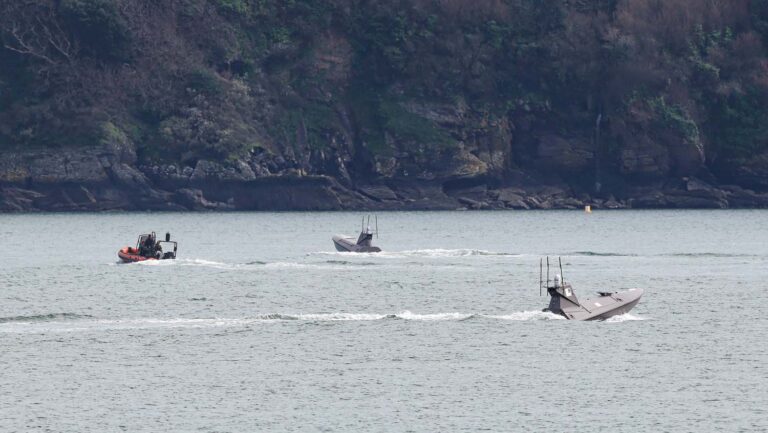
The United States, the United Kingdom and Australia have concluded Maritime Big Play, a naval exercise the Royal Navy described as the three countries’ largest demonstration to date of uncrewed and autonomous technologies in support of AUKUS Pillar II.
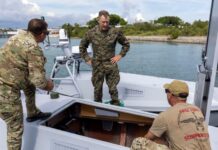
Conducted off San Diego, the exercise tested autonomous systems in maritime operations, including tracking underwater threats and sharing data across platforms. More than 40 technologies from the three AUKUS partners were showcased, according to the Royal Navy, spanning crewed, uncrewed and “multi-domain autonomous” systems.
Crewed and uncrewed systems, working together
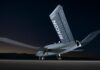
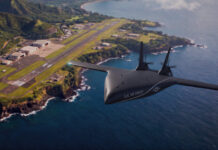
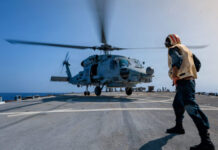
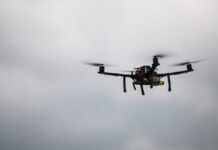
The UK led the anti-submarine warfare component, using a combination of uncrewed surface vessels, underwater gliders, drones and subsea vehicles. The missions focused on how crewed and autonomous platforms could work together on surveillance and tracking tasks.
The US Navy described the exercise’s objective as achieving milestones in integrating mature robotics and autonomous systems into coalition maritime operations. The specific number and types of uncrewed platforms used were not disclosed.
For Vice Adm. Paul Beattie, the Royal Navy’s Second Sea Lord, the exercise was about more than displaying new technology. It demonstrated, he said, that the three countries’ forces can combine assets and share data to respond collectively to future threats.
AUKUS: from submarines to autonomous capabilities
Established in 2021, AUKUS has two major strands. Pillar I is intended to provide Australia with Virginia-class nuclear-powered submarines beginning in 2032. Pillar II focuses on jointly developing and fielding advanced military capabilities.
Maritime Big Play emphasized the second strand, testing how autonomous systems can be integrated into multinational operations. The exercise comes as European countries are also seeking to expand maritime surveillance, with priorities that vary across the region: monitoring Russian activity and underwater threats in the north, and controlling sea routes and intercepting migrant vessels in the south.
Countries are increasingly pairing uncrewed aircraft with crewed patrol vessels, said Bryan Clark, director of the Hudson Institute’s Center for Defense Concepts and Technologies. In the north, some are acquiring anti-submarine patrol aircraft such as the P-8A Poseidon or Atlantique alongside uncrewed platforms such as the MQ-9B SkyGuardian. In the south, the emphasis is more often on aerial surveillance and ships able to intercept vessels.
Three new undersea sensor payloads in development
At the close of the exercise, the UK Ministry of Defence announced that Britain would lead development of three advanced payloads for uncrewed underwater systems. The ministry said the payloads are expected to become available to the UK, Australia and the United States in 2027.
The package will include a synthetic aperture sonar, a deployable anti-submarine warfare sensor and a deployable non-kinetic effector. The systems are intended to conduct surveillance, collect underwater information and deploy sensors capable of tracking and identifying underwater threats.
The announcement highlights a growing AUKUS priority: combining autonomous platforms with distributed sensors and rapid information-sharing. In a contested maritime environment, these capabilities could help forces detect threats earlier and coordinate responses without relying exclusively on crewed ships and aircraft.