















California-based startup Biosphere has received $21 million from the Pentagon to build a mid-sized biomanufacturing facility, where genetically engineered microorganisms will produce chemicals for defense applications.
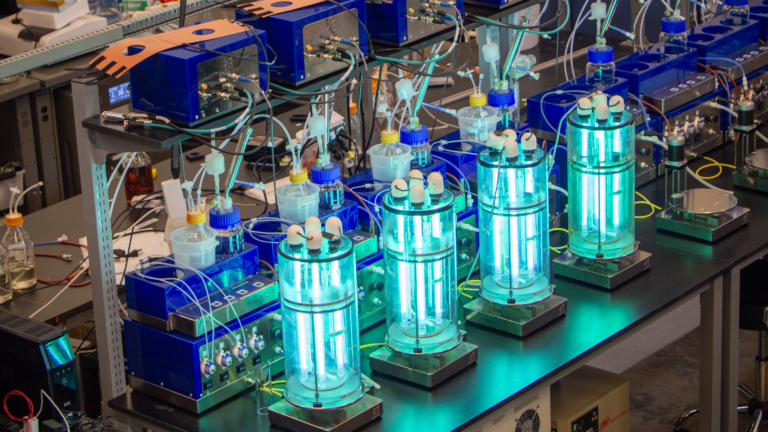
The 20,000-liter plant is scheduled to be commissioned in the fourth quarter of 2027. Company CEO Brian Heligman said it is projected to produce about 100 tons of chemicals annually—a modest output compared with a petrochemical plant, but ten times the size of the 1,000-liter systems currently used in military laboratories to produce experimental batches.
Microorganisms turned into production lines
Biomanufacturing uses genetically engineered microorganisms to make specific substances. The process resembles fermentation in a brewery, but on a much more complex scale: microbes are cultivated in tanks and, under controlled conditions, produce the desired compound.
The technology can make substances that are difficult to produce through conventional chemistry, or manufacture some materials with less energy use and pollution. It also requires strict environmental controls. Biosphere, for example, uses ultraviolet light to sterilize miles of piping and prevent unwanted microorganisms from growing.
From landing surfaces to energetic materials
Potential products include a “bio-cement” mixture designed to turn loose sand into solid helicopter landing surfaces, and polymer-bonded explosives used in weapons such as the Hellfire missile.
The company has not disclosed which chemicals the new facility will actually produce. Heligman said, however, that Biosphere has held detailed discussions with government officials about two or three specialty chemicals considered a strong fit for the plant and for stated government priorities.
For defense customers, a facility of this size could produce useful quantities for munitions and other military programs without the expense and infrastructure of a bulk-manufacturing plant. Demand for specialty military chemicals can fluctuate, while civilian markets may not justify the investment needed to produce them in the United States.
A new link in the supply-chain strategy
The $21 million award follows an earlier Pentagon contract worth up to $9 million to develop a portable, electrically powered biomanufacturing system that can produce protein using water and air.
Both projects are part of the Defense Department’s effort to reduce reliance on foreign suppliers and restore US production of essential materials and components. While some of that effort focuses on rebuilding traditional industrial capacity, the Pentagon is also exploring biomanufacturing for products such as explosives, chemical ingredients and anti-corrosion coatings.
Biosphere’s plant is intended as an intermediate step: large enough to support defense-relevant production, but smaller and less costly than a petrochemical facility. The company says the project could demonstrate whether the economic advantages of biological production can extend to much larger industrial facilities.