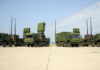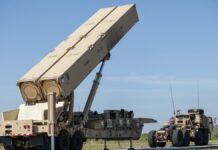
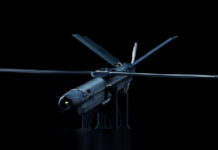







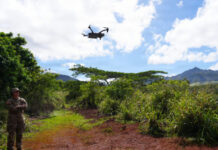

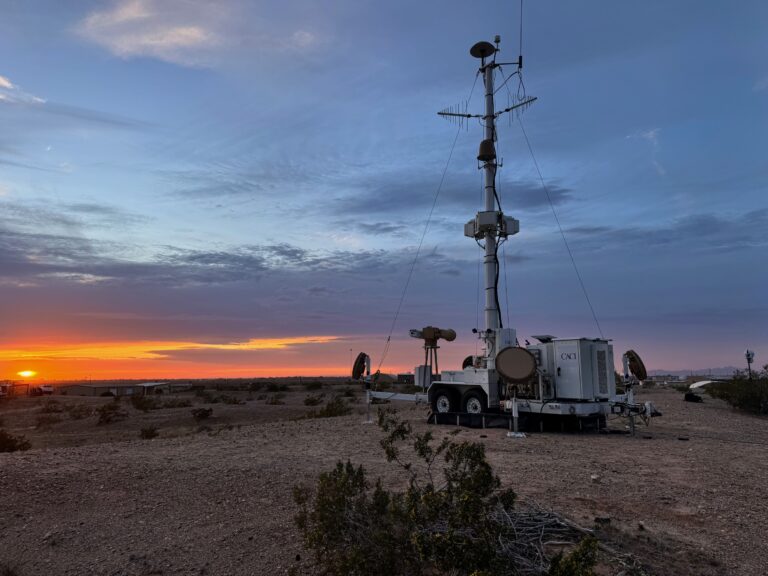
A drone approaching a border, military base or power plant is not necessarily a threat. The problem is that late detection leaves security teams little time to tell the difference. CACI International’s SkyValor counter-drone system puts the emphasis on early warning, giving operators more time to track an aircraft, assess where it is headed and decide whether intervention is necessary.
A detection range of up to 75 kilometers changes the decision window
SkyValor is designed to detect Group 1–3 drones at distances of up to 75 kilometers. In the company’s reference scenario, that can give operators 18 to 20 minutes to assess the situation and respond. Maximum detection range does not guarantee a fixed response window: the time available depends on where the drone is first detected, how fast it is traveling and which direction it is headed.
At a border, those minutes can mean spotting a drone before a possible crossing rather than reacting once it is already across. At a critical site, they can give security teams time to determine whether the aircraft is actually heading toward the protected area and coordinate a response proportionate to the risk.
Multiple sensors give operators a clearer picture
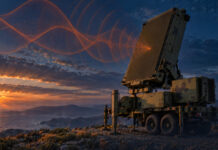
The system combines radio-frequency sensing, radar, cellular-link detection, and electro-optical and infrared sensors. Using several types of sensors reduces reliance on any one method, particularly when drones fly low or use different communications links.
SkyValor automates data collection, detection, tracking and reporting. AI-assisted filtering helps sort the information before it reaches operators. The purpose of that automation is to reduce what teams have to sift through, not to replace human judgment about whether to intervene.
Not every drone needs to be brought down
The architecture includes electronic warfare options and can integrate physical interceptors. Non-kinetic responses may offer an alternative when bringing down a drone would create additional risks for people or facilities nearby. They are not risk-free, however, and are not suitable for every situation.
Earlier warning makes a graduated response possible. Operators can keep monitoring, alert other teams or intervene if the situation warrants it and the applicable rules allow it. Physical interceptors can then be reserved for cases in which other options are unsuitable.
Software can change without replacing the hardware
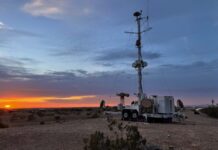
Some SkyValor functions are software-defined, allowing the system to be updated without replacing equipment. Trials at Yuma and along the southern U.S. border combined controlled tests with less predictable encounters involving drones that appeared suddenly at close range, flew near the ground or used different communications links. In a separate demonstration, a change in a drone’s signal was followed by a system update in about 30 minutes. The episode illustrates how quickly an update can be made in one case, not a guaranteed turnaround in every scenario.
SkyValor builds on more than two decades of CACI counter-drone work and experience from over 300 systems fielded across the company’s portfolio. SkyValor itself went from concept to deployment in 12 months and has entered full-rate production. For teams protecting borders, military facilities, power plants or data centers, however, its value lies primarily in the time it buys to decide whether, when and how to intervene.