









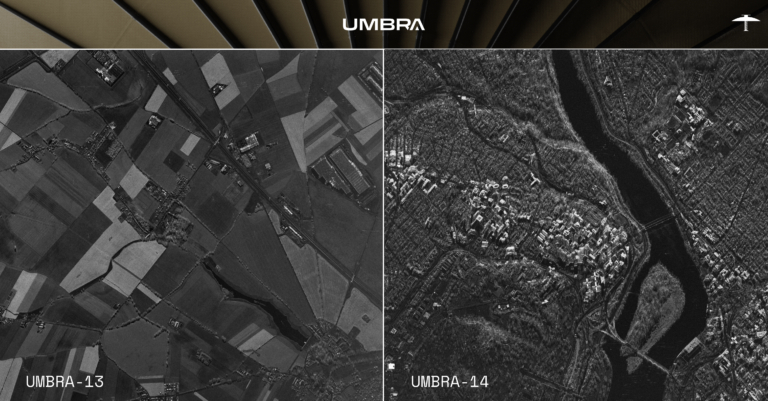
The global Earth observation sector is undergoing a profound paradigm shift. Driven by escalating geopolitical friction and an insatiable appetite for high-precision space intelligence, synthetic aperture radar (SAR) technology is making a decisive generational leap, delivering levels of spatial resolution once deemed unimaginable outside top-tier classified programs.
Piercing Through the Clouds and the Dark
Unlike legacy optical satellites, whose utility is severely degraded by persistent cloud cover or nighttime conditions, SAR sensors provide round-the-clock, all-weather visibility. This persistent surveillance capability has turned radar imaging into a paramount strategic asset, particularly for European nations currently racing to establish sovereign, cloud-resilient space capabilities.
The Small-Sat Revolution: Heavyweight Performance in a Compact Frame
The frontier of miniaturization and raw power has advanced significantly with the unveiling of the California-developed Freetail satellite platform. Weighing in at a mere 200 kilograms, this compact spacecraft is designed to match the imaging prowess of far larger, legacy orbital assets, pushing ground resolution down to an unprecedented five centimeters. Slated for its maiden orbital deployment in 2028, the Freetail 5 model is explicitly tailored to deliver an asymmetric operational edge to the United States and its allied defense and intelligence agencies.
By quadrupling radar transmission power, doubling antenna surface area, and unlocking hourly global revisit rates, the architecture aims to deliver persistent tactical awareness over vast operational theaters.
Orbit-Edge Artificial Intelligence: Slashing Decision Cycles
Simultaneously, Finland’s radar pioneer ICEYE is rolling out its Gen5 platform, engineered to deliver imagery down to 11 centimeters for sovereign defense clients and 16 centimeters for the commercial domain, with operational rollout slated for the coming year.
Beyond sharper optics, the true technological disruption lies in orbit-edge computation. By embedding onboard artificial intelligence processors directly into the spacecraft, filtering, automated target recognition, and tactical tipping-and-cueing are executed before data ever touches a ground station. From tracking maritime vessel movements across vast oceans to directing disaster relief during sudden flash floods, compressing the timeline from detection to actionable decision is rapidly becoming the defining battleground of modern space intelligence.