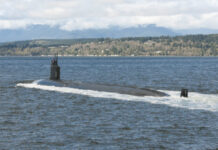








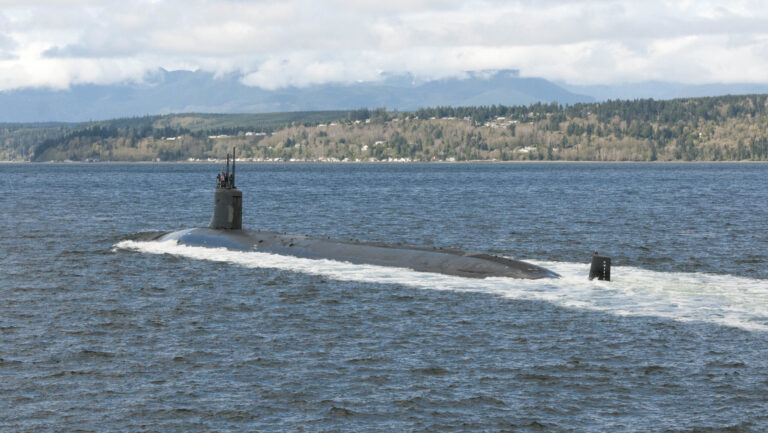
In a strategic push to maintain undersea superiority, US defense capabilities are being rapidly bolstered to extend the operational lifespan of the nation’s nuclear submarine fleet. Current efforts are now expanding beyond the aging Los Angeles and Ohio classes to prepare for comprehensive maintenance operations on the formidable Seawolf-class submarines.
Securing the Seawolf Class
Following the acquisition of a significant contract to overhaul emergency diesel generators on older vessels, the industry is pivoting toward the maintenance requirements of the Seawolf class. Although these submarines have been in service since 1997, intensive discussions regarding their technical overhauls are underway. It is anticipated that these maintenance cycles will commence once the complex refurbishments of the Los Angeles and Ohio classes, projected to conclude late in this decade, are finalized.
Mitigating the 2029 Submarine Deficit
The strategic decision to invest heavily in extending the service life of existing vessels—in some cases by up to 14 years—addresses a looming logistical crisis. The US Navy faces the critical challenge of a potential submarine deficit post-2029. This capacity gap stems from anticipated delays in the construction of the next-generation Columbia and Virginia classes, compounded by the decommissioning of aging hulls. Currently, public shipyards tasked with maintaining these complex nuclear assets are struggling to adhere to schedules, completing only a small fraction of maintenance periods on time.
The ‘Pit Stop’ Philosophy
To combat persistent bottlenecks, innovative maintenance methodologies are being deployed. Inspired by the efficiency seen in Formula 1 and NASCAR, the „Pit Stop” maintenance program is designed to drastically shorten repair timelines. This approach leverages pre-staged original equipment parts, standardized procedures, and robotic welding platforms, proving that rapid maintenance is essential for ensuring maximum fleet availability.
Scaling for Global Readiness
This modernization drive extends beyond repairs to industrial capacity. Plans were recently announced to double the production capacity for naval propulsion systems through the expansion of a specialized facility. This expansion is backed by a substantial investment, largely funded through international allied contributions, underscoring the strategic necessity of global collaboration to ensure operationally ready submarine fleets amid a landscape of accelerating modernization by rival naval powers.