











Washington is currently adapting its global defense posture, implementing tactical shifts aimed at both securing critical infrastructure in key regions and reviewing the American military presence on the European continent. These maneuvers reflect a evolving vision regarding national defense priorities.
The Digital Frontline: Cybersecurity becomes a Pacific priority
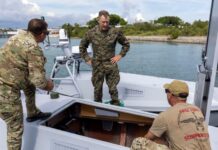
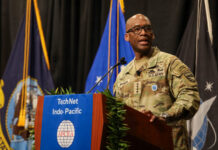
In an effort to bolster the technical defenses of the U.S. Pacific Command, a unit of cyber operators has been transferred from Maryland to Hawaii. This initiative, known as „Cyber Defense Forces Pacific,” aims to ensure enhanced protection for U.S. military networks within this theater of operations.
The new teams, drawn from the Department of Defense’s specialized cyber structures and operating under U.S. Cyber Command, have been integrated directly into the regional command. Their mission is clear: to build a robust defensive perspective capable of protecting data streams and responding promptly to any type of incident. While specific threats have not been disclosed, the region is being closely monitored, given the intense technological competition with adversaries capable of targeting critical infrastructure to disrupt Washington’s ability to respond to a crisis. In recent years, funding efforts for cyber defense in the Pacific have consistently increased to meet these risks.
Europe at a crossroads: The risks and costs of potential troop reductions
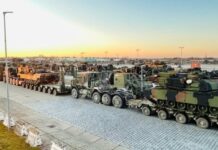
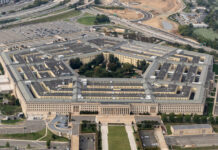
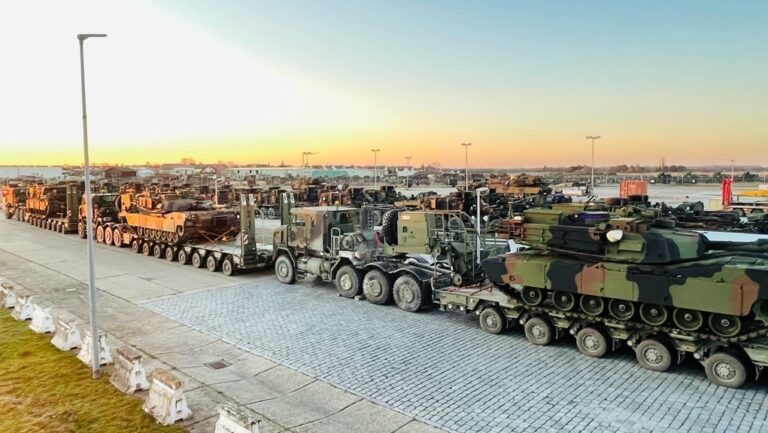
Parallel to strengthening its position in the Pacific, the Pentagon is in the final stages of a six-month review of the U.S. military footprint overseas, a process that could culminate in significant cuts to the contingent based in Europe. Such a strategic shift raises major questions, both from the perspective of collective security and fiscal efficiency.
While the American presence in Europe has been steady, particularly as a response to regional instability, a massive withdrawal could send a signal of weakness to Moscow, risking the destabilization of a region vital to U.S. economic and security interests. Beyond strategic risks, there is acute fiscal concern. Relocating tens of thousands of troops and their dependents back to the United States would entail enormous infrastructure costs—estimated in the billions of dollars—and abandoning European facilities would mean losing access to bases that enable much cheaper and faster power projection.
As Washington analyzes ways to balance resources between theaters of operation, the looming decisions will need to carefully weigh immediate financial costs against the long-term impact on global stability.


