






In an era where high-intensity conflicts are returning to the global agenda and hybrid threats are becoming the new norm in naval theaters of operation, a paradigm shift has become inevitable. Traditional naval architecture is now being complemented by radical concepts designed to manage massive flows of information and project power in fully automated ways.
SCX 26: The Operational Hub of the Future Fleet
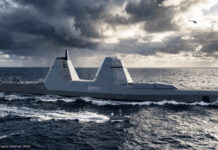
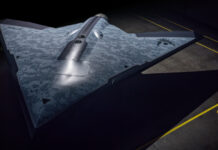
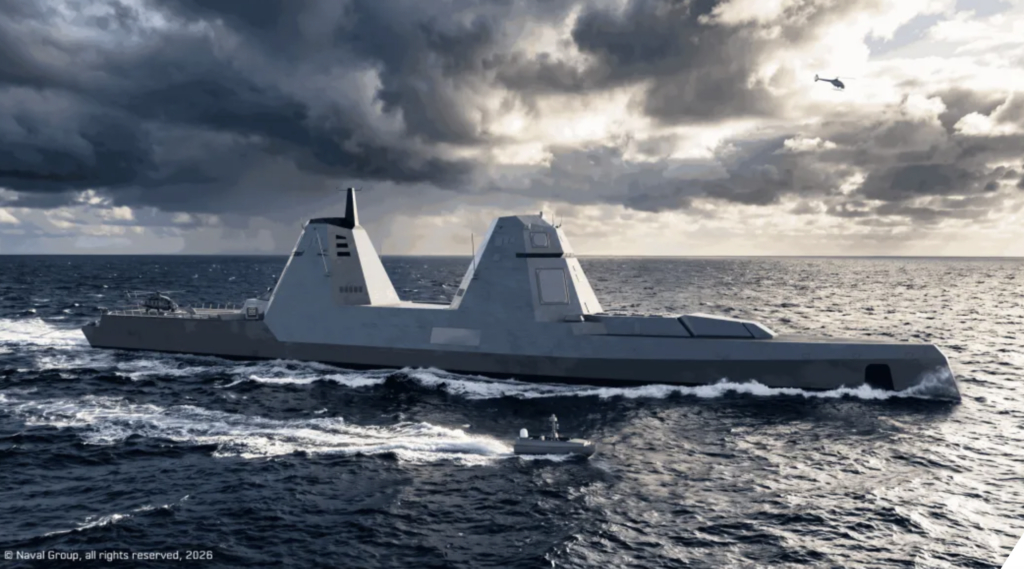
At the center of this vision is the SCX 26, an 8,000-ton drone carrier concept currently in the blueprint stage. This is not a classic carrier, but rather an „operational hub” destined for a hybrid fleet. Its primary role is to launch and coordinate a vast array of drones—from aerial and surface drones to underwater counterparts—capable of executing critical missions, ranging from strategic intelligence gathering to anti-submarine warfare.
Naval Architecture for High-Intensity Conflict
Measuring 170 meters in length with a crew of 150, the ship has been designed to meet emerging operational requirements and the lessons learned from recent conflicts. Technically, the vessel promises remarkable performance, boasting a maximum speed of 30 knots and a range exceeding 8,000 nautical miles. Its firepower is designed to be overwhelming, based on an arsenal that includes over 100 vertical launching system silos of various classes, complemented by an electromagnetic gun capable of rapid fire, providing a state-of-the-art defensive and offensive capability.
UCUV: The New Era of Autonomous Submersibles
Simultaneous with the development of this carrier, efforts are focusing on another vital component of future warfare: the Unmanned Combat Underwater Vehicle (UCUV). This project has advanced significantly in recent years, developed to act as an autonomous force in the depths. The key innovation lies in the „onboard brain” algorithm—a controlled decision-making autonomy technology that allows systems to coordinate complex mission parameters, executing challenging operations within human-defined boundaries. The first at-sea tests are scheduled for 2028, marking a decisive step in validating an operational solution for new areas of conflict.