





In a strategic shift aimed at accelerating the integration of technological innovations for troops, the unit tasked with equipping soldiers within 180 days or less is fundamentally changing its contracting approach. This pivot focuses on significantly increasing the use of „Other Transaction Authority” (OTA) contracts to enable a broader range of vendors to reach the prototyping stage.
Broadening the Industrial Base: From Single Contracts to a Network of Partners
Previously, the global tactical acquisition directorate, under the Army’s innovation and technology program (PIT), awarded a single OTA contract following its accelerated capability events (ACEs), where companies showcased solutions with a technology readiness level of six or higher. Currently, the Army is moving to award five to six such contracts as part of a conscious effort to expand and diversify the industrial vendor base, providing a genuine opportunity for small and medium-sized enterprises.
This contractual change is designed to create a more robust ecosystem, sending a clear message to vendors that success in an ACE competition can pave the way toward concrete partnerships.
Operational Assessments: Testing Technology in Real Mission Scenarios
Beyond simply increasing the number of contracts, the process has been optimized to provide deeper feedback from direct beneficiaries: soldiers and senior commanders. The new OTA contracts fund vendor participation in 45-day operational assessments.
These tests inject an essential „operational flavor,” vetting new capabilities in actual mission environments. The goal is clear: systems returning for evaluation must be significantly improved compared to their initial demonstrations, ensuring a constant evolution of the technical solutions delivered.
Incentivizing Innovation: Competitive Advantages in a Demanding Environment
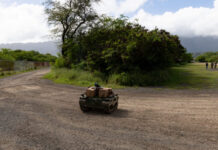
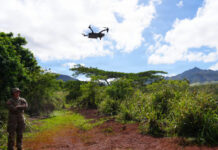
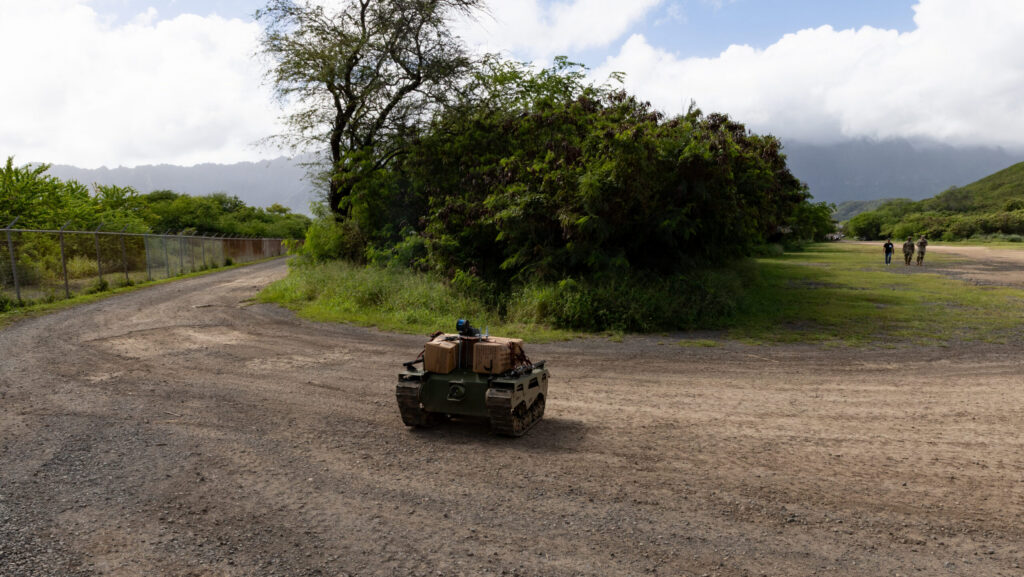
The new strategy has already begun implementation, with a recent event in Hawaii, conducted in coordination with the Indo-Pacific Command, serving as the first evidence of this transition. The exercise aimed to identify autonomous ground vehicles and command-and-control systems capable of supporting sustainment and casualty evacuation missions in logistically challenging environments.
Awarding a higher number of OTA contracts also acts as a financial and prestige incentive for vendors, offsetting the high costs they incur when mobilizing equipment across various regions. Furthermore, flexibility is the key to success: technologies that do not prove suitable for one theater of operations, such as the Pacific jungle, may be successfully adapted and re-evaluated in other regions, such as Europe, thereby ensuring continuity of collaboration and sustained access to innovation.