







Officials point to fewer flight hours and insufficient practice as growing concerns. The service says it plans to overhaul maintenance, pilot training and the assignment of aviation personnel.
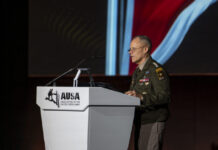
“We have to change something.” That was the stark message from Army Undersecretary Michael Obadal as the service confronts declining aircraft readiness and mounting concern over flight safety.
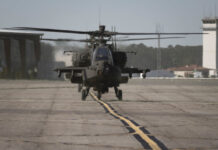
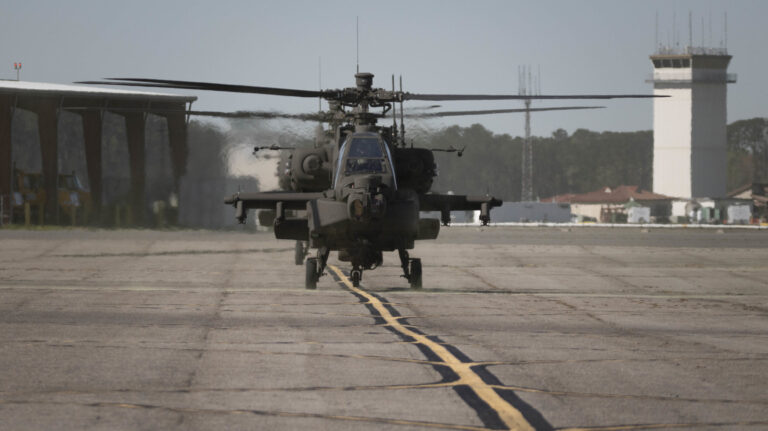
Obadal said the Army’s manned aircraft fleet typically has a fully mission capable, or FMC, rate below 60%—well short of the service’s 75% goal. He also said the accident rate had risen sharply, linking the trend to too little flight time for pilots and crews to maintain proficiency.
“We actually had more accidents this year, and we flew 150,000 hours less than we did three years ago. So more accidents, less hours, less readiness,” said Obadal, a retired Army aviator. He added that 82% of Class A accidents involve human factors and warned that the service could not afford to ignore the problem.
Safety data show a more complicated picture
The available statistics do not point in a single direction. The Army’s Class A mishap rate improved in fiscal year 2025, but its overall Class A–C flight mishap rate was higher than in any of the previous 10 years, according to an Army newsletter published in January.
The newsletter also noted that Class C mishaps had increased in each of the past three years, even as flying hours declined. Obadal did not identify the types or severity of accidents over the past year, or provide specific figures to support his description of the increase as “exponential.”
Aircraft availability continues to fall short
The Army’s fiscal 2025 FMC figures are not yet available. A Government Accountability Office report published in March found that the service had failed to meet its FMC goals in fiscal 2024, though it did not state the exact rate. The Army had previously published those figures in an online newsletter that is no longer available.
Obadal said the year-over-year trend in FMC rates is downward and argued that the service needs to rethink how it sustains its aircraft.
Army plans a new approach to maintenance
To improve readiness, the Army is turning to its Weapons 360 platform, which provides real-time data on the readiness of major weapons systems. The system can help identify bottlenecks down to the part and supplier level.
Obadal described the current approach to sustaining major equipment as fragmented, involving roughly six organizations. His plan is to bring them together under a unified Army sustainment model.
Training and personnel assignments targeted for change
The Army also plans to “completely change” its aviation training base. One effort, Flight School Next, is intended to acquire a new helicopter and develop a curriculum focused on the basic stick-and-rudder skills required of helicopter pilots.
Obadal also said the service would move commissioned and warrant officers back into aviation formations and out of staff positions. The stated aim is to put aviation personnel back in the units where they can contribute directly to operations.
“Our aviation is fundamental, and we have to fix it,” Obadal said.