








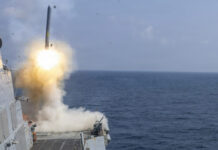





Following months of intense operations, the United States Navy is confronting an unprecedented logistical challenge. Ships returning from missions that frequently exceeded the 300-day mark at sea require major maintenance, placing immense strain on shipyard capacities and forcing military leaders to make difficult trade-offs between repairs and modernization.
A Long Recovery, Not a Quick Fix
Navy leadership warns that the process of bringing the fleet back to optimal operational capacity will be a years-long endeavor. Destroyers, which have borne the brunt of recent operations, are entering a maintenance cycle that will heavily tax available financial and industrial resources.
“There is no workaround on that,” a senior Navy official stated. “This is a years-long recovery, involving hundreds of availabilities and hundreds of millions of dollars in investment.”
The Dilemma Between Maintenance and Modernization
To manage the influx of ships entering the yards, the Navy is forced to prioritize interventions. This creates a strategic dilemma: either reduce maintenance packages to the bare minimum, deferring essential modernization projects needed to keep technological capabilities up to date, or extend execution timelines, risking reduced ship availability in the medium term.
The Vice Chief of Naval Operations emphasized that the industrial base cannot simultaneously absorb such a high volume of work and modernization requirements, which will force the Navy to make painful choices regarding priorities.
“Famine and Feast”: Challenges for the Industrial Base
The private ship repair sector, which primarily handles the surface fleet, is preparing for a surge of work that will test its workforce and logistical planning. Experts warn that the transition from periods of low activity to intense, concentrated demand will inevitably create bottlenecks.
There is a risk that, due to limited capacity, some ships might be forced back to sea before receiving all necessary repairs, which could exacerbate technical problems in the future. The alternative—keeping ships in port until maintenance is fully completed—would temporarily reduce the number of platforms available for operations.
This maintenance crisis underscores the fragility of a naval force constantly pushed beyond its designed limits, highlighting the need for an operating strategy that better balances immediate combat demands with the long-term sustainability of the fleet.