










While NATO does not anticipate a Russian naval buildup in the Mediterranean following a recent Ukrainian drone strike near Libya, the operation has set off alarm bells across the alliance. The core concern is stark: the risk of pulling the North African nation deeper into the Russia-Ukraine war and bringing the conflict dangerously close to NATO’s southern flank.
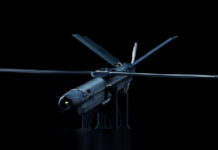
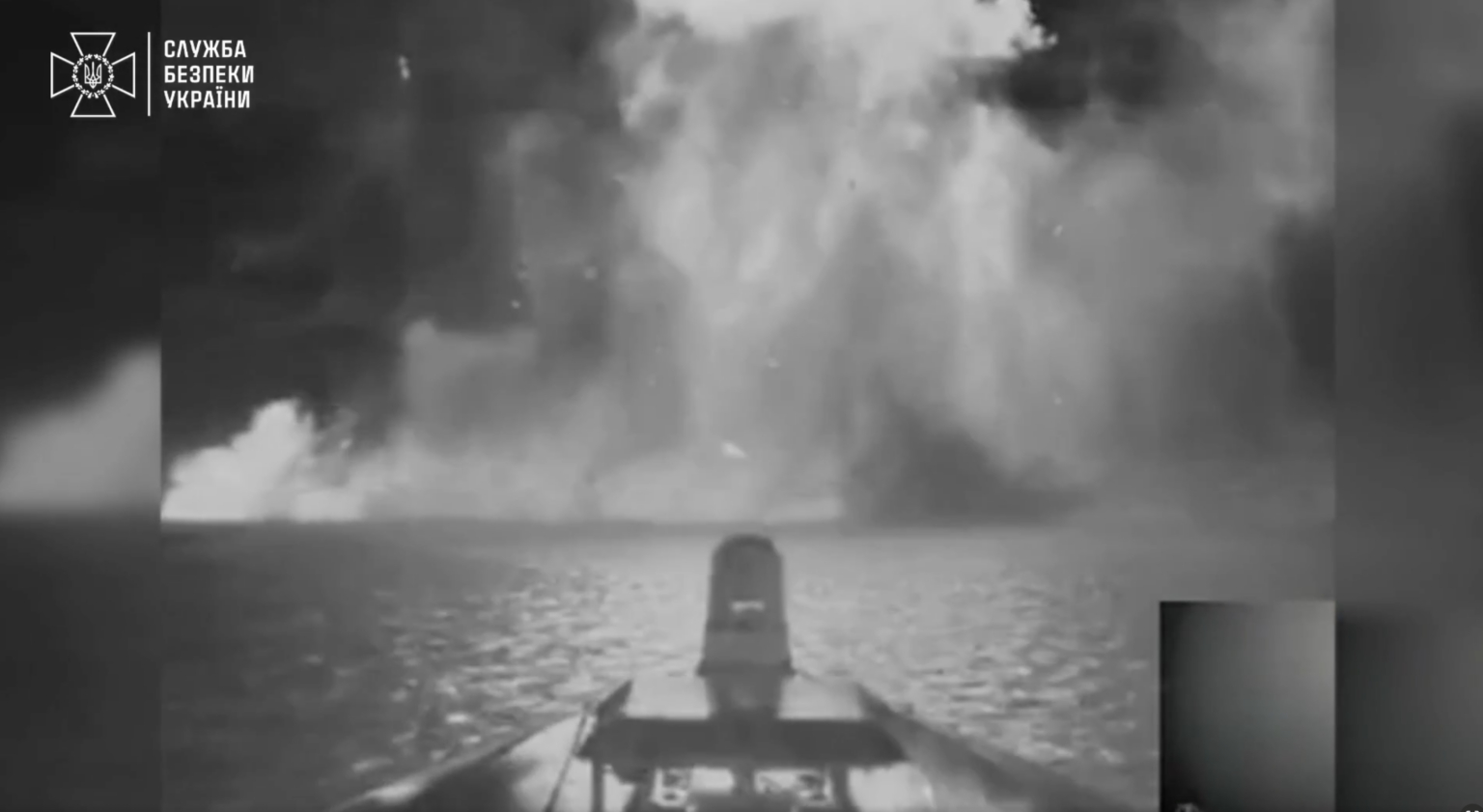
On Sunday, the Security Service of Ukraine (SBU) deployed unmanned surface vessels to strike two Russian ships near the Libyan port of Benghazi, sinking a warship and damaging a cargo vessel. Despite speculation over a broader naval response from Moscow, allied officials do not expect a surge or redeployment of Russian assets in the Mediterranean, largely because Russia’s surface fleet is struggling with severe war-generation constraints.
Instead, NATO is far more concerned about the conflict spilling into new theaters and threatening commercial shipping—a pattern already witnessed in the Black Sea. For now, the naval balance heavily favors the alliance: on any given day, NATO surface ships outnumber Russian vessels by an average of 3-to-1, a margin that widens to roughly 5- or 6-to-1 in the Mediterranean.
The Launch Mystery and a Deeply Divided Libya
Questions remain over exactly how Kyiv pulled off the strike. Libyan officials have previously indicated that Ukrainian drone specialists operated out of military sites in western Libya, primarily an air base in Misrata alongside facilities in Tripoli and Zawiya. Officials briefed on Sunday’s strike also stated that a Russian corvette was hit at the Benghazi Naval Base, with at least four drones intercepted and two striking the ship.
The SBU, however, maintains that seven naval drones were deployed into the water from a “mothership” near the target, without identifying the vessel or clarifying whether the mission originated from Libyan soil.
The incident underscores the deep fractures dividing Libya since the 2011 ouster of Muammar Gaddafi. Western Libya, centered on Tripoli, is governed by the UN-recognized Government of National Unity (GNU) under Prime Minister Abdul Hamid Dbeibeh. Eastern Libya is controlled by rival authorities aligned with military commander Khalifa Haftar and his Libyan National Army (LNA)—a faction closely tied to Moscow that has allowed Russian warships to use the port of Tobruk for resupply and refueling.
A New Theater Just Kilometers from Italy
For European security analysts, the strategic implications are severe. Arturo Varvelli, head of the Rome office at the European Council on Foreign Relations, notes that while the launch origin remains unverified, the ripple effects could be profound. “The United Nations’ mission has already called for an independent investigation, warning against the risk of dragging Libya into foreign conflicts,” Varvelli said. “This is precisely the greatest strategic danger: that Libya could turn into yet another theater of the war between Russia and Ukraine, just a few hundred kilometers from Italy.”
Moscow’s warning was swift. Russian Ambassador to Libya Aydar Aganin stated that the attack “will not go unanswered,” while eastern Libyan authorities declared they reserve the right to respond by all necessary means.
Even so, a direct military strike on western Libya appears unlikely in the short term. Any attack by Russia or Haftar’s forces on Misrata would carry the high risk of hitting foreign military personnel: the facility is reportedly shared by Turkish and Italian troops (operating under Italy’s MIASIT mission since 2018), U.S. Africa Command (AFRICOM), and a British intelligence center. Consequently, analysts view asymmetric measures or direct retaliation against Kyiv as far more probable.
Fears of a Renewed Civil War and Diplomatic Pushback
Former Italian Chief of Defense General Staff Vincenzo Camporini warned that if Moscow retaliates by encouraging LNA forces to move against western Libya, it could reignite the country’s civil war—this time with much deeper direct involvement from both Russia and Turkey.
Amid the rising tension, both Tripoli and Kyiv moved to contain the fallout. The GNU’s Ministry of Foreign Affairs asserted that Libyan territory would not serve as a staging ground for attacks, pointing to the Benghazi strike as proof of “the danger of hosting foreign forces that operate outside the authority of the state.” Meanwhile, Ukrainian Foreign Minister Andrii Sybiha rejected claims that Kyiv is widening the conflict, stating that Ukraine is neither “dragging” anyone into the war nor “transferring” it elsewhere.