












NATO has officially begun implementing its multinational Starlift space project, an initiative designed to secure reliable military satellite launch services for participating nations.
According to an alliance statement, 10 NATO members—Belgium, Canada, Finland, Germany, Italy, the Netherlands, Norway, Sweden, Turkey, and the United Kingdom—alongside South Korea, have committed to funding the program through the NATO Support and Procurement Agency (NSPA). The agreement was reached at the end of October on the sidelines of a meeting of NATO’s National Armaments Directors.
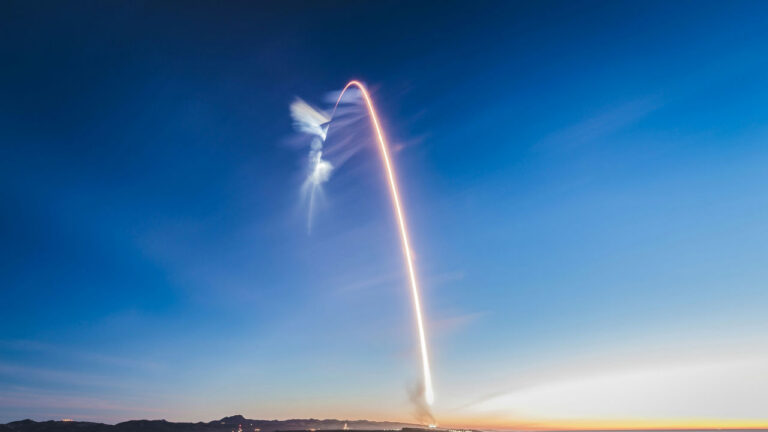
First announced in 2024, Starlift aims to help participating countries partner with commercial launch providers and spaceports to make space access more resilient, responsive, and cost-effective. Specifically, the initiative will support armed forces in securing launch slots on commercial rockets, operating from a network of spaceports across NATO territory and South Korea.
Notable Absences and the U.S. Role
The alliance did not disclose the program’s overall cost or individual national contributions. Notably, four of Starlift’s original participants—France, Hungary, Luxembourg, and the United States—were absent from the announcement.
While the statement offered no explanation for the omissions, a NATO official later clarified that the U.S. is participating as an associated member. “In this role, it contributes expertise and lessons learned from U.S. initiatives,” the official said. “Given U.S. leadership in the launch sector, this input helps inform STARLIFT’s development, including efforts to promote interoperability.” The official also noted that additional allies and partners are expected to join the effort in the future.
Responsive Operations and Expanding Infrastructure
Beyond securing commercial slots, Starlift encompasses a dedicated forum for developing and testing responsive space operations—such as urgent satellite launches—alongside a plan to refine launch logistics through experimentation.
In terms of infrastructure, Europe already has several launch sites available, including Norway’s Andøya Spaceport and the UK’s Spaceport Cornwall. Meanwhile, South Korea is studying the construction of a second domestic launch site to expand local capabilities and reduce reliance on foreign providers, according to Aviation Week.