It’s no secret that Boeing is facing challenges. Regulators are closely examining the commercial side of the business, which has also caught the attention of federal prosecutors. Additionally, fixed-price development contracts in the defense unit are causing cash flow issues, despite efforts to address the situation.
Boeing executives are looking towards futuristic air dominance technologies to improve the defense business. The company has invested heavily in new manufacturing facilities in St. Louis to support its fighter production, particularly as the legacy F/A-18 line approaches its end.
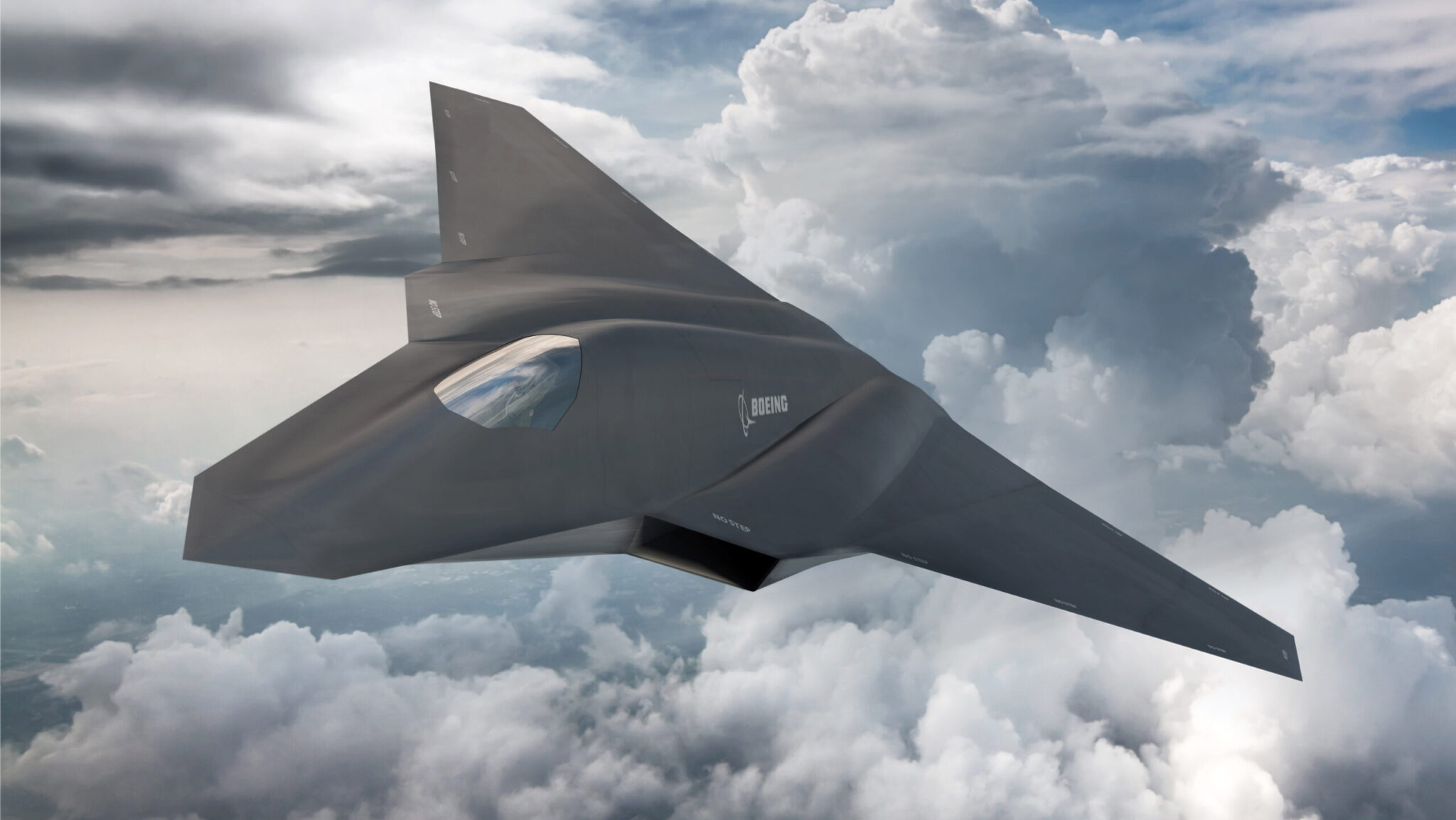
Recently, concerns have arisen regarding Boeing’s expansion plans, specifically related to the US Air Force’s potential questioning of the future of the planned Next Generation Air Dominance (NGAD) fighter program. This uncertainty could impact Boeing’s defense business significantly.
Air Force Secretary Frank Kendall mentioned the need to revamp the NGAD concept to be more cost-effective. The decision regarding the NGAD program is crucial for Boeing, especially considering competition from rivals like Lockheed Martin and Northrop Grumman.
Despite the uncertainties surrounding NGAD, Boeing has made substantial investments in new facilities and technologies in anticipation of future defense contracts. The outcome of the NGAD program will have a significant impact on Boeing’s defense business strategy and future production.
Boeing is navigating complex decisions and challenges in both its commercial and defense operations, and the outcome of the NGAD program remains a critical factor in shaping the company’s future direction in the defense industry.