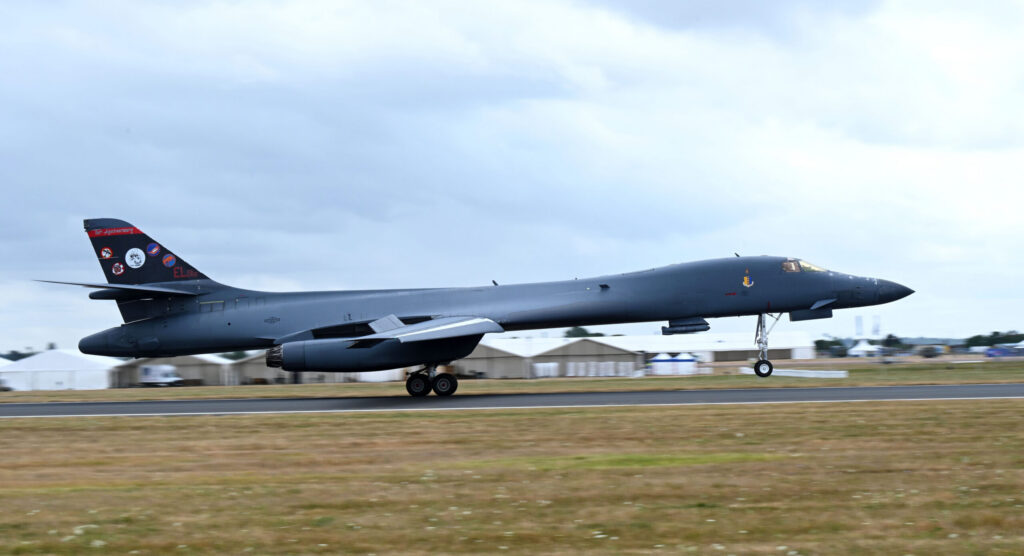
In a swift and decisive action, US forces have evacuated a squadron of B-1 Lancer long-range bombers from RAF Fairford in southern England. This abrupt relocation, prompted by intelligence assessments regarding potential asymmetric threats from Iran, has cast a spotlight on critical vulnerabilities within critical military installations and raised questions about the current capacity for force projection in the region.
Assessing the Operational Toll on Strike Capabilities
While the immediate operational impact remains limited due to the current tempo of missions against Iran, defense analysts warn that this withdrawal complicates long-term operational planning. Access to the British base served as a vital launch pad, significantly reducing flight paths and turnaround times for sustained operations in the Middle East.
Moving these bombers back to the continental United States offers the benefit of deep maintenance opportunities but introduces severe logistical challenges. The increased distance from the theater of operations necessitates longer transit times, heightened strain on airframes, and a heavier reliance on tanker aircraft, all of which directly undermine the efficiency and flexibility of future offensive capabilities.
Navigating a Shrinking Geographic Landscape
The loss of the convenience offered by RAF Fairford highlights a shrinking pool of viable basing options. The infrastructure required to support B-1 bombers is specialized and rare, and European host governments remain reluctant to permit launches from their territory due to political controversy.
Furthermore, the vulnerability of Gulf bases to Iranian drone and missile strikes has essentially removed them from the list of secure options. As planners look for alternatives, they are turning toward locations like the joint US-UK facility at Diego Garcia in the Indian Ocean, or relying on the mobility of carrier strike groups, which provide flexible alternatives should the need for escalation arise.
Rethinking Base Defense in the Age of Asymmetric Threats
The evacuation from Fairford underscores a hard reality for modern military planners: the concept of a secure „sanctuary” is rapidly fading. The threat posed by cheap, effective drone technology—capable of destroying high-value strategic assets on the ground—has necessitated an urgent shift in how installations are protected.
Experts argue that current defenses, designed largely for environmental protection, are woefully inadequate against modern threats. There is an imperative need to accelerate the deployment of both active and passive counter-drone measures at major military facilities. While the Pentagon is actively seeking to improve bureaucratic coordination and integrate new counter-drone technologies, analysts view the rapid relocation from Fairford not as a failure, but as evidence of a functioning risk-management system: intelligence identified an emerging threat, and command authorities acted swiftly to preserve vital combat power.