The United States is deploying a massive defensive architecture to reopen the world’s most vital energy artery, but experts warn: commercial shippers won’t be moved by promises alone, as risks to U.S. forces escalate.
In an ambitious bid to unlock the paralyzed maritime traffic in the Strait of Hormuz, the United States has officially launched „Project Freedom.” This large-scale defensive operation aims to secure safe transit for commercial vessels amidst a volatile climate of mines and drone strikes orchestrated by Iran. While the Pentagon promises an unprecedented „defensive umbrella,” the reality on the ground reflects a direct confrontation where U.S. forces have already engaged Iranian craft to repel cruise missile and drone attacks.
A Multi-Layered Umbrella: Technology vs. Terror
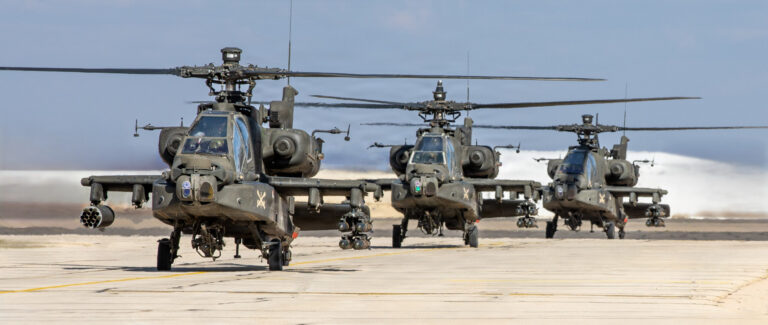
The American strategy eschews traditional individual escorts in favor of a monitored „safe path.” This corridor is guarded by an impressive force: ballistic missile defense-capable destroyers, over 100 aircraft (including F-35 and F-15 fighters, AH-64 Apache helicopters, and EA-18G Growler electronic warfare jets), and multi-domain unmanned platforms.
Supported by 15,000 service members, this defensive posture has already been tested. Iranian forces have launched multiple strikes against protected vessels, all of which were neutralized by U.S. assets. However, despite this „clinical application” of force, commercial traffic remains minimal as industry giants wait for sustained proof of safety before risking crews and billion-dollar cargoes.
The Insurance Hurdle and Shippers’ Hesitation
Analysts warn that „Project Freedom” faces a wall of skepticism. For sea captains and insurance companies, a single successful strike—even one that doesn’t sink a ship—can lead to massive financial losses and months of repairs. Without clear backing from insurers, the American corridor risks becoming an empty highway.
Furthermore, Iran has a vested interest in preventing the U.S. from crossing this „red line” unchallenged. The IRGC Navy is purpose-built for this type of asymmetric warfare, utilizing fast attack craft and naval mines. This places U.S. forces in a high-vulnerability zone, operating much closer to the Iranian coastline than in previous offshore embargoes.
The Hidden Cost: Fleet Attrition and the Indo-Pacific Shadow
Beyond the immediate risk of casualties, the prolonged operation in the Middle East carries a hidden price: the depletion of strategic readiness. Deployment extensions for carriers such as the USS Gerald R. Ford and USS Abraham Lincoln are causing cascading delays in maintenance schedules at major shipyards.
Experts point out that this concentration of force in the Strait of Hormuz leaves other critical theaters exposed. The absence of U.S. aircraft carriers in the Indo-Pacific for extended periods highlights the tough choices military leaders face, potentially undermining efforts to deter China and impacting overall combat readiness for years to come.