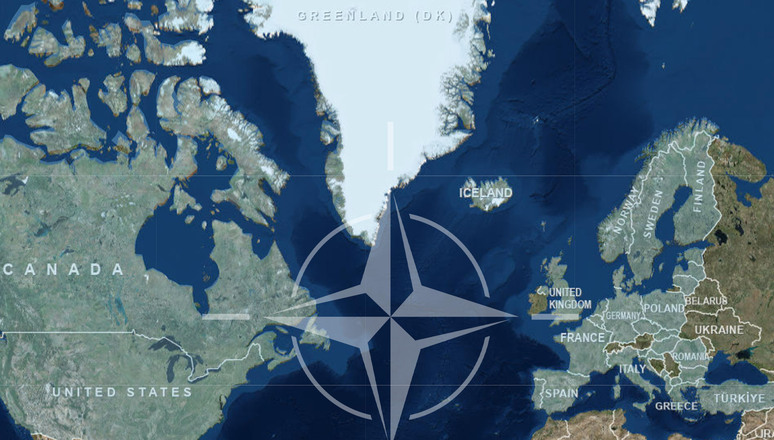
As leaders of NATO prepare to meet next week in Washington, DC, two key themes are expected to dominate discussions: Ukraine’s ability to defend against Russian aggression and the threat that Moscow poses to NATO member nations along its border.
For the Baltic countries, who have lived under Russian rule in the past, a nostalgic solution is in the works: a large-scale defensive line project involving around 600 planned bunkers and fighting positions in Estonia, Latvia, and Lithuania, unveiled in January with a budget of $65 million.
In early May, Gen. Martin Herem, then Estonia’s top military officer, outlined his vision for the bunker project, emphasizing its purpose, construction timeline, and dispelling misconceptions. He clarified that the goal was not to halt Russian forces at the border, as this could lead to strategic disadvantages. Instead, the plan is to influence the direction of any potential invasion, allowing for targeted strikes against Kremlin forces.
Herem stressed that the project focuses on creating defensive positions rather than a solid wall, cautioning against attempting to construct the entire bunker system immediately. He suggested building only the essential parts that cannot be completed with one month’s notice, with the rest set to be constructed swiftly if invasion indicators arise.
The construction timeline aligns with neighboring countries’ defensive efforts, such as Latvia and Poland’s initiatives along their borders with Russia and Belarus. The Baltic’s defensive preparations are part of a broader strategy to deter Russian aggression and ensure a collaborative response within NATO.
While Herem acknowledged the grim realities of potential conflict, he expressed confidence in Estonia’s preparedness, including guerrilla tactics if needed, while also emphasizing the importance of international support in the event of hostilities.