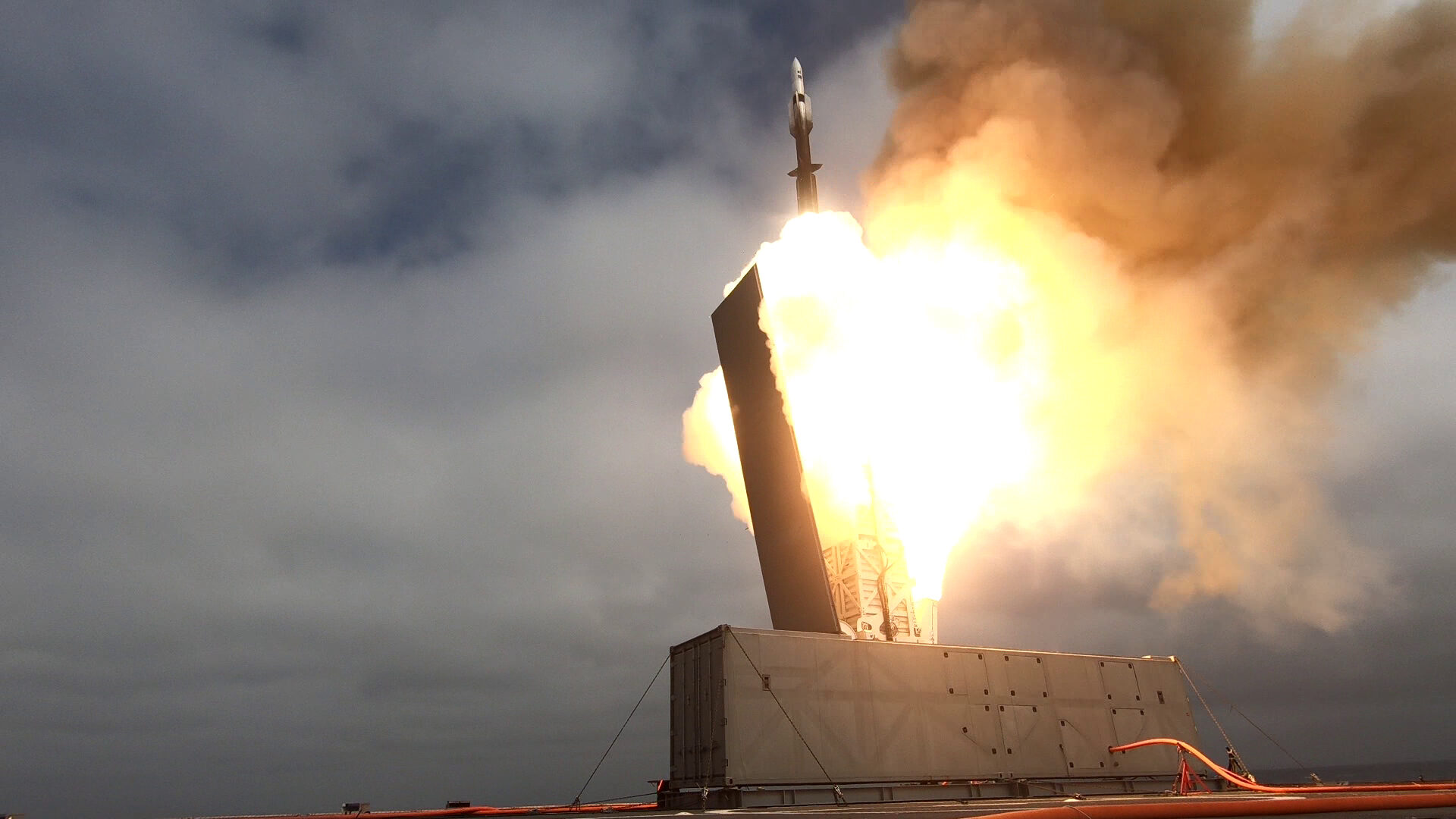
The new air-to-air capability of the Navy has the potential to serve as a roadmap for repurposing older systems In their op-ed, Mackenzie Eaglen and Cole Spiller from AEI make the case for why the Pentagon should not rush to retire old technologies in favor of new ones. They argue that the military should value existing capabilities while pursuing advancements for the future.
The Pentagon often prioritizes high-tech future capabilities at the expense of current capacity by sacrificing existing fleets and inventories for the promise of cutting-edge technology. While it is vital for the military to stay at the forefront of technological advancements, this approach frequently leads to a cycle of discarding outdated equipment to fund future innovations. For instance, the Air Force’s plans to phase out advanced F-22 stealth fighters in favor of the Next Generation Air Dominance (NGAD) fighter exemplifies this trend.
However, this continual pursuit of new technology overlooks the potential value of existing systems. An excellent example is the US Navy’s recent introduction of the AIM-174B missile, a modified version of the SM-6 missile designed for airborne launch. This capability significantly enhances the Navy’s fleet defense and ability to target high-value assets, countering China’s anti-carrier strategy.
By repurposing and updating older platforms like the F/A-18E/F Super Hornets to accommodate advanced missiles, the US Navy showcases the adaptability and relevance of legacy systems. This innovative approach extends the operational lifespan of existing aircraft, providing essential warfighting capabilities while new platforms like the F-35 and autonomous aircraft are being developed and deployed.
The versatility of this new capability presents challenges for potential adversaries and underscores the importance of multifunctional systems over unitaskers. Rather than solely investing in new technologies, the military should leverage legacy weapons by updating or repurposing them to meet present demands effectively.
In conclusion, the Pentagon can enhance operational readiness and bridge the gap between current capabilities and future advancements by creatively utilizing legacy systems. By maintaining a balance between old and new technologies, the military can remain operationally effective and prepared for competition and conflict.