



















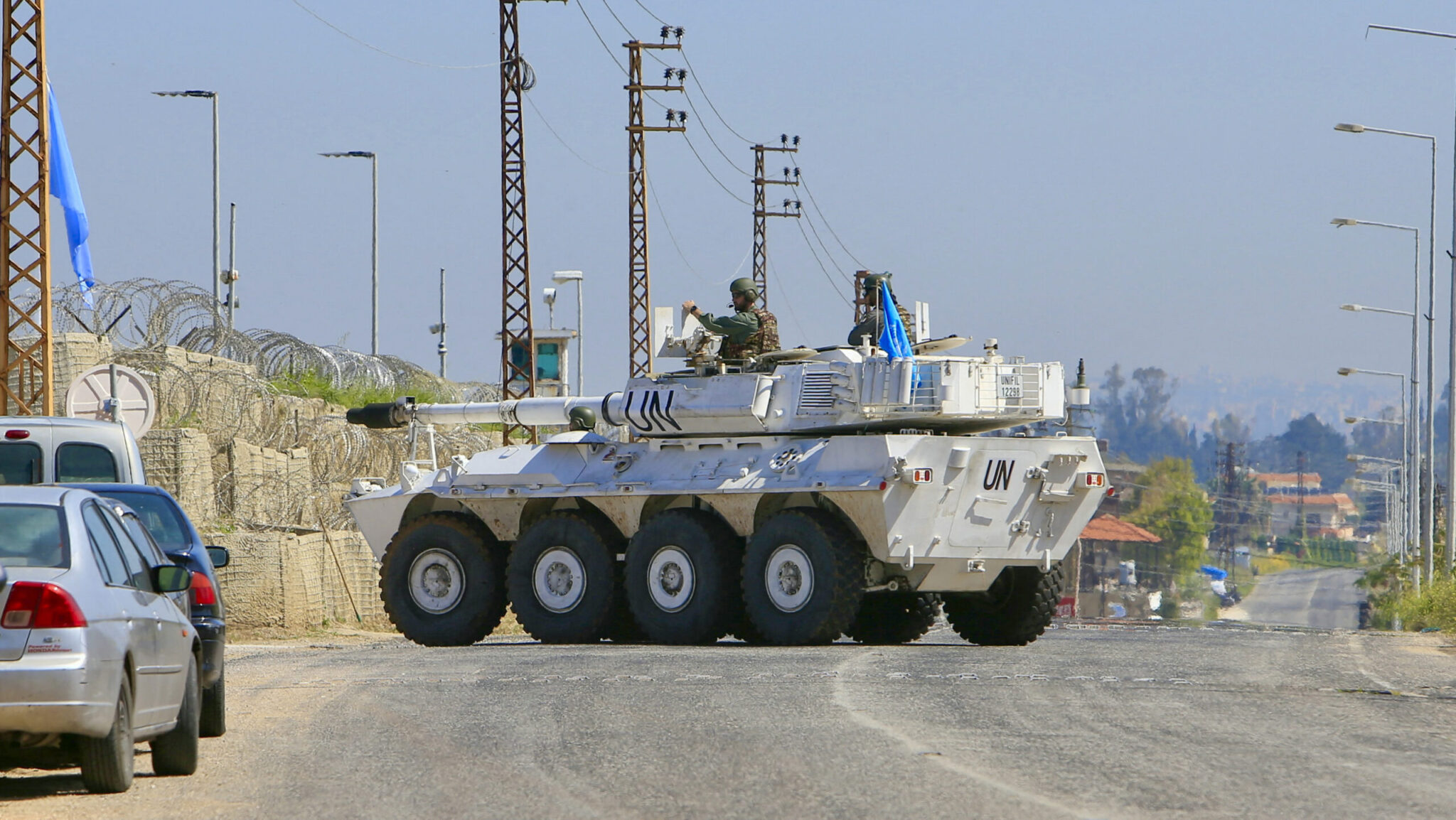
The United Nations Security Council has extended the mandate of the United Nations Interim Force in Lebanon (UNIFIL) for the first time while the country experiences almost daily clashes in the south—a scenario that has proven challenging for the peacekeeping mission to manage.
Resolution 2749, adopted by the Security Council on Wednesday, prolongs UNIFIL’s mission of maintaining peace between Israel and Lebanon until August 31, 2025. The resolution underscores the necessity for a “comprehensive, just, and lasting peace in the Middle East,” as noted in a UN announcement.
Additionally, the Council reiterated its demand for the full implementation of Resolution 1701 (2006) and urged all relevant parties to take immediate steps toward de-escalation and restore calm, restraint, and stability along the Blue Line, which marks the UN-recognized border between Lebanon and Israel.
Resolution 1701 concluded the month-long Israeli conflict with Lebanon in July 2006 and significantly increased the number of UNIFIL troops in the region to a maximum of 15,000. Currently, approximately 10,000 troops from 49 contributing countries are deployed in the area, according to UNIFIL deputy spokesperson Kandice Ardiel.
The mission has always faced difficulties, dangers, and controversies. However, it has been put in a particularly challenging position since October 7, when Hezbollah, the armed Lebanese group, began a series of rocket, missile, and drone attacks against Israel in solidarity with the Palestinian group Hamas. This has led to retaliatory strikes from the Israeli military in southern Lebanon. While these ongoing clashes have not escalated into full-scale war, they remain protracted and lethal.
“From 2006 to October 2023, under Resolution 1701, we did not witness significant conflict in the south. We experienced some occasional incidents, but they were usually de-escalated swiftly. The current situation is considerably worse than anything we’ve observed since 2006,” Ardiel stated.
The peacekeepers’ role does not involve direct military intervention, except for specific „counter-rocket launching operations.” Their focus is on monitoring the area for the UN and acting as mediators between the Lebanese and Israeli governments, though they do not engage directly with Hezbollah, which exercises de facto control over the southern border. They also provide essential civilian services, including medical assistance for noncombatants caught in the fighting.
According to Ardiel, the renewed fighting has further complicated the existing situation. „While our mandate hasn’t changed, we have had to adjust our activities according to what the Security Council resolution outlines. We continue to monitor the situation and focus our patrol efforts near the Blue Line, as that is where most of the fire exchanges occur,” she explained.
In response to the ongoing clashes, UNIFIL has increased patrols near the Blue Line and bolstered its counter-rocket operations. Ardiel noted, “We have also implemented security measures that may require peacekeepers to return to bases or seek shelter, depending on the threat level, as their safety is paramount for fulfilling our mission.”
For the time being, the Lebanese government has expressed no desire for a broader conflict. The caretaker Prime Minister of Lebanon, following a recent visit to the peacekeepers at the border, has reportedly been working to prevent escalation.
Both parties involved, in their public statements and discussions with UNIFIL, indicate that they do not seek war and prefer a political and diplomatic resolution. However, it is evident that both sides are also preparing for potential conflict, despite not wanting a widespread confrontation.
Ardiel confirmed that the UN is committed to its mission, stating that none of the participating nations have requested the withdrawal of their peacekeepers. Nevertheless, she concluded that the main challenge for UNIFIL is the apparent lack of political will on both sides of the Blue Line to fully commit to Resolution 1701 and halt the ongoing hostilities.
Experts have pointed out that while it is unlikely UNIFIL can achieve lasting peace between Israel and Lebanon, the UN’s decision to extend the operation is significant. “UNIFIL faces technical and political obstacles that hinder its ability to fulfill its mission effectively. It currently relies heavily on local reports and lacks sufficient equipment for monitoring its area of operations,” remarked Firas Maksad, director of strategic outreach and a senior fellow at the Middle East Institute.
Maksad emphasized that renewing the mission is crucial for restoring long-term calm in the region, but he called for UNIFIL to be equipped with a more flexible and technically capable force to fulfill its objectives.
Theodore Karasik, senior advisor at Gulf State Analytics, noted that since October 8, the force has found itself in an increasingly difficult position. He highlighted the importance of the mission’s renewal, asserting that removing UNIFIL from the equation at this juncture would signal a retreat, while its continued presence indicates that some lessons learned from the past year could be applied in the future.





