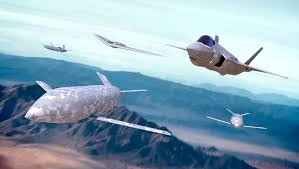
The Air Force’s Collaborative Combat Aircraft (CCA) program is poised to play a central role in shaping America’s future airpower. However, as this technology continues to evolve, the service faces numerous questions regarding the operational use and strategic implications of these systems.
To delve deeper into the intricacies of CCAs and their potential functionalities, Breaking Defense convened a panel consisting of reporters Michael Marrow and Valerie Insinna, along with Stacie Pettyjohn from the Center for a New American Security think tank. This discussion aimed to clarify what readers need to understand about the program.
In the second of a four-part video series from this discussion, the focus is on the complex challenges that Air Force planners are currently addressing regarding concepts of operations. Key topics include how these unmanned wingmen will operate in conjunction with piloted aircraft, the necessity of stealth capabilities, and how pilots can develop trust in the autonomous systems to perform as intended.
For viewers interested in the foundational aspects of the CCA program, the first video serves as an informative primer. Future installments will explore international efforts to replicate loyal wingman programs among both allies and potential adversaries, as well as the technological innovations that will enable these Collaborative Combat Aircraft to take flight.
Stay tuned for more insights as we continue to unpack the future of air combat through the lens of the CCA initiative.