Certification Challenges for Vulcan Rocket
The United Launch Alliance’s (ULA) Vulcan rocket will not be able to conduct two planned national security missions this year due to ongoing delays in the certification of the heavy-lift system. This statement follows recent comments from a Space Force official, who cast doubt on the feasibility of completing these missions before the end of 2024.
Recent Launch Attempts and Setbacks
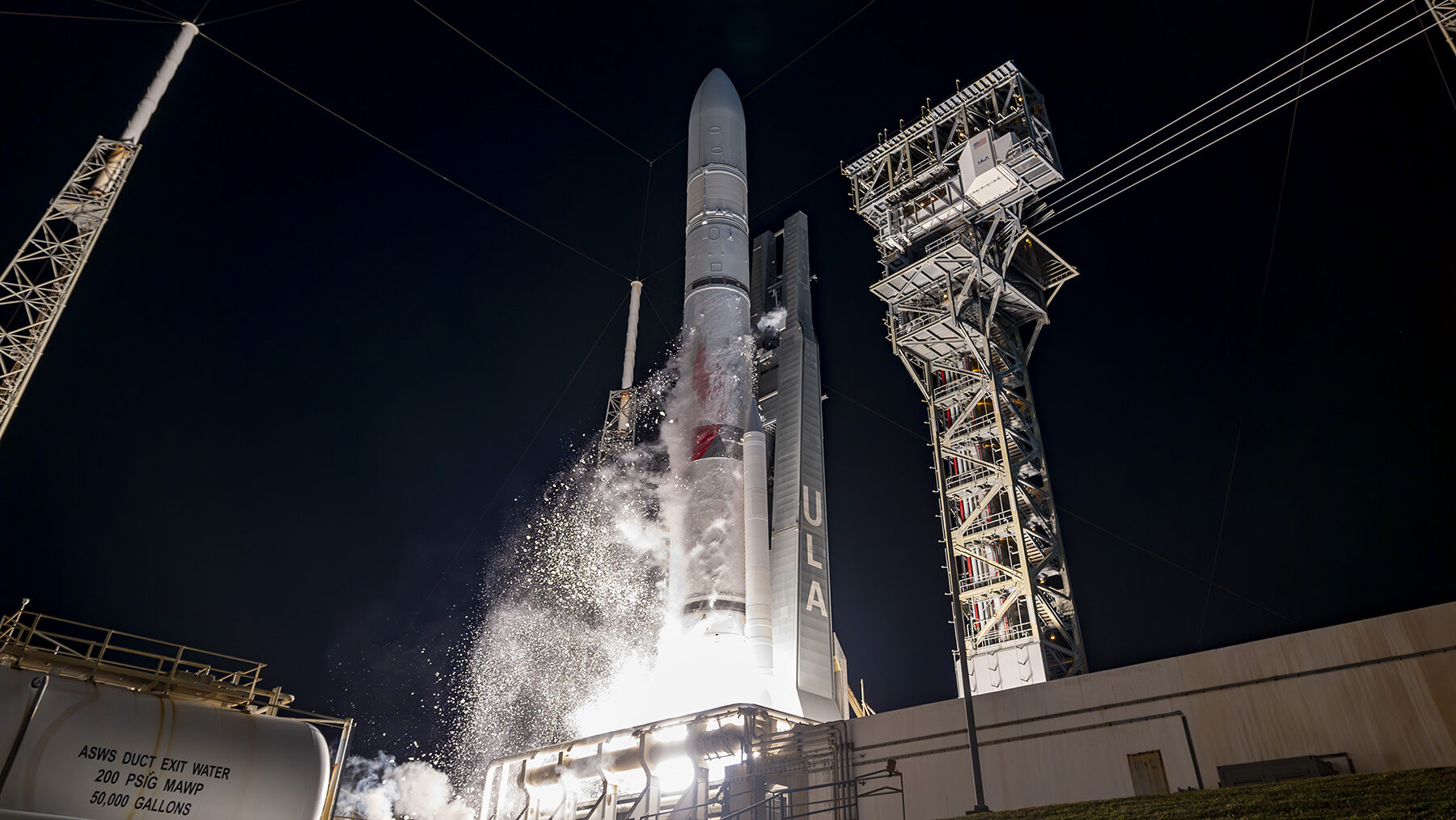
ULA launched its second certification flight in October, roughly a month behind schedule, following an earlier flight in January that experienced delays of nearly four years. The Space Force is currently assessing data from the October launch in collaboration with ULA to secure the certification necessary for the rocket to carry national security payloads. However, even if the certification is granted promptly, time is limited.
Time Constraints for Year-End Launches
With just six weeks remaining in the year and various preparation steps required, such as mounting payloads onto the rocket, Lt. Gen. Philip Garrant, head of the Space Force’s Space Systems Command, expressed concerns about meeting the launch timeline. During a breakfast meeting hosted by the Defense Writers Group, he noted, “We are getting challenged to be able to launch this year.”
Schedule Margin for 2024
When asked about the schedule margin left for 2024, Garrant replied, “Probably not much,” and deferred to ULA for further details. Following the report, a ULA spokesperson confirmed that the two launch missions, USSF-106 and USSF-87, are now “planned for early next year.”
Pentagon’s Push for Competitive Launch Options
In the broader context of commercial space, the Pentagon is keen on increasing the number of launch providers to encourage competition, reduce costs, and offer redundant launch options. ULA is in a race to certify the Vulcan rocket, especially after retiring the Atlas V and Delta IV Heavy rockets from military service.
Certification Requirements for National Security Payloads
For ULA to achieve certification for carrying national security payloads, two successful launches are required. The October launch met the criteria for certification by continuing on its planned flight path, despite an anomaly with one of the solid rocket boosters under investigation. Garrant remarked that if the launches do not occur by year-end, they would be delayed.
Ongoing Budget Limitations and Future Contracts
Garrant also highlighted that the Space Force’s contract vehicle for launches, known as the National Security Space Launch (NSSL) program, is currently in a holding pattern due to the ongoing continuing resolution (CR) that could extend into 2025. The latest NSSL iteration, Phase 3, awarded contracts to ULA, SpaceX, and Blue Origin for various launch categories. Due to the CR, further contract awards under NSSL Phase 3 will be paused until the full fiscal year 2025 budget is approved.
Outlook for ULA and Blue Origin
While ULA’s Vulcan remains uncertified, Blue Origin’s New Glenn rocket is awaiting its maiden flight, anticipated within the month. Garrant stated that the Space Force expects both companies to compete against SpaceX for NSSL Phase 3 contracts. “We anticipate that they will be certified,” he said regarding ULA and Blue Origin, noting that it is still early to determine how contract awards will be allocated once the FY25 budget is finalized.