Introduction
The collapse of Bashar al-Assad’s regime in Syria and Russia’s passive stance during this event have led some Western analysts to view this as a sign of Moscow’s imperial overstretch and waning influence in the region. The narrative suggests that Russia’s involvement in Ukraine has strained its military capabilities, rendering it unable and unwilling to support Assad further.
Understanding Russia’s Decision
While this interpretation is appealing, it is crucial for Western analysts to focus on the willingness aspect rather than the inability of Russia to assist. Vladimir Putin likely recognized the diminishing returns of supporting Assad, a relationship that had become a relatively low-cost, high-impact arrangement that lost value as rebel advances continued.
Moscow’s Strategic Calculations
Strategy involves trade-offs, and the Kremlin seems to have made a decisive choice: the costs of continuing support for the Assad regime outweighed the potential benefits. This reevaluation should not be seen as a position of weakness but rather as a calculated move by Moscow to avoid further strain on its resources.
The Impact of Assad’s Fall
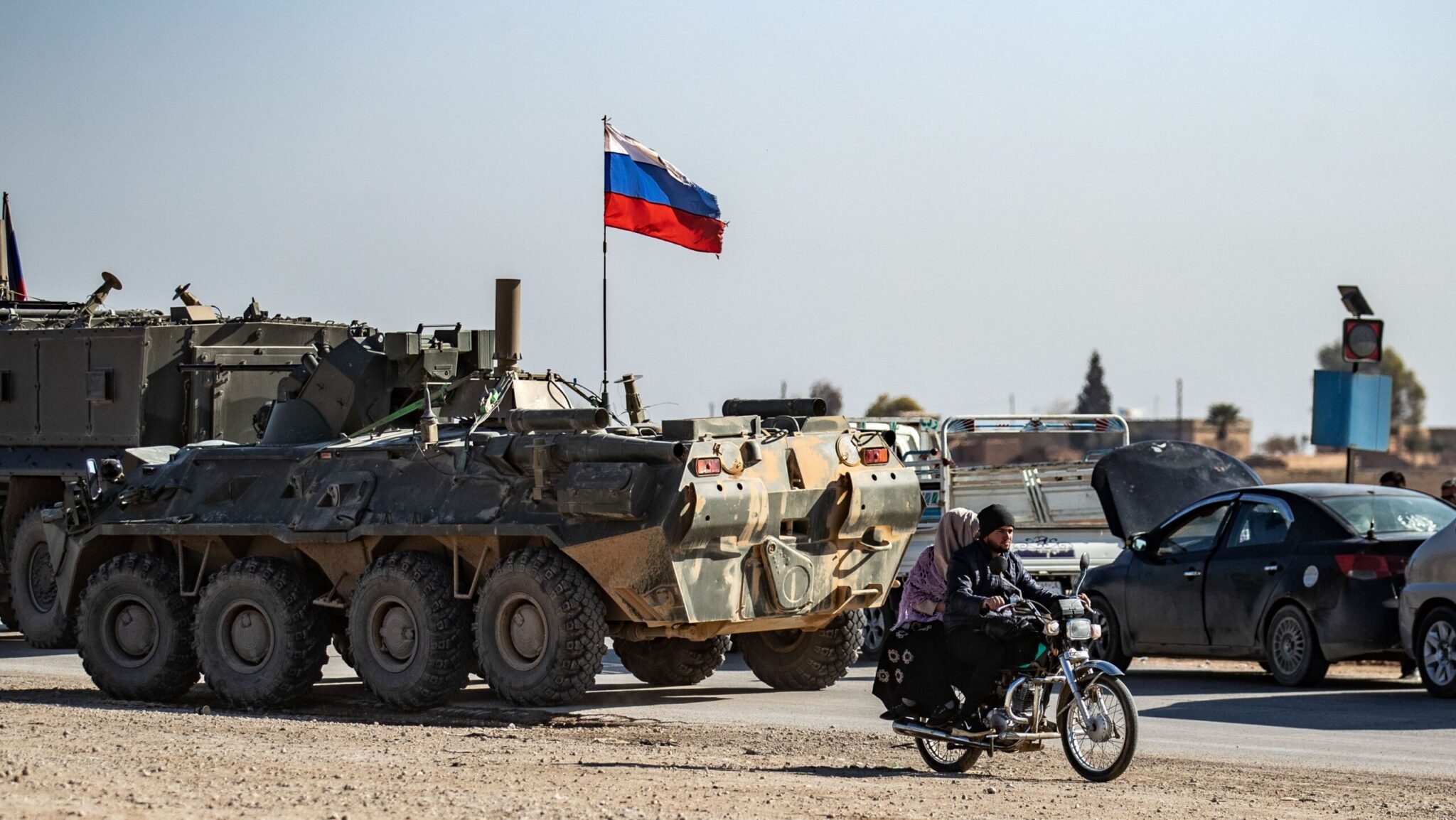
The downfall of Assad marks a notable setback for Moscow, which had invested significant financial and political capital into supporting him. Despite this loss, the Kremlin achieved a foothold in the Middle East and eastern Mediterranean through its intervention, which included strategic naval bases that allowed for operations in Libya and beyond.
Limitations of Russian Presence in Syria
Although some analysts have linked the situation in Ukraine to Russia’s military operations in Syria, this perspective overlooks the nature of Russia’s involvement. Russia’s contributions were mainly air support and advisory roles, rather than a large ground force presence. Whether Russia would have escalated its commitment to Assad in the absence of the Ukraine conflict remains speculative.
Operational Challenges for Assad’s Regime
The rapid collapse of the Assad regime signals significant operational weaknesses. Any potential counteroffensive would likely incur high costs, contradicting the Kremlin’s fundamental aim of maintaining a low-cost, low-casualty operation in Syria. Additionally, Assad’s regime proved to be an unreliable partner, struggling to engage meaningfully with opponents while balancing relationships with both Russia and Iran.
Future of Russian Forces in Syria
The long-term status of Russian forces in Syria is uncertain, with initial reports indicating a potential repositioning of troops to fewer bases or even a complete withdrawal. This dynamic shift has already impacted U.S. operations against the Islamic State, exposing vulnerabilities in the region following the pullback of Russian air defenses.
Regional Implications and Autocratic Support
Moscow’s actions carry implications for autocratic regimes across Africa, particularly those supported by Russian private military companies. The message is clear: as long as a regime remains viable and compliant, it will likely receive Moscow’s backing. However, when a regime falters, the Kremlin will make strategic adjustments.
Conclusion
While the fall of Assad is undeniably a setback for Russia, it also exemplifies the Kremlin’s strategic adaptability. Overemphasizing the immediate loss without recognizing the broader implications of strategic flexibility could lead to miscalculations regarding Russian intentions and actions both in Syria and beyond.