Introduction
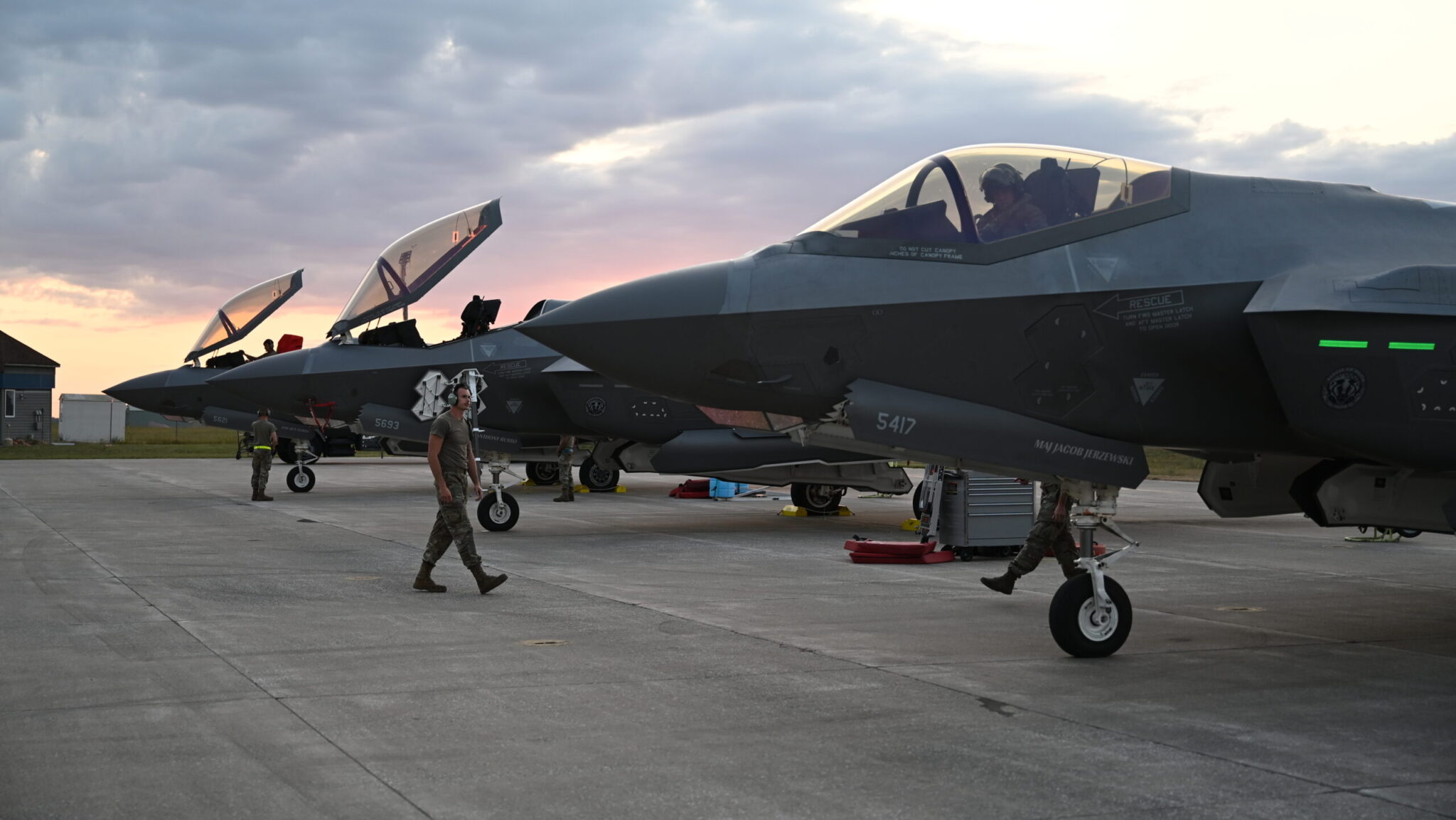
As Secretary of the Air Force Frank Kendall approaches the end of his tenure, he has issued a clear message to the incoming Trump administration: the F-35 is essential for U.S. airpower, and discussions about replacing manned fighter jets with drones are premature. During a virtual event hosted by the Mitchell Institute, Kendall addressed the evolving landscape of aerial combat and the role of emerging technologies.
Current Status of the F-35 Program
Kendall reaffirmed the importance of continuing to procure and upgrade the F-35, emphasizing that it remains the backbone of the Western aerial fleet. Despite facing scrutiny and criticism, particularly from tech entrepreneur Elon Musk, Kendall maintains that canceling the F-35 would leave a significant gap in the U.S. military’s capabilities.
Response to Elon Musk’s Criticism
Kendall responded directly to Musk’s comments about manned fighter jets, suggesting that the billionaire, while respected as an engineer, should consider the complexities of military operations before making sweeping statements. He acknowledged the potential for uncrewed systems like Collaborative Combat Aircraft (CCAs) in the future but stressed that we are not yet at the point where they can fully replace manned fighters, asserting that such a transition is still decades away.
Musk, who is set to co-lead a new commission aimed at reducing defense expenditures, has specifically targeted the F-35, alleging that continued investment in the aircraft is misguided. Kendall countered this viewpoint by outlining the F-35’s unique capabilities and the absence of near-term alternatives that could match its performance.
The Path Forward for Military Aviation
Kendall indicated that even with the advancement of Next Generation Air Dominance (NGAD) capabilities, which are still years from being operational, the current need for the F-35 remains critical. He argued that the Air Force’s commitment to its inventory of 1,763 F-35s should continue while also allowing for potential adjustments in the future as new technologies like CCAs and NGAD develop.
Despite the challenges the F-35 program has faced, including delivery delays and performance issues from prime contractor Lockheed Martin, Kendall expressed confidence in the aircraft’s potential. He called for improved performance from Lockheed and highlighted ongoing investments in enhancing development and integration capabilities for the fighter jet.
Diverse Opinions on the Future of Combat Aircraft
Within defense circles, opinions vary on the integration of drones and the future of manned aircraft. Air Force Brig. Gen. Douglas Wickert, for example, acknowledged the likelihood that fully autonomous warfare is far from realization, emphasizing ethical considerations when implementing lethal drone capabilities.
In contrast, Rep. Adam Smith has shown openness to exploring greater roles for drones, suggesting that swarms of drones could be more effective than traditional platforms. He pointed to lessons learned from the conflict in Ukraine, arguing that the U.S. must be willing to innovate and adapt its defense strategy to new realities.
Conclusion
Secretary Frank Kendall’s insights reflect a commitment to maintaining the F-35 as a cornerstone of U.S. airpower in the face of emerging technologies and criticisms from influential figures like Elon Musk. While recognizing the potential of uncrewed systems, he reinforces the need for a balanced approach to modern warfare, blending traditional manned platforms with emerging capabilities. As advancements in military technology continue to evolve, discussions about the future of air combat will remain critical, requiring careful evaluation of both capabilities and ethical implications.