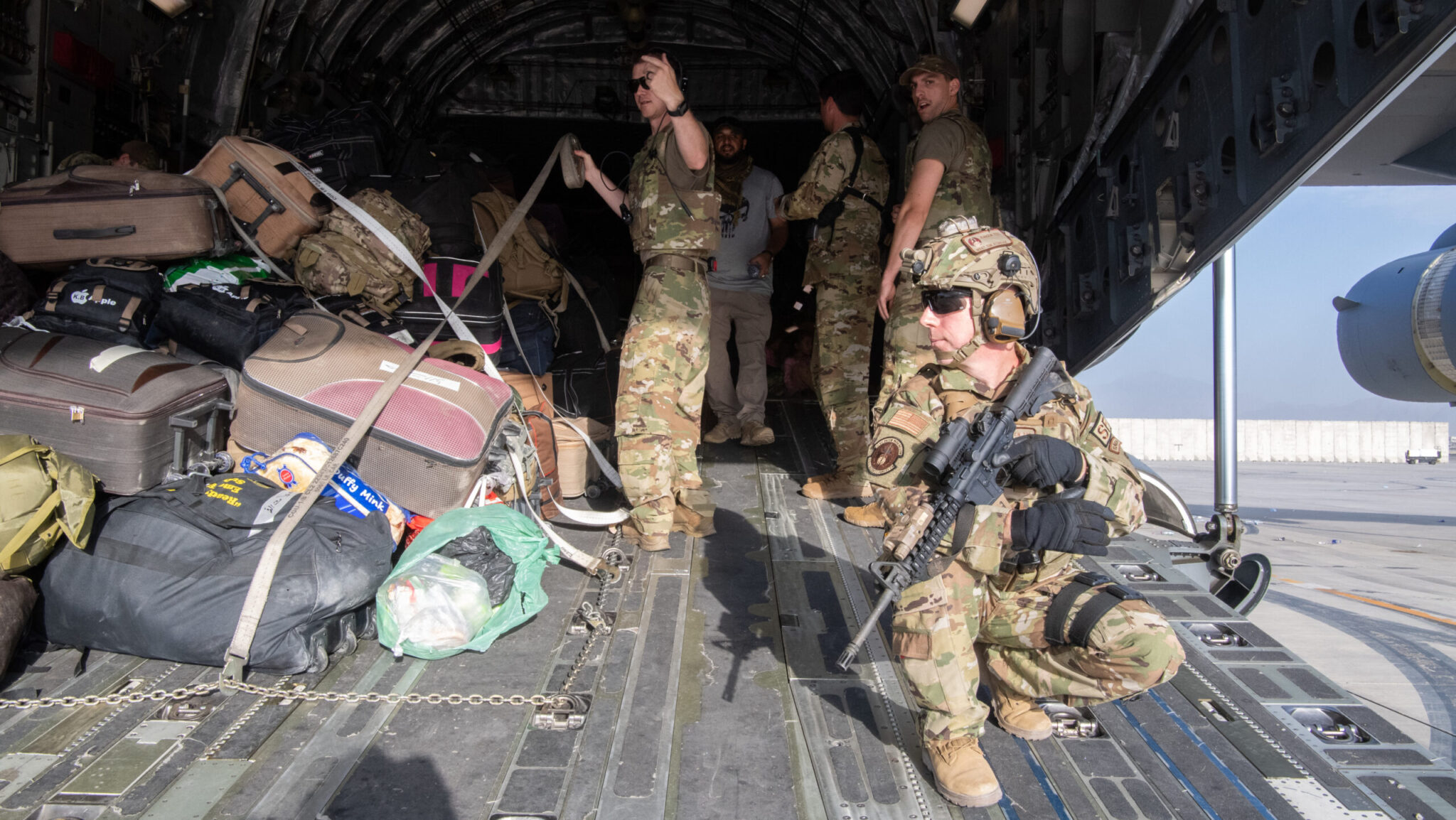
The U.S. military’s relationship with the Middle East has historically been complicated. This dynamic is characterized by a familiar paradox: deploying forces to counter immediate threats while preparing for troop drawdowns in other areas. Before the election, U.S. defense officials announced both increased deployments to the region and plans for troop withdrawals. Although this may appear contradictory, it arises from a complex web of historical, geopolitical, and security factors.
This paradox now intersects with the anticipated policy shifts of the incoming Trump administration, which has pledged to adopt a more assertive stance in countering threats in the region. Statements from campaign advisors indicate an inclination toward increased pressure on Iran and greater support for Israel, potentially resulting in prolonged troop commitments to address significant conflicts. The future of U.S. forces in Syria remains uncertain, as President-elect Donald Trump has expressed opposition to continued involvement in that country.
As with any change in administration, the U.S. will need to consider recalibrating its military posture to provide both deterrence against adversaries and support for allies. The U.S. should aim to reduce long-term commitments in regions where its military presence is no longer essential, aligning with the preferences of local leaders while retaining the ability to swiftly respond to immediate threats and adapt plans in accordance with global events.
During its four-year term, the Biden administration sought to decrease the U.S. military footprint in the Middle East while simultaneously increasing forces in the Mediterranean and surrounding areas. The White House framed these deployments as vital for preventing conflict spillover and protecting U.S. interests. This decision reflects historical patterns, where the U.S. has relied on forward-deployed forces as a deterrent against adversaries like Hezbollah and Iran.
In contrast, the Trump administration’s perspective emphasizes a robust deterrence posture, suggesting that current deployments may not be temporary. President-elect Trump has previously implemented a “maximum pressure” campaign against Iran, with plans to revive this strategy. The cabinet selections for the incoming administration signal a strong inclination to support Israel and project American strength.
The new administration may face a significant test in balancing its posture in the region, especially following the release of a September 27 statement by the U.S. and Iraqi governments regarding the end of their military mission against ISIS. Reports indicate that discussions with Iraqi leaders focused on shifting U.S. presence from a combat role to an advisory mission, with fewer boots on the ground. This troop reduction aligns with a broader strategy to redirect focus from counterterrorism to addressing near-peer threats like China and Russia.
Although a withdrawal from Iraq may appear inconsistent with the increased military presence elsewhere in the Middle East, the two strategies are interconnected. The paradox of deploying and withdrawing troops is not new; the U.S. has previously navigated similar challenges after the Gulf War, balancing American interests, allies, and citizens through targeted, flexible deployments while reducing overall military presence in the region. This strategy acknowledges that while complete disengagement from the Middle East is not feasible, the U.S. must avoid becoming permanently tied to the region.
The future of U.S. military involvement in the Middle East will continue to be a complex balancing act. The Biden administration aimed to manage immediate threats while shifting focus to great-power competition elsewhere. In contrast, the foreign policy approach of the Trump administration, characterized by a focus on “peace through strength,” could represent a more direct stance.
This paradox illustrates the broader challenge facing incoming U.S. policymakers on the Trump team: how to effectively manage regional influence and alliances while safeguarding American interests without becoming entangled in prolonged conflicts. As the U.S. adapts its role in the region, this dual approach underscores the urgency of addressing short-term threats while strategically recalibrating military posture for future challenges.
Fluidity will remain essential as regional conflicts arise and subside, causing the U.S.’s role in the Middle East to continuously ebb and flow. It is evident that both short-term stability and long-term strategic planning will shape U.S. military decisions, ensuring that what may initially seem perplexing is, in fact, a reflection of strategic persistence.
This balancing act necessitates a flexible and scalable approach to Middle Eastern security. As the incoming Trump administration evaluates the global posture of the U.S. military, seemingly contradictory actions—such as deploying forces to manage immediate crises while drawing down in areas where long-term military engagement is deemed unnecessary—will likely remain a defining characteristic of American defense policy.