The Air Force and DIU select Anduril and Zone 5 Technologies to advance in the Enterprise Test Vehicle (ETV) program, aiming to develop a modular, low-cost air vehicle paving the way for next-generation weapons.
I. ETV Program Moves Forward: Anduril and Zone 5 Selected
The Air Force and the Defense Innovation Unit (DIU) have chosen Anduril Industries and Zone 5 Technologies to continue development under the ETV program. This selection follows a competitive process, eliminating Leidos Dynetics and Integrated Solutions for Systems from the previous round. The ETV program, originally intended as an affordable testbed for subsystems, is now poised to serve as the foundation for a new generation of weapons systems.
II. Anduril’s Barracuda-500: A Key Component of the ETV Effort
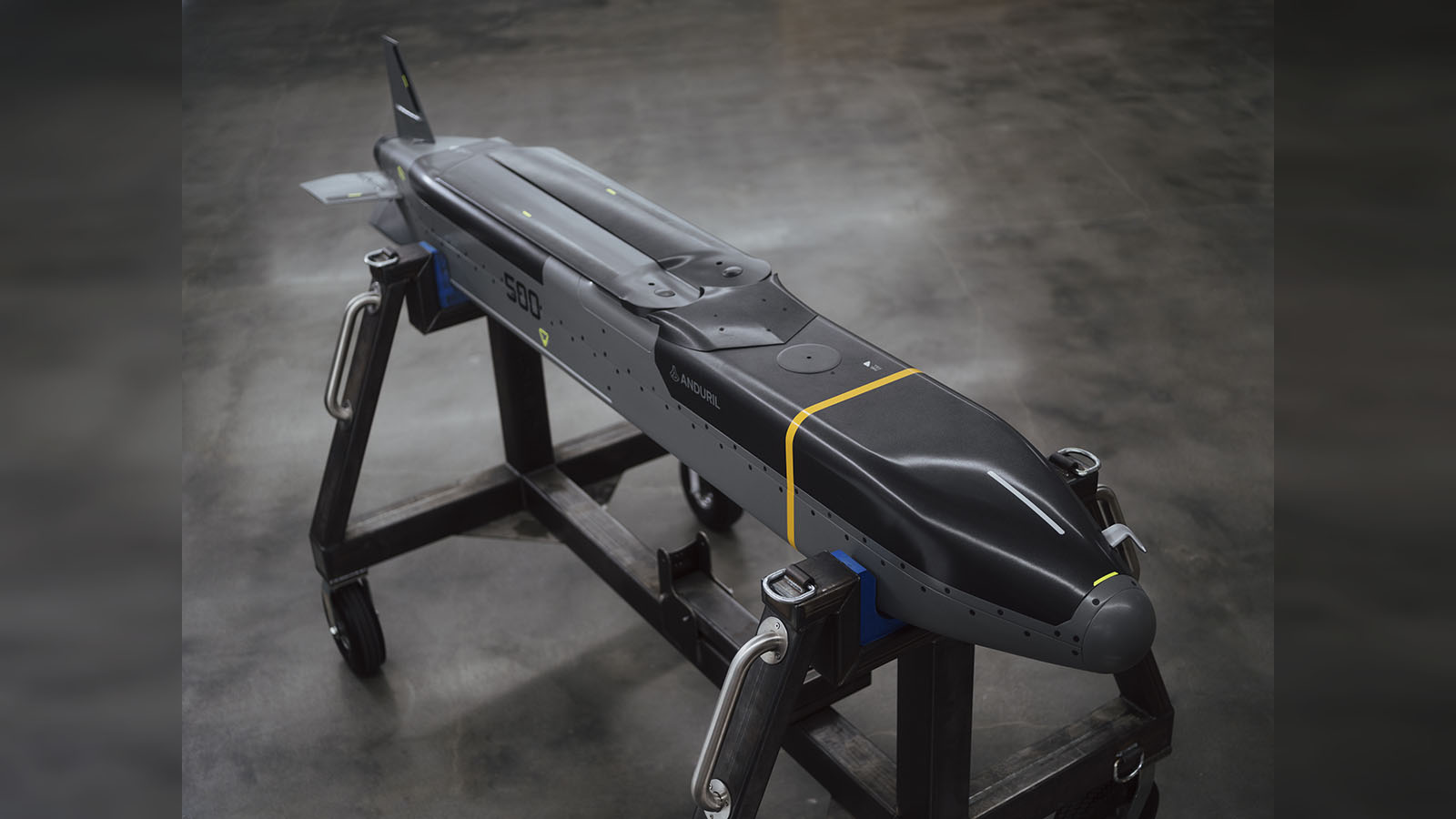
Anduril is leveraging its recently unveiled Barracuda-500 cruise missile in its ETV contribution. Over the coming months, Anduril will manufacture several Barracuda-500 units using production-representative processes and equipment, aiming for a production-ready variant by 2026. This emphasis on scalable manufacturing reflects the program’s focus on affordability and rapid deployment.
III. Zone 5 Technologies’ Rusty Dagger: A Versatile Open Weapon Platform
Zone 5 Technologies will contribute its Rusty Dagger Open Weapon Platform to the ETV program. The company highlights the platform’s mature capabilities and rapid transition potential towards scaled production and mission readiness, emphasizing successful end-to-end mission demonstrations, including palletized and pylon launch capabilities. The emphasis on open-architecture systems aligns with the program’s goals of modularity and interoperability.
IV. Next Phase Focus: Autonomous Networking and Capability Enhancement
The next phase of the ETV program will focus on iterating platform design, incorporating autonomous networking capabilities, and will last approximately six months. The goal is to transition the ETV into the Franklin Affordable Mass Missile (FAMM) program, leveraging lessons learned and demonstrated capabilities.
V. Parallel Efforts: Extended Range Attack Munition (ERAM) and Foreign Military Sales
A parallel effort, ERAM, is focused on developing an ETV vehicle specifically for foreign military sales, initially targeting Ukraine. Although military aid to Ukraine is currently paused, the ERAM program demonstrates a forward-thinking approach to supporting allies and maintaining readiness for future contingencies.
VI. Lockheed Martin’s CMMT: A Competing Approach to Affordable Munitions
Separately, Lockheed Martin has unveiled its Common Multi-Mission Truck (CMMT), a subsonic air vehicle designed to meet the demand for cheaper, easily produced weapons. The CMMT, featuring scalability and adaptable payloads, aims to meet FAMM’s unit cost goals of $150,000 per round. It comes in two air-launched variants: one for airlifters, fighters, and bombers; and a smaller version for rotary aircraft. The CMMT represents a competing approach to affordable munition development, highlighting the innovation and competition within the defense industry.
VII. A New Era of Affordable Air Warfare: Innovation and Competition Drive Progress
The ETV program, along with competing initiatives like Lockheed Martin’s CMMT, showcases the Air Force’s commitment to developing and fielding affordable, next-generation weapons systems. The emphasis on modularity, open architecture, and scalable manufacturing processes signals a significant shift towards more efficient and adaptable air warfare capabilities, promising to transform the battlefield in the years to come. This drive for innovation and competition is critical for maintaining a technological edge in the evolving global security landscape.