Balancing Security Needs with Political and Economic Realities
TOKYO – Japan is rapidly expanding its long-range missile capabilities in response to growing security threats, primarily from China. While this modernization effort involves significant US collaboration, it also faces considerable political and economic headwinds domestically, as well as uncertainty surrounding the future of the US-Japan alliance under the Trump administration.
Modernizing Missile Capabilities:
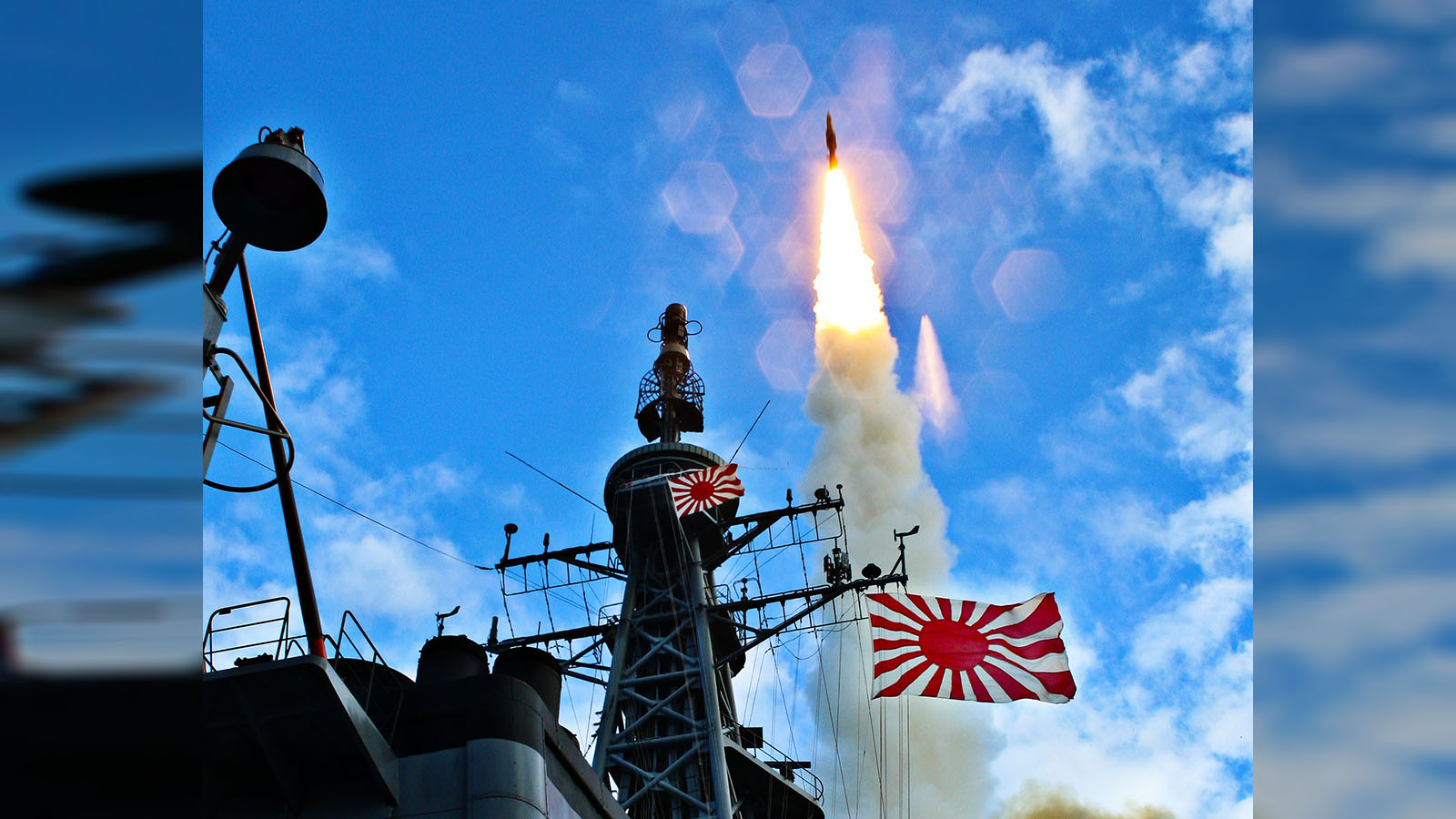
Japan’s recently published national security strategy identifies missile attacks as a significant threat, justifying the acquisition of counterstrike capabilities. This involves the accelerated procurement of US-made Tomahawk cruise missiles and upgrades to its indigenous Type 12 anti-ship missiles, extending their range and capabilities significantly. Additional major US arms purchases this year include AIM-120 air-to-air missiles, SM-6 anti-air and anti-ship missiles, JASSM-ER cruise missiles, and support for the development of Hyper Velocity Gliding Projectiles.
Strategic Implications and Regional Dynamics:
These advancements will place a significant portion of North Korea and China’s east coast within striking range of Japanese forces, enhancing deterrence capabilities. This modernization is viewed as essential to counter China’s growing military dominance in the region. Professor Ken Jimbo of Keio University notes that these missiles provide vital early engagement capabilities to manage escalation and buy crucial time.
Domestic Challenges and Uncertainties:
Despite this significant investment, several factors threaten to impede Japan’s defense modernization plans. While public support for increased defense spending exists, there’s hesitation towards tax increases necessary to fund the 2 percent of GDP commitment. The recent yen devaluation against the dollar adds to the cost of acquiring and maintaining weaponry. Furthermore, the location of missile bases creates potential „Not In My Backyard” (NIMBY) opposition.
Alliance Dependence and Kill Chain Gaps:
The Japanese Self-Defense Force (SDF) also faces limitations in effectively employing its new missile capabilities, particularly regarding its „kill chain,” notably its target detection and tracking capabilities. While improved command and control structures through enhanced alliance cooperation with the US could bridge these gaps, considerable reliance on US support for the foreseeable future remains a reality. This dependence raises concerns regarding the stability and nature of the US-Japan alliance.
Concerns over the US-Japan Alliance:
The Trump administration’s foreign policy approach has created uncertainty regarding the US security commitment to Japan. Statements from President Trump and his appointees expressing expectations of increased Japanese defense spending and questioning the balance of the alliance have heightened concerns. This concern is exacerbated by Trump’s unpredictable stance on alliances and international cooperation.
Conclusion:
Japan’s pursuit of advanced missile capabilities is a crucial element of its response to growing security challenges, but this strategy is intertwined with significant internal political and economic constraints. Uncertainty surrounding the nature and durability of the US-Japan alliance under the Trump administration introduces another layer of complexity. The success of Japan’s modernization will hinge not only on its ability to address these domestic challenges but also on the maintenance of a strong and predictable security partnership with the US.