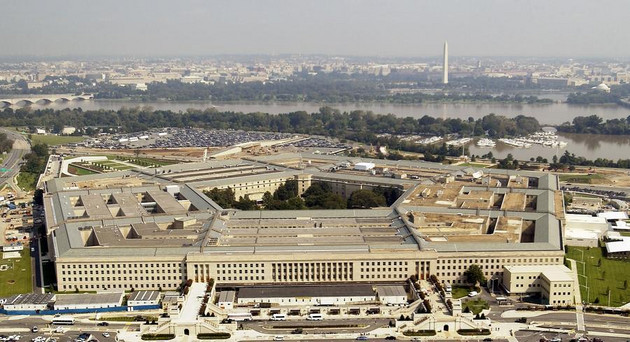
The Diminishing Role of Congressional Appropriations
For decades, the U.S. Congress has struggled to meet its pivotal responsibility of timely passing annual appropriations for federal government operations. This year marks a historic shift as the Department of Defense finds itself reliant on a full-year continuing resolution (CR) for the first time, raising questions about the future of regular legislative order and budget management.
A New Normal? The Future of Appropriations
With recurring CRs becoming the norm, one must wonder if we are entering an era devoid of annual appropriations, opting instead for perpetual continuations of previous budgets. This situation brings forth critical concerns regarding national security, economic competitiveness, and the United States’ international standing.
Strategic Implications for Defense and Oversight
The year-long CR introduces significant new exceptions for defense, indicating a potential paradigm shift. It permits new initiatives and enhances transfer authority for the Department of Defense (DoD), thus allowing for necessary adjustments in alignment with evolving priorities. While budget increases are modest, the very existence of these exceptions suggests a recognition within Congress of the urgent need for adaptations within defense funding structures.
Congress’s Evolving Role in Defense Budgeting
To navigate this new reality, Congress might consider a shift toward a more prominent oversight role. The DoD has faced constraints not imposed on other federal agencies, which can operate effectively without the traditional limitations that accompany a CR. Reports by RAND underscore these disparities, revealing that other departments benefit from funding flexibilities, a crucial point for fostering a more responsive military budget that aligns with national security demands.
Proposed Changes for Enhanced Agility in Defense Spending
To bolster the effectiveness of the DoD, Congress should provide the flexibility necessary for agile management of military funding. Future appropriation measures must incorporate structural changes that grant the DoD the same operational latitude enjoyed by other agencies. This includes multiyear funding arrangements and the elimination of restrictive conditions on the types of appropriations available.
Additionally, redesigning the DoD budget by mission and program focus could streamline oversight and encourage responsiveness to dynamic military requirements. Adopting a funding model akin to NASA’s approach—centering on portfolio outcomes rather than rigid statutory titles—could enhance transparency and efficiency in resource allocation.
Congressional Power in Question: The State of Appropriations Leadership
Republican leaders in Congress seem to signal their waning influence by presenting extensive funding tables to the DoD as guidance for the fiscal 2025 CR. Traditionally a source of congressional authority, these tables lack clarity in their legal implications and risk further diluting the appropriations process. A cohesive annual defense legislative measure, combining oversight and program direction, could be the solution to ensure timely budget approvals.
Conclusion: Seizing the Moment for Successful Funding Reform
The failure of Congress to pass a timely budget presents a unique opportunity for the DoD to manage its finances with newfound flexibility. Whether the Trump administration and Congress will embrace a modernized approach to government funding remains uncertain. However, as the deadline for the next fiscal year looms, there is an urgent need to transform past failures into a successful framework for securing the nation’s safety and security.