Reassessing America’s Nuclear Posture
In a time when Beijing ramps up its nuclear arsenal and Moscow uses its nuclear capabilities to intimidate NATO, there’s a pressing opportunity to reconsider the strategy behind America’s international nuclear deployments. The heightened global tension begs the question: should the United States deploy more nuclear weapons overseas, or is there a more strategic path?
Navigating Global Demands and Discrepancies
With France proposing to expand its nuclear protection over Europe, and countries like Poland and South Korea openly inviting US nuclear weapons onto their territories, the debate intensifies. Notable is Sweden’s announcement of readiness to host US nuclear arms in times of war. On the other hand, Vice President J.D. Vance has voiced concerns about such extensive deployments. The core complication lies in the outdated legal and strategic grounds for US nuclear sharing, which may never have been entirely robust.
Historic Interpretations Under Scrutiny
The United States leads in overseas nuclear presence, rooted in historical interpretations of „control” from the Nuclear Non-proliferation Treaty (NPT). This interpretation, agreed with Russia nearly six decades ago, allowed US nuclear forward deployments provided control remained with Washington. Yet today, significant nations argue that US nuclear sharing contravenes the NPT’s intents.
Shifting Dynamics with Russia and China
Recent actions, like Russia’s deployment of nuclear arms to Belarus and China’s significant nuclear expansion, underscore new threats. Russian doctrines now allow preemptive nuclear action even in conventional conflicts, while China’s build-up aims to deter US intervention in regional disputes. Such dynamics drive European and Asian allies to seek US deployments, though such actions might reignite Cold War-era tensions.
Strategic Realignment Over Increased Deployment
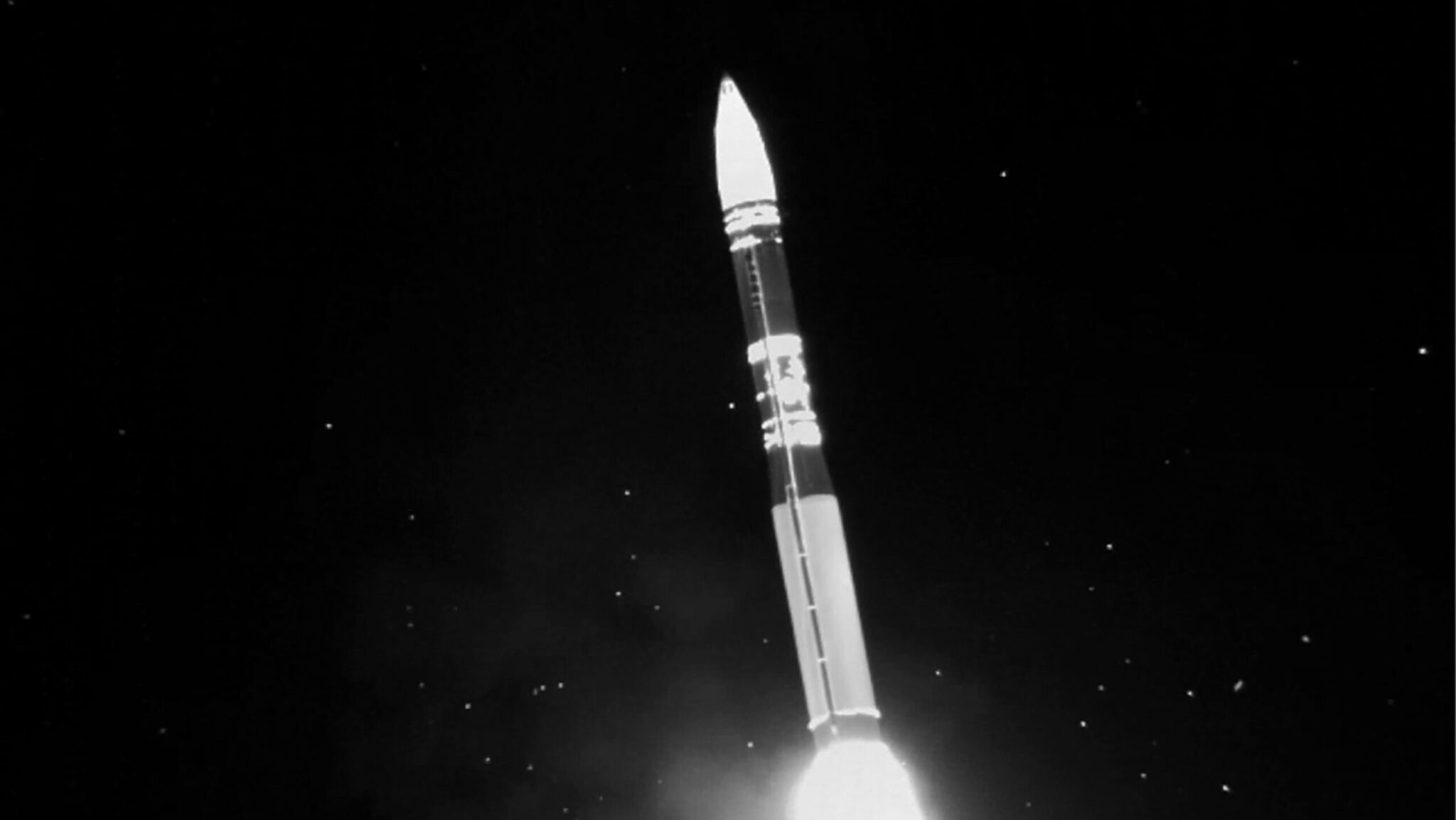
The rationale behind US nuclear weapons overseas—once logistical necessity—has been supplanted by advancements in delivery methods like ballistic missiles and bombers. Restarting forward deployments could reintroduce vulnerabilities rather than enhance security.
In Europe, the US could demand reciprocal actions from Russia—such as relocating nuclear forces—before considering any changes to its NATO nuclear posture. This would refocus on Russian aggression and encourage tangible arms control advances.
In Asia, US deployments should be linked to China’s nuclear activities. Beijing’s verifiable commitments to halt plutonium production and enter arms control discussions could lay the groundwork for US nuclear restraint in the region.
Innovative Alternatives to Forward Deployment
For allies like South Korea and Poland, creative solutions might serve better. Modeling initiatives like RAND’s suggestions for South Korea—where they fund US warhead refurbishment without basing them abroad—could preserve security commitments and avoid international legal pitfalls.
Conclusion: Enhancing Peace through Strategic Restraint
These approaches shouldn’t be seen as weakening American deterrence; conversely, they strengthen it by realigning US policy with global nonproliferation goals and establishing credible, modern stances ahead of the 2026 NPT Review Conference. As Vice President Vance suggests, caution around overseas nuclear deployments is prudent. Instead, leveraging adversarial responses to perceived deployment threats could be a strategic tool in maintaining global stability.