Seeking Versatile Solutions for Long-Range Missions
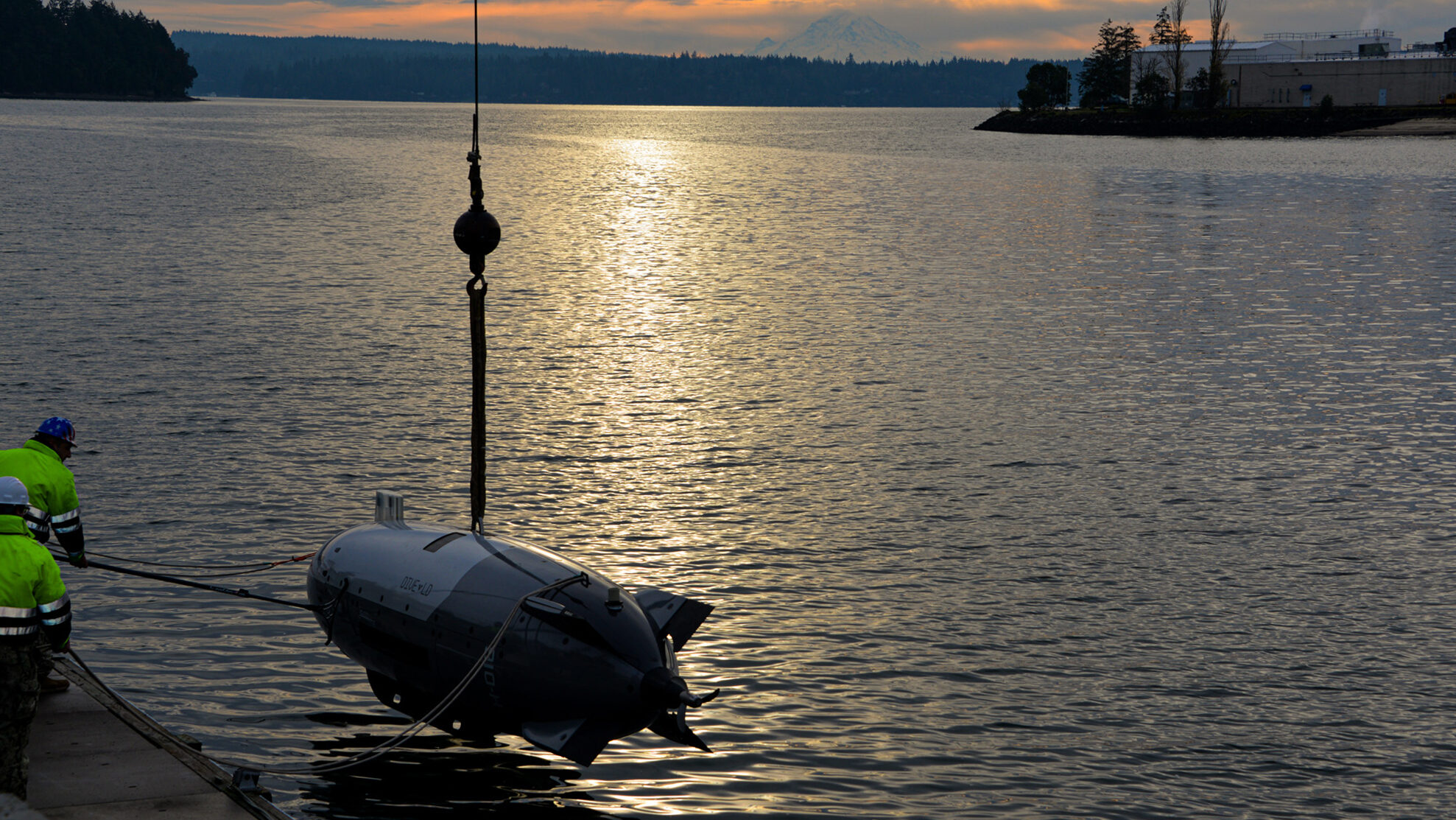
The Pentagon’s Defense Innovation Unit (DIU) is on the hunt for commercially available unmanned undersea vehicles (UUVs) that can effectively deploy large payloads over distances exceeding 1,000 nautical miles. The request aims to address specific operational gaps, emphasizing the necessity for innovative underwater solutions that can adapt to diverse military needs.
Identifying Operational Limitations
According to the DIU solicitation, titled “Combat Autonomous Maritime Platform,” current UUV capabilities face significant constraints in both range and payload capacity. These limitations hamper the timely deployment of essential resources across critical operational scenarios. „The DoD seeks commercially available, demonstration-ready uncrewed systems that address these limitations,” the solicitation states, highlighting the push for scalability and cost-effectiveness in long-range maritime operations.
Robust Requirements for Multifunctional Capabilities
The sought-after UUV should not only handle varying payload sizes but also excel in conducting intelligence, surveillance, and reconnaissance missions. Additional requirements include the ability to operate in GPS-denied environments, perform bathymetric surveys, and dive to depths greater than 200 meters (656 feet). Furthermore, it must possess autonomous navigation capabilities to avoid obstacles and collisions while maintaining a range beyond 1,000 nautical miles. Interested vendors have until May 1 to submit their proposals.
Aligning with Naval Aspirations
This endeavor to develop a multi-purpose unmanned system underscores the US Navy’s persistent interest in integrating advanced technology into its future fleet. Navy leaders have long advocated for capabilities that enhance operational versatility, aiming for a hybrid fleet that can efficiently deploy a range of resources in dynamic maritime theaters.
Encouraging Innovation from Industry
The solicitation is open to recognizing that not all companies will meet every specification, yet the DoD encourages firms with relevant capabilities to participate. Recent developments in the industry have already seen companies like Leidos, Saronic, and Anduril unveiling advanced unmanned surface and subsurface vehicles, such as the Sea Dart and the Copperhead. However, while varied testing has occurred through Task Force 59, only a handful of vehicles have transitioned into official programs, like HII’s Lionfish or gained operational roles in initiatives such as Operation Southern Spear.
DIU’s Role in Advancing Technology
As a pivotal research agency, the DIU is tasked with scouting and appraising market technologies to support military operations. The decision to further invest in and integrate these products into the fleet remains a responsibility for Navy leadership. This solicitation represents yet another step in the Pentagon’s pursuit of cutting-edge technology to enhance national security and operational readiness in a rapidly evolving maritime landscape.