New Funding Marks a Turning Point in National Defense Strategy
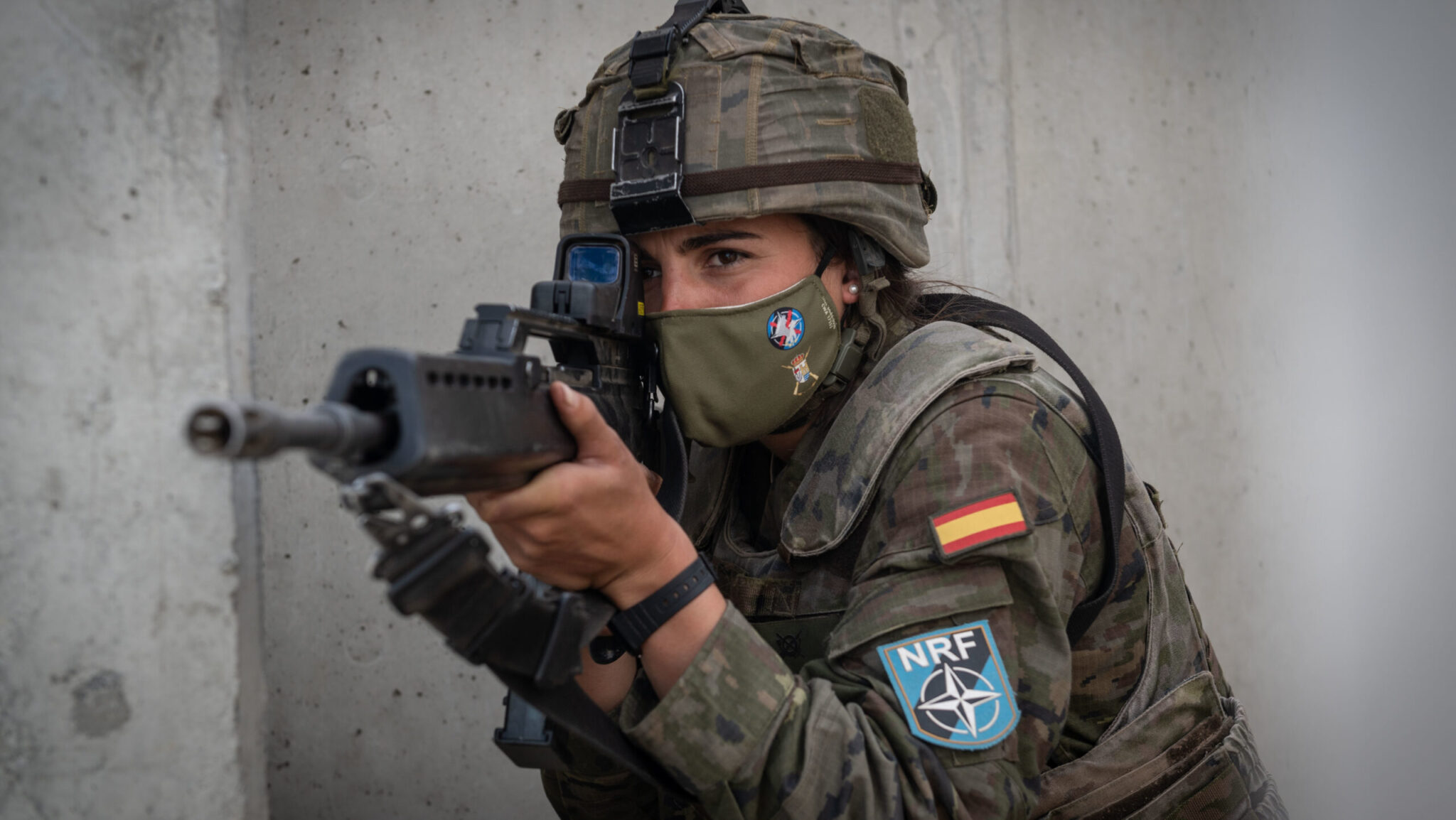
Spain has declared its intention to meet NATO’s 2 percent GDP defense spending target this year following the announcement of a substantial military investment plan totaling €10.5 billion ($12 billion). This decisive action comes amidst long-standing criticisms regarding the country’s defense funding levels, particularly from the Trump administration.
Investment Details Unveiled by Prime Minister Sánchez
The announcement was made by Prime Minister Pedro Sánchez during an executive meeting of the Council of Ministers on Tuesday. The „industrial and technological plan for security and defense” outlines Spain’s commitment to reach total military spending of €33 billion by 2025. Previously, Spain ranked among the lowest NATO spending nations, allocating only 1.4 percent of its GDP to defense in 2024. However, Sánchez emphasized that the country is ready to rise to the challenge, stating, “We will lend a hand and we will do so without renouncing our values and interests.”
Fortifying National and European Security
Highlighting the urgent need for increased military capabilities in the face of evolving threats—ranging from missile strikes to cyberattacks—Sánchez articulated the plan’s central goal: “Guaranteeing the security of Spain and its citizens in the current geopolitical and technological context is the first objective.”
The new investment strategy aims to confront threats from “Europe’s enemies” by developing necessary human and technical capacities swiftly. A secondary goal is to establish Spain as a “central and reliable member of the European Union and the Atlantic Alliance,” with a focus on innovation and the reindustrialization of dual-use technologies.
Funding Breakdown and Key Investments
The plan allocates over 35 percent of the newfound budget for improving „working conditions and training” of military personnel and investing in military equipment, although Sánchez refrained from detailing specific high-profile procurements across air, land, sea, or space assets.
Among the notable allocations is €3.26 billion earmarked for a „digital shield” aimed at modernizing encrypted communications systems and acquiring key technology assets, including satellites, antennas, and radars. This initiative is part of a broader effort to bolster both civilian and military cybersecurity capabilities, incorporating investments in cloud storage, 5G technology, artificial intelligence, and quantum computing.
Additional funding close to €2 billion is designated for „defense and deterrence equipment,” while roughly €1.75 billion supports the dual capabilities of the armed forces for natural disaster response—reflecting the increasing impact of climate change on security operations. This includes purchasing „rescue and logistical support helicopters” and specialized vehicles for firefighting operations, as well as a new hydrographic vessel.
Aiming for Enhanced International Collaboration
Less than 4 percent of the new funding is allocated for enhancing „security conditions” for around 3,000 Spanish troops engaged in 16 peacekeeping missions globally.
Spain’s increased defense budget arrives just in time for the upcoming NATO Summit in The Hague, where discussions are expected to focus on raising the 2 percent spending target to 3 percent or higher. Although there have been discussions concerning the U.S. call for European nations to hit a 5 percent mark, such proposals are anticipated to face resistance among allies.
As Spain embarks on this significant shift in defense policy, the nation aims not only to fulfill its NATO commitments but also to respond decisively to the modern security landscape.