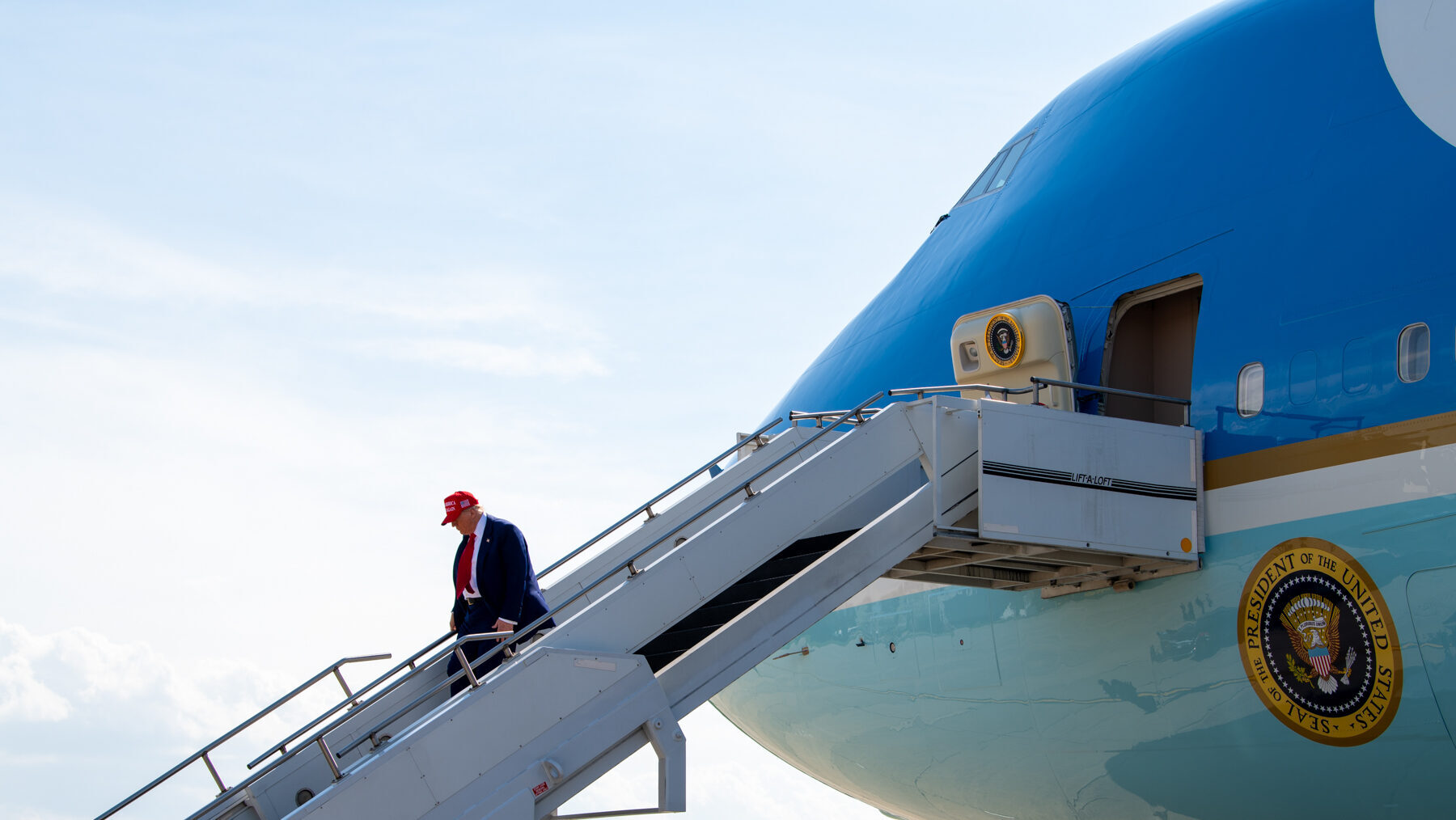
Boeing has recently indicated to the U.S. Air Force that it could expedite the delivery of the next presidential aircraft, potentially handing over the first plane by 2027—if the aircraft’s requirements are scaled back. This development comes amid ongoing delays and high costs in the Air Force’s flagship program, known as Air Force One.
A Path to 2027 Amid Technical Trade-offs
Darlene Costello, acting Assistant Secretary of Defense for Acquisition, disclosed in a House Armed Services subcommittee hearing that Boeing’s latest internal schedule estimates show promise for a 2027 delivery date. “They’re proposing to bring it into ‘27,” she explained, adding that this is contingent on the government and the manufacturer agreeing on necessary adjustments to aircraft requirements.
Costello emphasized that some capabilities might need to be reduced or modified, but the Air Force is still negotiating what is acceptable “from a capability standpoint for those aircraft.” The White House remains involved as the department refines what features are essential for the president’s aircraft.
Delays and Political Fallout
The program, officially known as VC-25B, has faced significant setbacks—initially expected to deliver the first aircraft this year, but now substantially delayed. President Donald Trump has expressed public frustration and reportedly tasked L3Harris with converting a Qatari jet as an interim solution. Boeing’s CEO Kelly Ortberg acknowledged the management issues and noted efforts to remove non-essential constraints, with Elon Musk reportedly advising to accelerate progress.
B-52 Radar Modernization Faces Cost Breach
During the same hearing, Costello revealed issues with a separate modernization effort: integrating a new radar onto aging B-52 Stratofortresses. The B-52 Radar Modernization Program (RMP) has exceeded the Nunn-McCurdy Act’s “significant” cost threshold, with estimates rising beyond the $2.3 billion baseline—currently reported at $3.3 billion.
While the program has not yet crossed into “critical” breach territory—requiring congressional notification—Costello expressed confidence that it will remain within acceptable limits. The Air Force refined the RMP’s requirements to a “minimum viable product” focused on essential features, leaving room for future capability enhancements.
Financial and Schedule Challenges
The rising costs and delays are not new issues. The RMP’s unit costs increased by 17%, and the production schedule has slipped approximately a year to fiscal 2026, according to a Pentagon weapons tester. The program’s delays and increased costs have prompted increased scrutiny, with some officials noting that differing assumptions contributed to the cost growth.
Conclusion
While Boeing’s proposal offers a promising route to delivering the next presidential aircraft sooner, it hinges on relaxing some of the initially planned capabilities. Meanwhile, the Air Force continues to manage rising costs and technical delays in other modernization efforts like the B-52 radar system, underscoring the challenging environment of defense procurement and modernization.