Enhanced Mission Flexibility for Special Operations Now on the Horizon
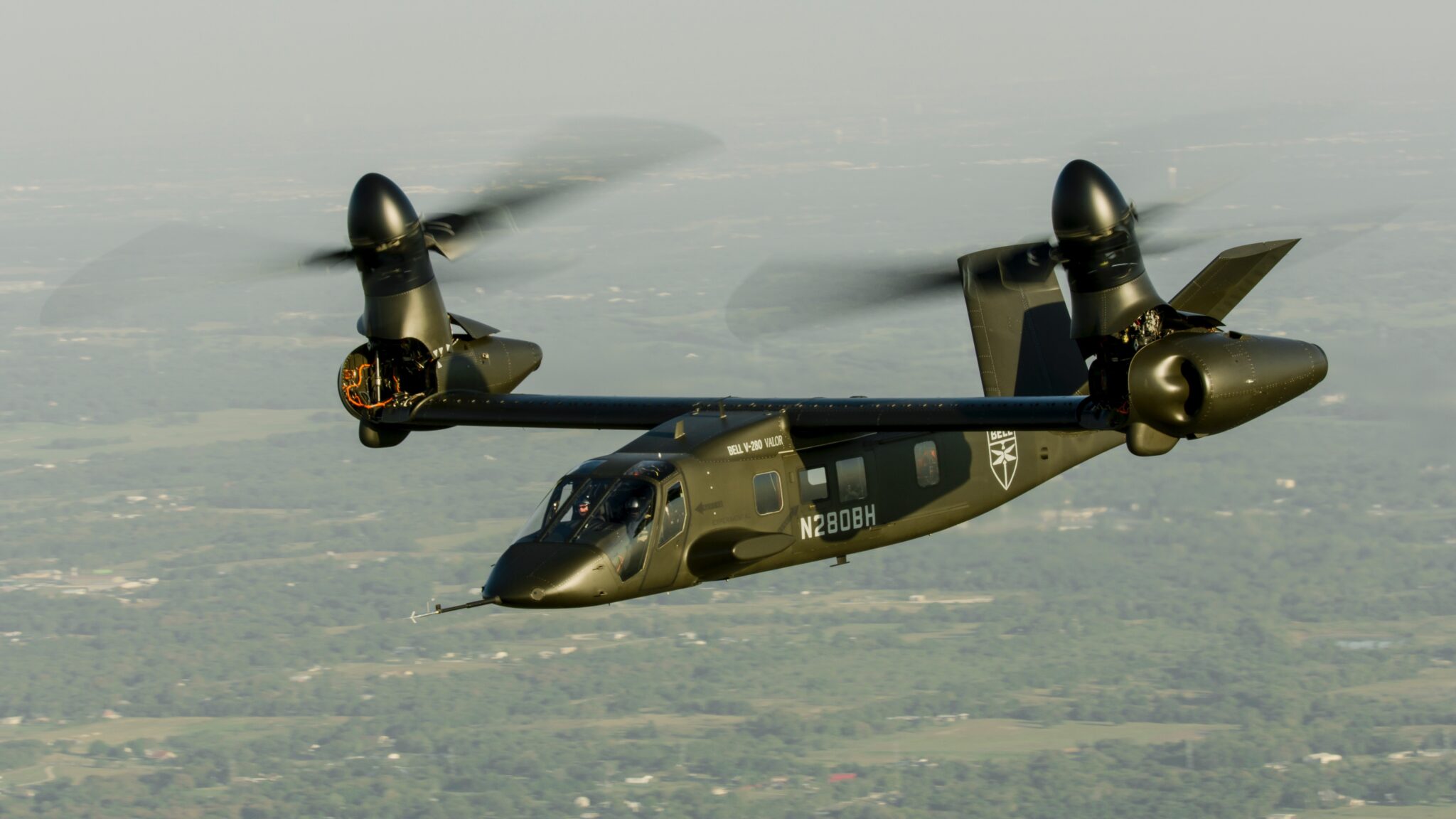
The U.S. Special Operations Command (SOCOM) has achieved a key milestone by persuading the U.S. Army to modify its Future Long Range Assault Aircraft (FLRAA) program, ensuring the aircraft can carry more payload for specialized missions. The collaboration aims to support future SOCOM-specific variants, integrating critical mission equipment seamlessly.
Engineering Analysis Sets the Stage for Future Capabilities
At the SOF Week expo in Tampa, Fla., last week, SOCOM’s Program Executive Office–Rotary Wing (PEO-RW) revealed that it conducted an extensive engineering analysis to understand how to incorporate special mission gear on the FLRAA. The analysis focuses on structural provisions, space allocation, and weight considerations, enabling the aircraft to support the operational needs of elite units like the 160th SOAR, known as the “Nightstalkers.”
Timeline and Anticipated Delivery
According to PEO-RW slides, the comprehensive “SOF design” development is scheduled through 2032, with initial airframes expected to be delivered to the first Army units by that time. However, Army officials recently indicated a desire to accelerate that timeline, aiming for delivery as early as 2028. SOCOM anticipates receiving its first specialized FLRAA platforms around 2036.
Payload Enhancements: A Win for Costs and Capabilities
A key outcome of the engineering effort is the decision to incorporate increased payload capacity into the baseline aircraft. This ensures that each FLRAA built will accommodate the full array of mission equipment needed by the Nightstalkers, reducing future upgrade costs and avoiding the need for costly retrofits. The official involved called this a “huge win” and emphasized the alignment between SOCOM and the Army’s programs, even though SOCOM cannot accelerate the Army’s overall schedule.
Integrating Mission Equipment into the Digital Architecture
Beyond structural modifications, SOCOM’s PEO-RW is advancing efforts to integrate Mission Equipment Packages (MEPs) into the FLRAA’s “digital backbone,” a sophisticated open systems architecture. This includes working with Bell Helicopter, the aircraft manufacturer, on risk reduction activities such as connecting advanced systems like terrain following radar (Silent Knight) to the new digital network.
The work involves adapting existing avionics software into modular applications that can run within the aircraft’s computing environment, allowing mission systems to communicate efficiently without the need for extensive hardware changes. This approach aims to maintain compatibility with the Army’s common avionics architecture while providing SOCOM with customizable mission fit capabilities.
Collaborative Progress Toward Next-Generation Special Operations Aircraft
PEO-RW’s proactive efforts reflect a broader strategy to ensure the FLRAA platform is adaptable and mission-ready for SOCOM’s unique requirements. “We’re working hand-in-hand with the Army but trying to stay ahead on technology integration,” the official stated, highlighting the importance of working “lean forward” on key mission element advancements.
As the program advances, the focus remains on delivering a versatile, cost-effective aircraft capable of supporting the most demanding special operations missions in the future.