Restructured Effort Aims to Overcome Past Challenges
The U.S. Space Force is making significant progress in developing the long-awaited Future Operationally Resilient Ground Evolution (FORGE) command and control (C2) system for its missile warning constellation. Service officials now project full operational capability by 2028, following a series of recent contract awards and a major restructuring in 2023 designed to manage the program’s complexity.
Modular Approach Enables Flexibility
Lt. Col. Dan Groller, SSC’s FORGE materiel leader, emphasized the system’s modular design: “It allows continuous improvements and adaptability to operator needs, integrating new capabilities or sensors.” This flexible architecture aims to ensure the ground system can evolve alongside emerging sensor technologies and threat landscapes.
Recent Contract Awards Drive Development
On May 16, the Space Systems Command (SSC) announced a $244.2 million contract for “Relay Ground Stations,” awarded to Lockheed Martin, Northrop Grumman, and Peraton. These stations will connect the legacy Space Based Infrared System (SBIRS) with upcoming constellations: Next-Generation Overhead Persistent Infrared (Next-Gen OPIR) and the Resilient Missile Warning/Missile Tracking system.
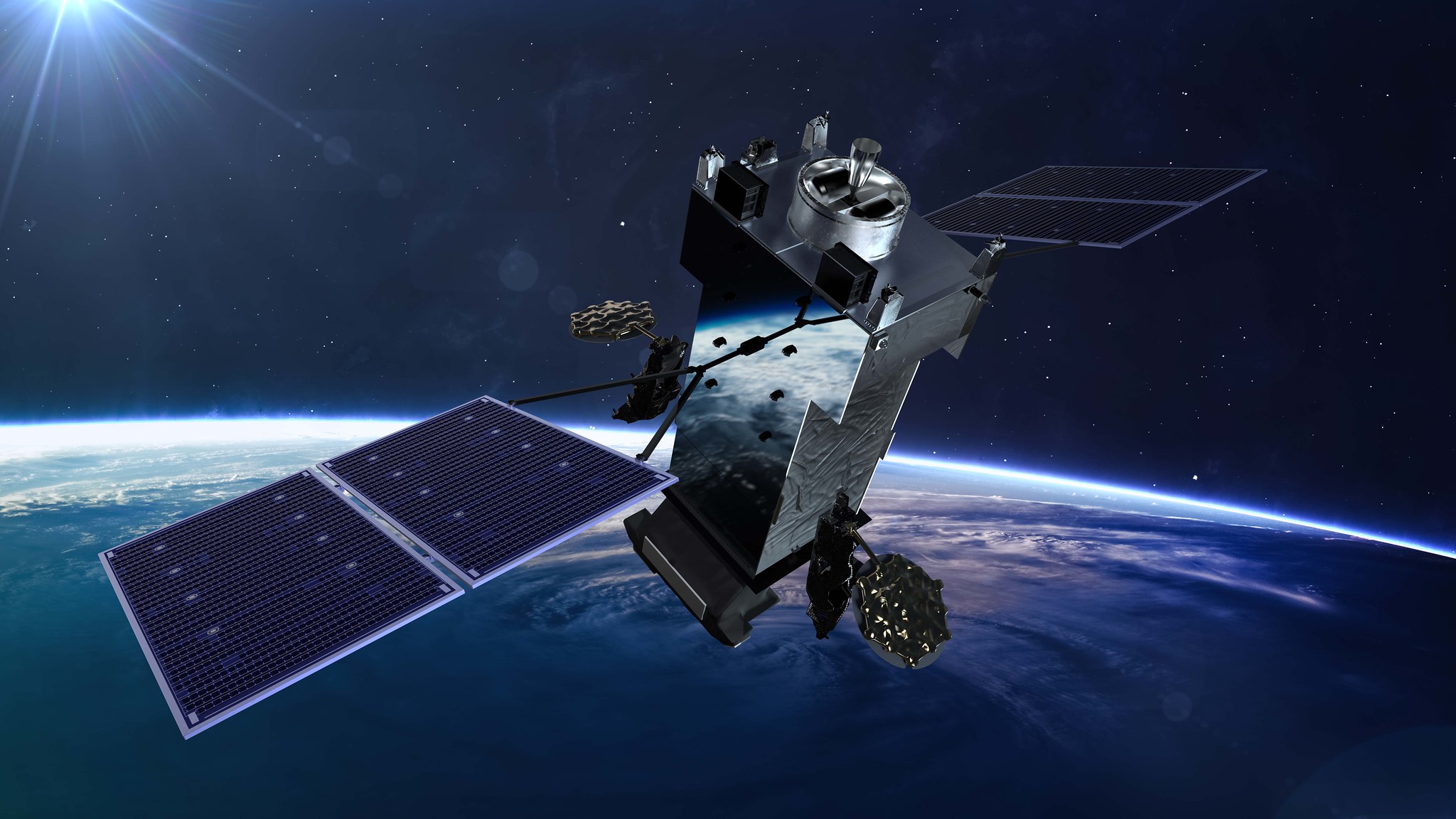
Next-Gen OPIR satellites, expected to include GEO and polar orbit platforms, will replace SBIRS and the Defense Support Program, providing enhanced ballistic missile warning. The Resilient system aims to track hypersonic threats, further bolstering missile defense capabilities.
Additionally, SSC awarded a $259 million contract to SciTec for the FORGE Enterprise Overhead Persistent Infrared Solution (EOS). This platform expands on existing open-source software, supporting mission data processing and integration with new sensors, while also adopting hybrid-cloud architectures to address technical debt and meet growing threat demands.
Progress in Command and Control System Development
BAE Systems was awarded a $151 million contract in March for a Phase 2 prototype of the FORGE C2 system, which will eventually manage missile warning and tracking satellites. The goal is to deliver a government-owned, cyber-secure system capable of mission management, ground control, telemetry, and command for both SBIRS and Next-Gen OPIR systems.
Groller noted that once operational, the FORGE C2 system will fully replace the legacy SBIRS Block 20, becoming the baseline for missile warning and tracking. The targeted completion date for the full C2 suite across all satellite constellations, including Next-Gen Polar and GEO, is set for 2028.
Interim Solutions and Postponed Initiatives
While progress is notable, the first GEO satellite, built by Lockheed Martin, is scheduled for launch in late 2025. The Space Force is developing the Next-Gen Interim Operations (NIO) to provide an interim C2 solution until FORGE is ready, with NIO supporting early mission data processing and command functions.
Plans to develop a mobile variant of FORGE, dubbed E-FORGE, have been shelved due to lack of FY25 funding. Groller explained, “Funding for E-FORGE was deferred to prioritize other Space Force priorities, and no additional funding is planned beyond FY25. The service is exploring a future survivable solution that remains conceptual.”
Outlook
The next few years will be critical as FORGE approaches full operation, replacing legacy systems and enhancing the Space Force’s missile warning capabilities amid evolving threats. Despite delays and funding shifts, the ongoing industrial and technological efforts suggest a determined push to field an advanced, resilient ground system by 2028.