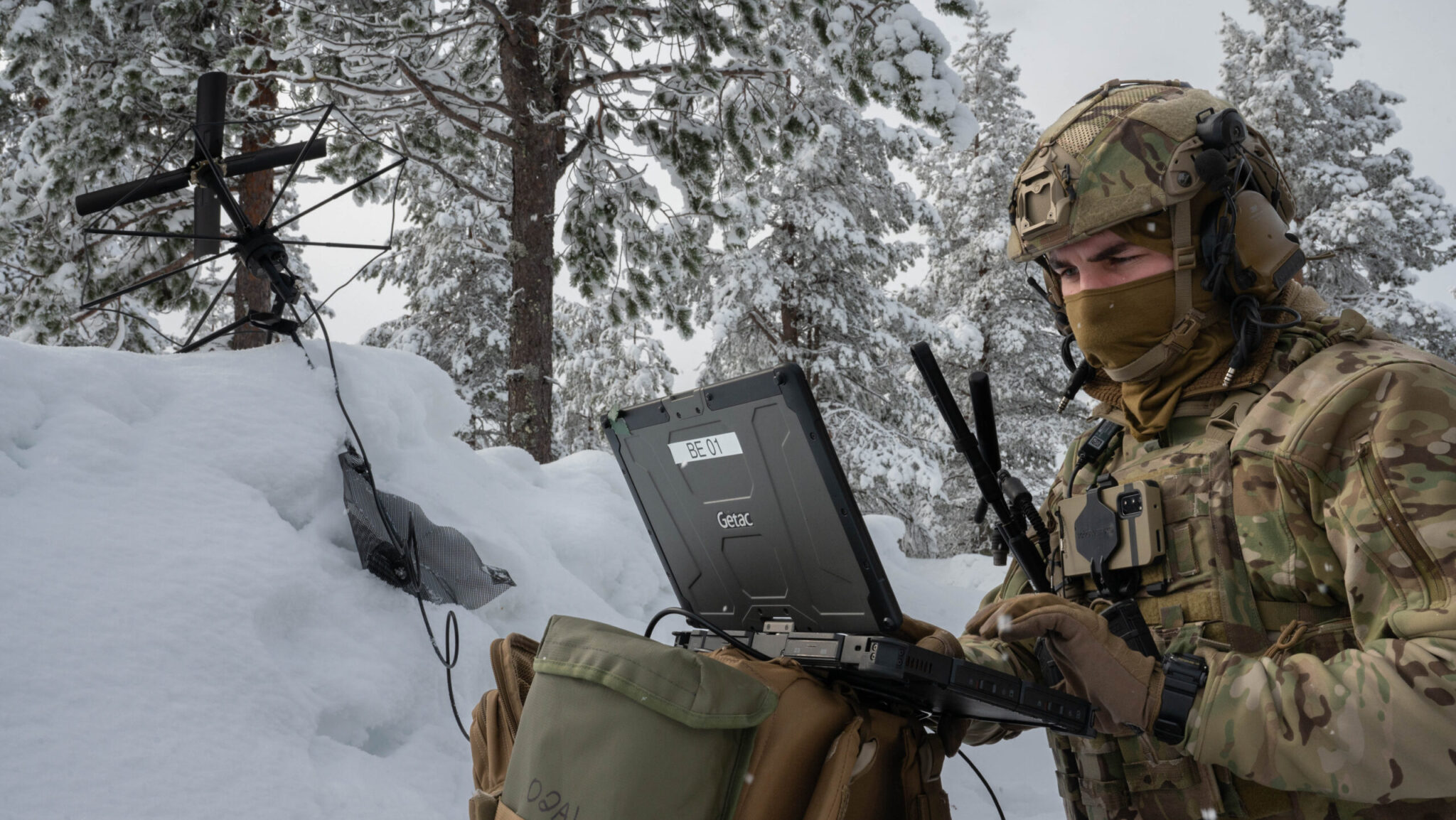
Growing Investments in Space Domain for Better Situational Awareness
NATO is stepping up its efforts to strengthen intelligence gathering and sharing, with a particular emphasis on expanding and protecting space capabilities. During the annual GEOINT conference in St. Louis, Maj. Gen. Paul Lynch, deputy assistant secretary general for intelligence, highlighted the alliance’s commitment to integrating new technologies across all domains — air, land, sea, space, and cyberspace.
Strategic Focus on Space Assets
Lynch, a senior officer from Britain’s Royal Marines, underscored the importance of space to NATO’s security posture: “Space technology underpins many critical functions — navigation, force tracking, robust communications, missile detection, and command and control. NATO must leverage space capabilities while safeguarding them.” He emphasized that enhanced situational awareness in space is fundamental to effective deterrence and defense for all member nations.
Key Initiatives Driving Innovation
NATO is implementing two major programs to boost space-based intelligence:
- Allied Persistent Surveillance from Space (APSS): Launched in 2023, APSS emerged after lessons learned from Ukraine highlighted the importance of remote sensing satellites. Seventeen member countries committed to sharing data from their national surveillance satellites through a virtual constellation, dubbed Aquila, with a total planned investment of $1 billion. In August, NATO signed its first contract with remote sensing firm Planet to support this effort.
- Strategic Space Situational Awareness System (3SAS): Initiated last spring with Luxembourg’s €6.7 million (~$7.5 million) contribution, 3SAS aims to improve NATO’s ability to monitor and anticipate threats in space.
Lynch lauded these initiatives as examples of NATO’s innovative approach to integrating space into its broader capabilities, maintaining information superiority, and enhancing deterrence.
Modernizing Digital and Communications Infrastructure
Beyond space, NATO is working to modernize its digital infrastructure to ensure secure, efficient, and rapid intelligence sharing. Lynch highlighted ongoing efforts to develop a federated, data-centric intelligence architecture “built with security by design,” positioning NATO as a fully integrated all-domain alliance.
Securing Underwater Infrastructure
Maritime security remains a top priority, particularly the protection of critical underwater infrastructure such as telecommunications cables and energy pipelines. Lynch explained that these assets are essential for NATO member economies and operational security, linking Europe and North America.
NATO is deploying advanced technologies — including AI, uncrewed underwater vehicles, specialized sensors, and solar-powered systems — to detect threats and defend this vital infrastructure. As an example, he cited the Baltic Sentry program launched in January, which involves routine patrols in the Baltic Sea to address potential threats and deter destabilizing activities by state actors.
Looking Ahead
With increased investments and innovative initiatives, NATO is positioning itself to better operate across all domains—especially space and maritime environments—ensuring enhanced security and resilience for its member nations in a complex and evolving global threat landscape.