BOLD STEPS IN MILITARY RELATIONSHIPS
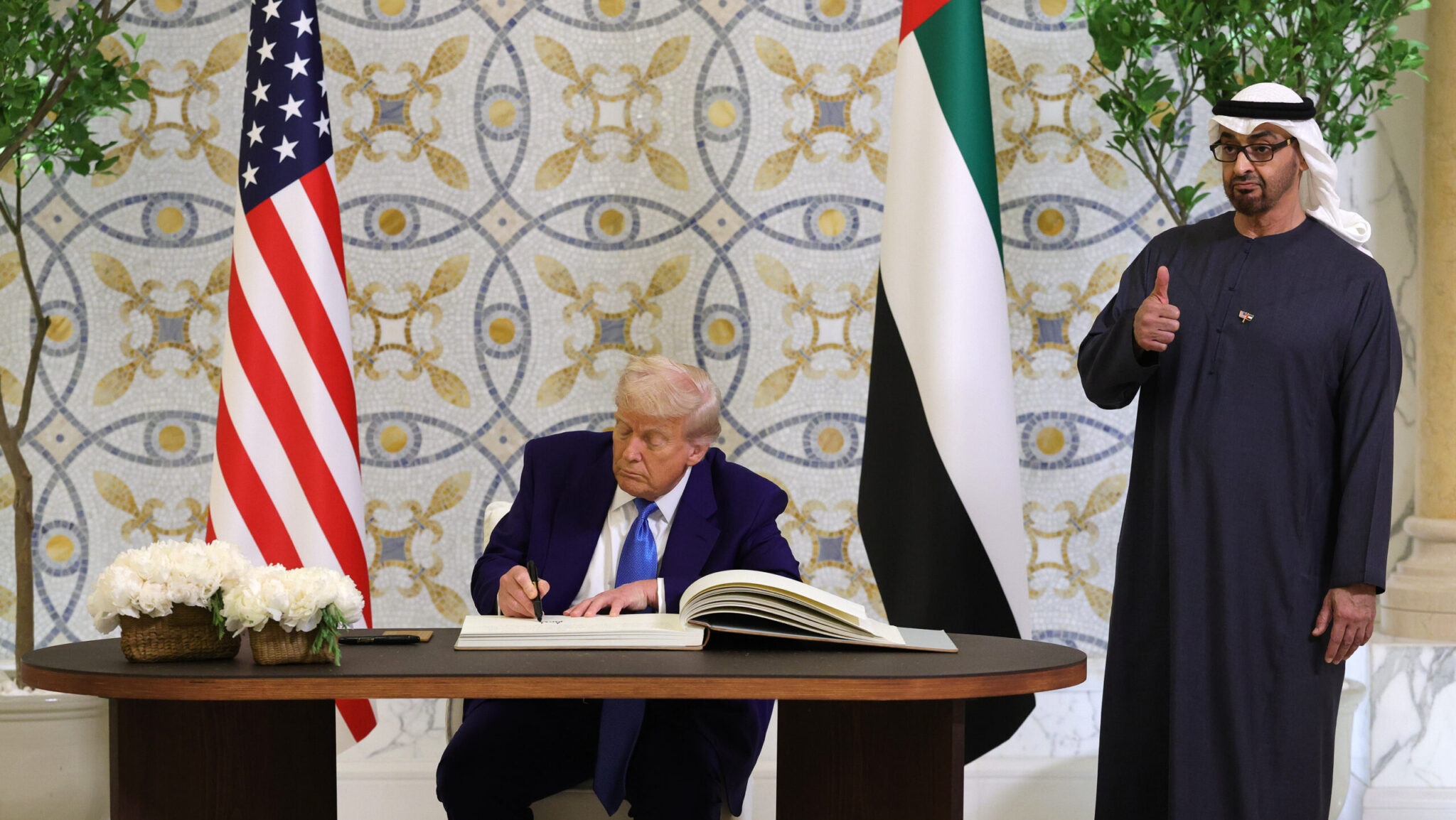
During President Donald Trump’s Middle East visit, a significant milestone was reached in U.S.-UAE military relations. The two nations signed a Letter of Intent (LOI) that officially establishes a “comprehensive U.S.-UAE Major Defense Partnership.” This move marks a new chapter in their strategic alliance, with clear intentions to deepen military cooperation.
SIGNING THE LOI: A Shared Commitment
The LOI was signed on May 16 by UAE’s Minister of State for Defense Affairs Mohammed Mubarak Al Mazrouei and U.S. Secretary of Defense Pete Hegseth, according to a joint statement. This agreement builds upon the Biden administration’s previous designation of the UAE as a major defense partner in September 2022. The signing signals both nations’ commitment to developing a structured roadmap for future cooperation.
A Strategic Framework for Enhanced Military Collaboration
“The LOI represents a shared dedication to craft a comprehensive roadmap guiding increased military-to-military cooperation, joint capability development, and long-term defense alignment,” the statement emphasized. Both countries will explore a phased approach to improve bilateral force readiness, interoperability, and drive innovation in defense collaborations.
New Initiatives to Accelerate Defense Innovation
As part of the partnership, a strategic initiative was launched connecting the U.S. Defense Innovation Unit with the UAE’s Tawazun Council. This joint effort aims to enhance research and development, foster innovation, and strengthen defense partnerships between the two countries.
UAE Joins U.S. Military Cooperative Programs
Another milestone is the formal integration of the UAE into the U.S. National Guard State Partnership Program (SPP). Through a partnership with the Texas National Guard, the SPP will support military modernization efforts and bolster cooperation in areas such as integrated air and missile defense, cybersecurity, disaster response, and operational planning.
Limited Defense Deals and F-35 Negotiations
During Trump’s visit, the UAE secured several defense agreements; however, negotiations regarding a potential F-35 deal did not advance significantly. Analyst Ryan Bohl from the RANE network expects the new partnership to facilitate increased military training and expedite export licenses, potentially allowing the UAE access to some of the U.S.’s advanced military hardware.
IMPLICATIONS FOR U.S.-UAE Ties and F-35 Prospects
Bohl highlights that while the partnership underscores the close U.S.-UAE military relationship, the F-35 fighter jet deal remains complex. “This signals U.S. interest in strengthening military ties without formal mutual defense commitments,” he noted. Approving such a sale requires negotiations involving Israel to preserve its qualitative military edge, and concerns over end-use controls and technology security continue to pose hurdles.
TECHNOLOGY SECURITY AND POLITICAL DYNAMICS
Research analyst Albert Vidal of the IISS points out that the F-35 sale is unlikely to be impacted by the recent partnership, citing ongoing concerns over technology leakage, especially given the UAE’s increasing engagement with Chinese 5G infrastructure. Vidal also notes that Trump’s efforts to facilitate defense sales to Gulf countries are ongoing, exemplified by an executive order signed in April 2025 aimed at easing defense export rules.
OUTLOOK: A Step Toward Closer Military Ties
Overall, the new U.S.-UAE defense partnership reflects a strategic push to deepen military cooperation and modernization efforts. While it opens doors for increased collaboration, significant challenges, particularly concerning advanced fighter jet sales, remain on the horizon. The partnership signifies the U.S.’s intent to maintain a strong military relationship with the UAE, balancing strategic interests with regional security concerns.