Australian Visit Highlights U.S. Focus on Space Competition, Defense Readiness, and Partnerships
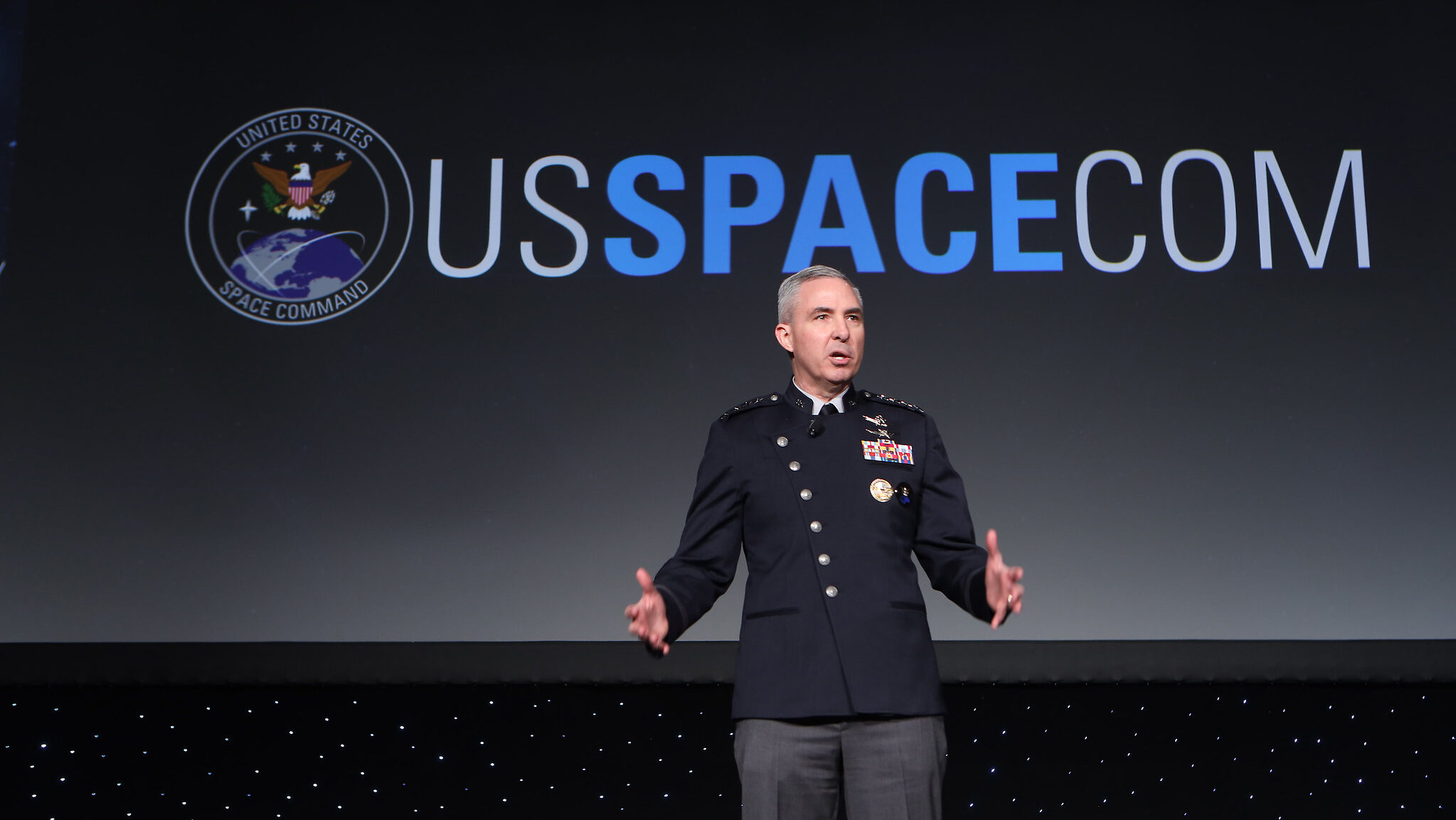
General Stephen Whiting, commander of U.S. Space Command, bears the weighty responsibility of defending American interests in space. From maintaining critical global communications to counterspace operations and offensive measures to neutralize adversaries’ satellites, Whiting’s role is vital in ensuring U.S. military dominance above the Earth.
Currently visiting Australia, Whiting met with Australian defense leaders and industry representatives—including Silentium, a company offering space situational awareness systems in a container—highlighting the importance of international collaboration in space defense. This trip, his only press engagement during a six-day tour in Adelaide’s burgeoning space hub, shed light on key strategic initiatives such as the Golden Dome project, the Commercial Augmented Space Reserve (CASR), and concerns over China’s expanding space capabilities.
Progress on Golden Dome and Space-Based Interception
When asked about the status of cooperation with Northcom on the Golden Dome initiative, Whiting revealed that his team is developing the requirements document, expected to be submitted to the Pentagon within months. While the details involve many stakeholders, including the National Reconnaissance Office (NRO), the focus remains on crafting a system capable of tracking emerging space threats and deploying space-based interceptors.
Whiting emphasized that such interceptors are essential for Golden Dome’s success: “You’ll have to have some, some type of space-based interceptors,” he stated, underscoring their role in deterring and destroying hostile missiles before they reach the U.S. or its allies. Despite concerns from some experts about potential impacts on deterrence, Whiting was firm: “To have a successful Golden Dome, you’ll have to have some… in the architecture.”
Advancing Commercial Space Support and Crisis Triggers
The pilot phase of the CASR program, led by the U.S. Space Force, aims to harness commercial satellite assets for space domain awareness and rapid response. Whiting described a model akin to the Civil Reserve Air Fleet—where civilian companies pre-arranged to assist military efforts during crises—enabling quicker mobilization of commercial spacecraft support in conflict scenarios. As the program matures and adds capabilities, the command will define specific triggers to activate this “space reserve,” with Whiting confirming he would serve as the trigger authority.
Addressing Workforce Challenges in a Changing Pentagon
Whiting also addressed internal challenges, particularly the potential impact of civilian workforce reductions. With 60% of the US Space Command’s personnel being government civilians, he expressed confidence that careful reengineering and prioritization would allow continued mission success. “We know who’s leaving and what functions they perform,” he explained, emphasizing that the current staffing levels are sufficient to meet operational goals, provided smart management continues.
Securing Space Communications in a Jamming-Heavy Environment
Jamming remains a top concern, especially as adversaries like Iran and China develop sophisticated electronic warfare tools. Whiting highlighted the importance of resilient satellite communication (SATCOM), noting the proliferation of low-earth orbit (LEO) constellations adds unprecedented flexibility and coverage—an important advantage given the growth of jamming and anti-satellite tactics. He acknowledged that U.S. systems must adapt through modernization, employing hybrid architectures that combine multiple orbital regimes and frequency bands to maintain connectivity and operational readiness.
Australian Contributions to U.S. Space Capabilities
Australia’s strategic geographic position and developing space infrastructure are increasingly vital. Whiting noted that Australian facilities, such as the recently completed Deep-Space Advanced Radar Capability (DARC), significantly enhance tracking of space objects, especially from geostationary orbit. DARC’s capabilities are vital for countering Chinese and Russian counterspace efforts, which China, in particular, has advanced rapidly.
Growing Threats from China in Space
Whiting shared concerns voiced by defense counterparts, including Brig. Gen. Anthony Mastalir, about China’s assertive use of space assets. He highlighted three key areas of Chinese advancements:
- Building space-based targeting systems to find, fix, and track U.S. and allied forces, enabling effective over-the-horizon strikes.
- Developing counterspace weapons—ranging from cyber attacks and jamming to lasers and anti-satellite missiles—that can threaten existing satellite assets.
- Leveraging space-enabled services to enhance the lethality, precision, and reach of China’s military forces.
Whiting warned that these developments pose a “breathtakingly fast” transformation in space domain warfare, urging continued U.S. investment in resilient systems and international partnerships to counterbalance China’s advances.
Conclusion
Whiting’s visit underscores the growing importance of space as a military frontier—one where technological innovation, alliance building, and strategic planning are essential to maintaining dominance and safeguarding national security. As threats evolve rapidly from nation-states like China and Russia, U.S. Space Command’s leadership remains focused on staying ahead with robust capabilities.