New Leadership from Northrop Grumman to Steer the VC-25B
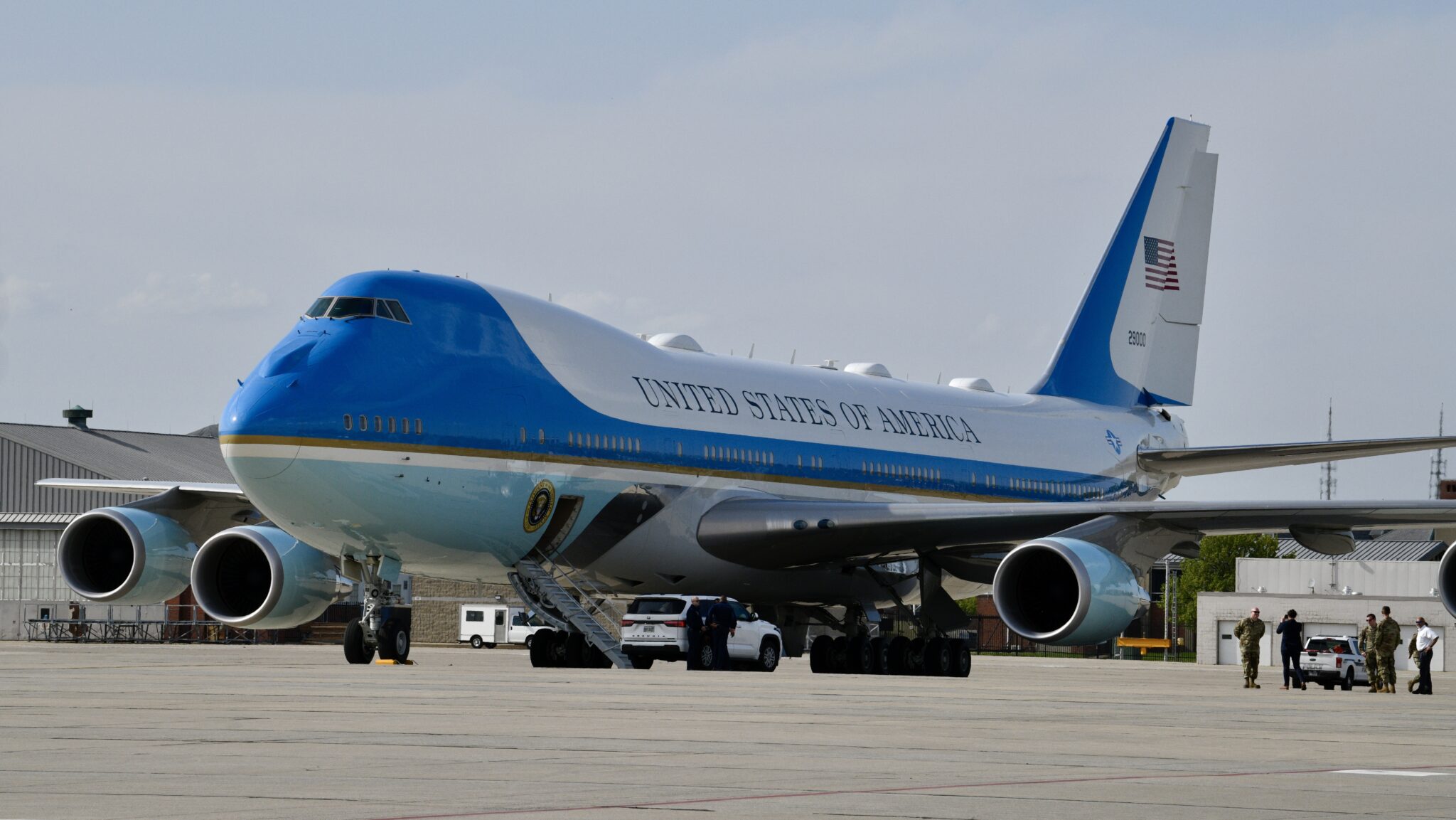
Boeing is appointing Steve Sullivan, formerly vice president of Northrop Grumman’s strike division—best known for leading the development of the B-21 stealth bomber—to take charge of the company’s troubled Air Force One replacement program, according to an internal email obtained by Breaking Defense. Sullivan’s appointment comes amidst ongoing delays and technical challenges plaguing the program.
A Strategic Move to Address Program Challenges
Jamie Burgess, Boeing’s vice president for bombers, mobility, and surveillance, praised Sullivan as a “strategic leader with extensive experience in program management,” highlighting his track record with complex, multi-billion-dollar military aircraft programs like the B-21 and the experimental X-47B drone. Burgess expressed confidence in Sullivan’s leadership to turn around the recently troubled aircraft modification project.
Transition of Leadership
Sullivan replaces Greg Coffey, who took over the VC-25B program in September 2024. Coffey is returning to Boeing’s air dominance division to oversee the development of the next-generation T-7A trainer jet. Burgess credited Coffey with guiding the program through a dynamic period of political and technical changes, emphasizing his critical role in maintaining momentum.
Program Under Scrutiny and Facing Delays
The VC-25B program, intended to deliver new Air Force One aircraft in 2024, has been beset by technical hurdles and cost overruns, prompting questions about its timeline. President Donald Trump, who brokered the original contract in 2018 for $3.9 billion, has expressed urgency to deliver the planes before the end of his term.
Recent statements from Boeing’s interim defense CEO, Steve Parker, suggest that recent adjustments to technical requirements could enable earlier deliveries—potentially before the 2027 date cited by the Air Force in May, or possibly as soon as 2029 based on earlier reports. Parker indicated substantial progress, noting that Boeing has solved many of the design challenges that previously appeared insurmountable.
Additional Developments in the Air Force One Fleet
Meanwhile, reports indicate that Trump is also pushing for the development of a third Air Force One plane, derived from a 747 gifted by Qatar and to be modified by L3Harris. This initiative adds complexity to the ongoing efforts to modernize the presidential fleet, which is under increasing political and technical scrutiny.
As Boeing navigates these hurdles and leadership changes, the future delivery timeline of the next-generation Air Force One remains uncertain, reflecting the high stakes involved in replacing one of the most iconic aircraft in military and presidential history.