A Hot Growth Market Attracts American Companies
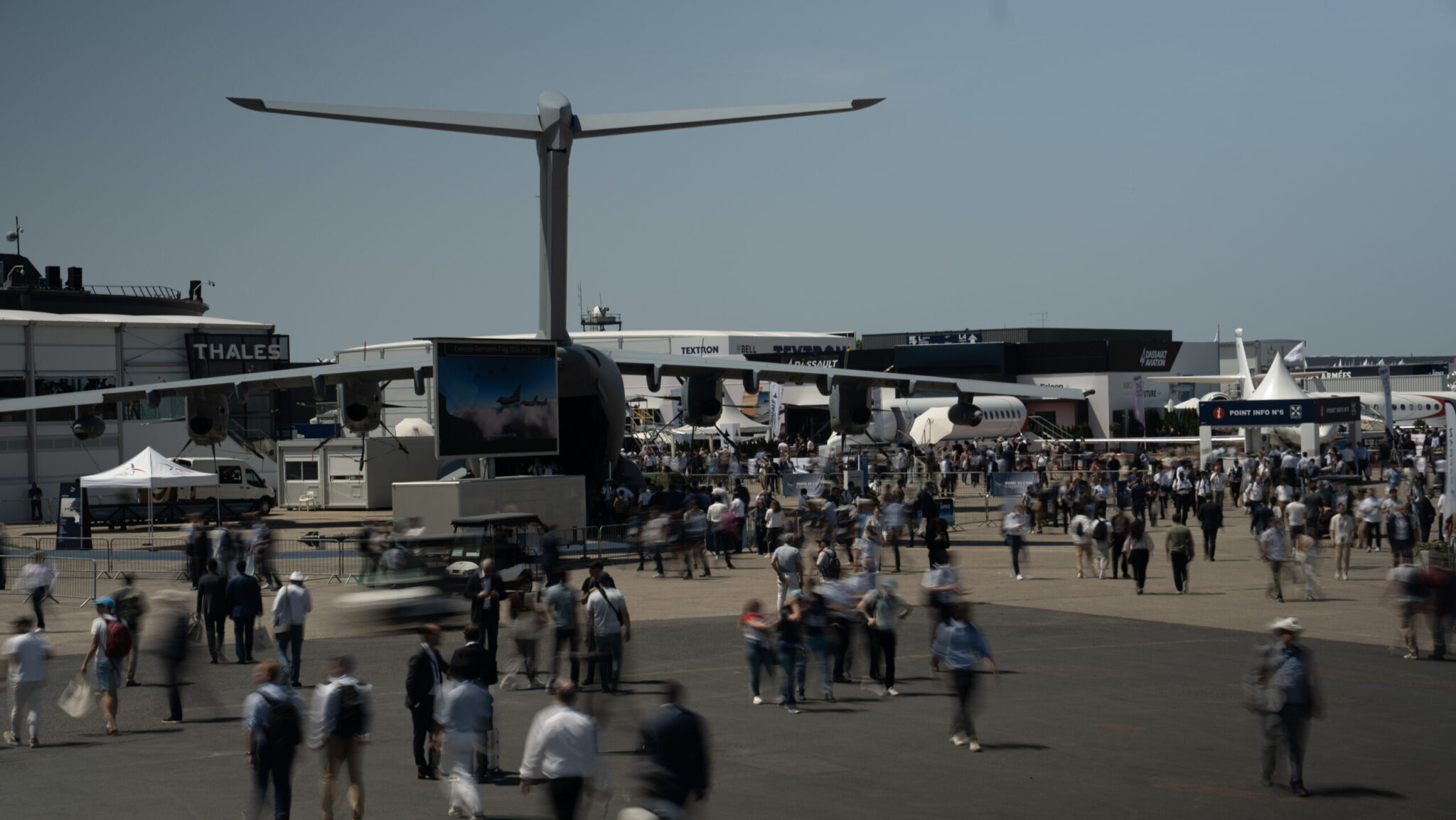
Europe is experiencing a defense spending surge, with nations collectively and individually pouring billions into their military budgets. As Greg Kausner of Anduril explained, the continent is “having a moment,” transforming it into one of the most dynamic growth markets in defense worldwide. At this year’s Paris Air Show, U.S. defense firms eagerly sought to expand their footprints amid the influx of European investments.
Geopolitical Tensions Drive European Localization
However, forging deals in Europe isn’t straightforward. Escalating tensions between Washington and European capitals have led many nations to prioritize domestic production of defense technology to reinforce sovereignty—sometimes even mandating local sourcing. Eric Fanning, CEO of the Aerospace Industries Association, told Breaking Defense that European companies might increasingly favor partnerships within Europe or with countries like India, South Korea, and Japan, potentially pulling away from U.S. alliances.
U.S. Defense Firms’ Strategies: Partner, Localize, and Co-Innovate
Despite these concerns, American companies express confidence and outline adaptive strategies to maintain their presence. They aim to forge more European partnerships, promote flexible teaming arrangements, and establish local development and manufacturing operations. Honeywell Aerospace CEO Jim Currier emphasized “co-innovating” and “producing in the region,” asserting that developing intellectual property locally and having a European-based workforce are key to long-term success.
Growing Funds and Protected Market Opportunities
Multiple European initiatives underscore the expanding market. NATO has adopted a target of 5 percent GDP defense spending, amounting to “trillions” in additional funding. Meanwhile, the EU’s €800 billion ReArm Europe plan includes a €1.5 billion fund for developing the industrial base from 2025 to 2027, though 65 percent of associated procurement must be sourced from European companies.
U.S. firms see multiple pathways to win contracts, from coproduction deals—like Raytheon’s partnership with Norway’s Kongsberg on NASAMS—to joint ventures, as with MBDA. Jasper of Raytheon emphasized the importance of flexible teaming, adapting to each project’s specific context and local economic benefits.
Acquisitions and Local Presence: Honeywell and Startups
Honeywell, for example, acquired Italian navigation systems firm Civitanavi Systems to bolster regional manufacturing and foster indigenous capabilities. Currier stressed that Honeywell operates “like an EU company,” with about 1,000 local engineers and manufacturing operations, emphasizing its long-term commitment rather than opportunistic gains.
Startups like Shield AI and Anduril are also pursuing European growth. Shield AI seeks to expand from Ukraine deployments into broader European markets, leveraging flexible, indigenous IP ownership. Anduril has established a UK subsidiary and partnered with Rheinmetall to develop European versions of its drones and missiles—reflecting an intent to embed deeply within the European defense ecosystem.
Europe’s Self-Reliance and U.S. Industry Challenges
Amid these developments, Europe’s defense investments come at a time of U.S. political tensions. President Trump has pressed European allies to increase their defense spending and hinted at possible troop withdrawals—raising questions about reliance on U.S. military support. Swedish officials like Maj. Gen. Jonas Wikman echoed this sentiment, emphasizing that Europeans need to “take responsibility for our security,” even as they value U.S. partnership.
U.S. lawmakers also voiced cautious optimism. Senators Jerry Moran and Jeanne Shaheen praised the efforts to boost European defense, but warned that geopolitical anxieties could incentivize Europe to develop its own independent industrial base, which might threaten U.S. firms’ market share. Shaheen highlighted that Europe’s defense industry might struggle to meet rising demand without U.S. cooperation, adding the importance of strong transatlantic ties.
Strategic Autonomy Triggers European Self-Reliance
European firms are keen to capitalize on this momentum by promoting sovereignty and reducing dependence on U.S. defense companies. Turkish Aerospace Industries’ CEO, Mehmet Demiroğlu, referenced rumors about “kill switches” in the F-35 as a concern, implying that European countries might prefer domestically produced or more sovereign systems.
Similarly, the development of the European Next Generation Helicopter Engine (ENGHE) exemplifies this drive, with companies from France, Germany, and Italy collaborating on a “100 percent European” engine—aimed at strengthening industrial independence and sovereignty.
The Path Forward
As Europe invests heavily in defense modernization, U.S. companies are strategizing to remain vital partners—through flexible teaming, local manufacturing, and co-innovation. The continent’s push for self-reliance, however, presents both opportunities and challenges, setting the stage for a more complex, competitive transatlantic defense industry landscape in the years to come.