The ambitious Future Combat Air System (FCAS) program, a cornerstone of European defense collaboration, finds itself at a critical juncture following a recent trilateral meeting. While France and Spain publicly reaffirmed their unwavering commitment to the next-generation fighter initiative, a notable silence from key partner Germany has cast a shadow of uncertainty over its future.
Partners Reaffirm Commitment Amidst Lingering Doubts
Following discussions held in Berlin, French defense officials articulated their continued dedication, stating a shared goal to „continue working together on the SCAF [the French acronym for FCAS] to have a future aircraft and air combat system by 2040.” They also highlighted the intention to „study the conditions for moving into a new phase of development of a demonstrator.” This sentiment was echoed by Madrid, which underscored its sustained investment in „European strategic autonomy and major projects such as the FCAS.” The unified message from Paris and Madrid emphasizes a desire to push forward with the complex program.
Germany’s Ominous Reticence
In stark contrast, the German Ministry of Defence refused to provide any details on the meeting’s outcome. „Please understand that the content of yesterday’s discussions will be treated as confidential,” a spokesperson noted, fueling speculation regarding Berlin’s wavering support. This reticence comes against a backdrop of recent reports suggesting Germany might consider scaling back its involvement, potentially limiting cooperation to drone wingman aircraft or a combat cloud rather than the full-scale joint development of a future fighter.
Industrial Rifts Threaten Progress
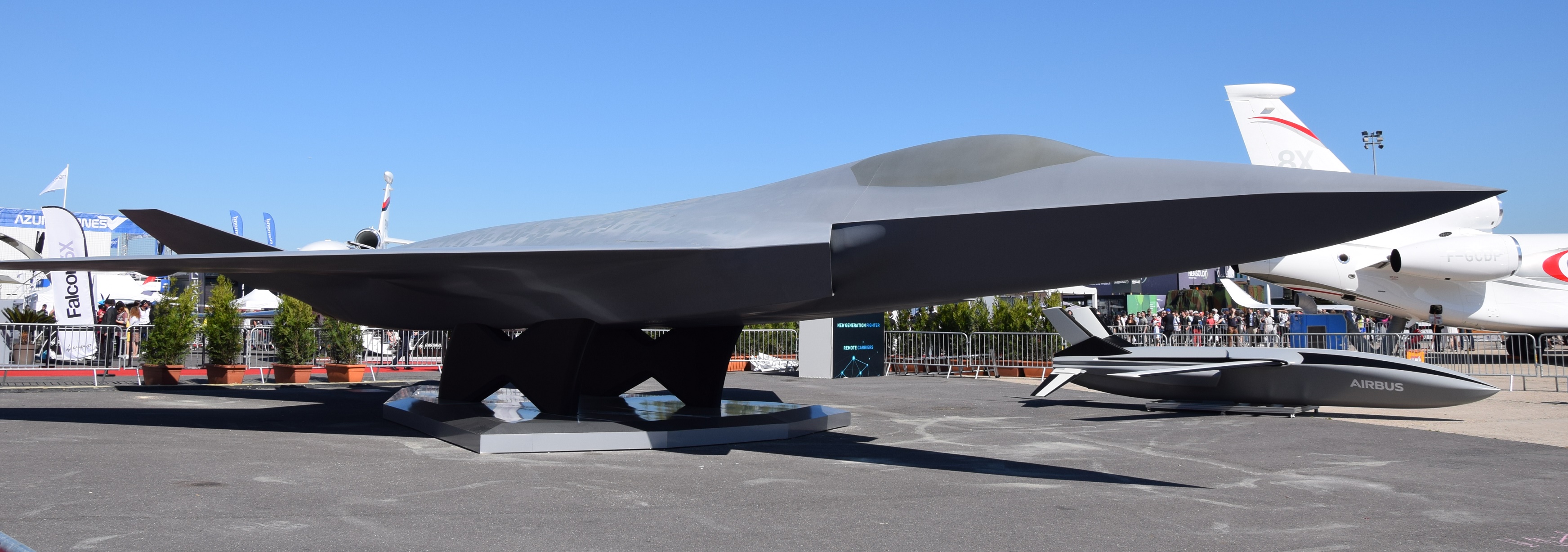
The FCAS program, designed to replace current Eurofighter Typhoon and Rafale jets by 2040, has been plagued by industrial disputes, primarily centered on the New Generation Fighter (NGF) – the piloted jet at the heart of the system. French manufacturer Dassault’s demands for greater control over the NGF’s development, reportedly at the expense of Airbus, have created significant friction. This long-standing disagreement has been further exacerbated by a recent ultimatum from the German workers’ union IG Metall, which reportedly threatened to halt cooperation if Dassault remains part of the project.
Beyond the NGF, the multinational program also encompasses the development of advanced drone wingman aircraft and a sophisticated combat cloud – a digital network designed to seamlessly connect crewed and uncrewed platforms, weapons, and sensors. The inability to resolve the internal industrial wrangling jeopardizes the integrated development of these crucial components.
Crucial Phase 2 at Risk
Despite the public affirmations from France and Spain, the program faces a significant hurdle: the impending FCAS Phase 2. This critical phase, planned for next year, requires a meticulously negotiated contract to allow industry to develop essential technology demonstrators for the NGF, its engine, remote carriers, the combat cloud, and various sensors. If the ongoing industrial infighting is not swiftly resolved, there is a tangible danger that FCAS Phase 2 will be delayed, potentially pushing back the entire program’s timeline and its ambitious 2040 entry-into-service goal. The coming months will be pivotal in determining whether this strategic European defense project can overcome its internal challenges and soar towards its envisioned future.