The year 2025 proved to be a pivotal and often tumultuous period for air warfare, marked by both groundbreaking advancements and significant upheaval across global defense landscapes. From the United States Air Force’s (USAF) ambitious technological strides to leadership shake-ups and intense strategic competition, the past twelve months delivered a complex narrative of innovation, political maneuvering, and steadfast determination in the face of evolving threats.
Next-Generation Dominance Takes Flight: The F-47 Era Begins
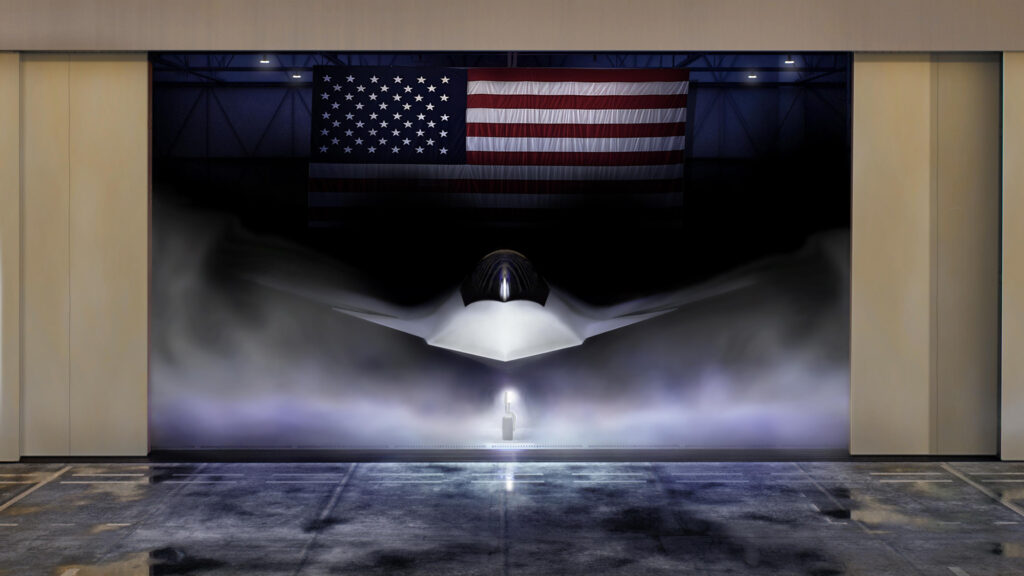
Without a doubt, the most resonant development in air warfare this year was the official award of the Air Force’s Next Generation Air Dominance (NGAD) sixth-generation fighter contract. Boeing emerged victorious, securing the pivotal role in building what is now designated the F-47. Hailed as essential for maintaining air superiority against rising global powers, particularly China, this decision not only injects crucial capabilities into the USAF but also delivered a much-needed boost to the aerospace giant’s defense sector. The contract’s finalization also settled lingering uncertainties from prior administrations, reaffirming the fighter’s critical requirements after extensive analysis.
However, this triumph was not without its strategic ripples. The high-profile embrace of the F-47, celebrated with a presidential Oval Office ceremony, has reportedly stalled progress on the Navy’s own F/A-XX program. Despite strong objections from naval leadership and congressional voices, executive policy has prioritized the F-47, with concerns raised that pushing both programs simultaneously could jeopardize the flagship Air Force project. The F/A-XX now finds itself embroiled in a fierce competition between major defense contractors, awaiting its own definitive path forward.
Shifting Sands at the Top: Leadership in Flux
The year was also characterized by unexpected shifts within the Air Force’s upper echelons. The ousting of the former Chief of Staff caught many by surprise, particularly following a series of high-level dismissals earlier in the year, including the service’s second-highest-ranking officer. Reports indicate that internal discontent over comprehensive reform initiatives contributed to the leadership change.
Amidst intense speculation, General Kenneth Wilsbach, previously slated for retirement after leading Air Combat Command, emerged as a leading candidate for the top post. His journey to confirmation was far from straightforward, reportedly facing initial challenges from an unusual social media campaign that championed another contender. Nevertheless, General Wilsbach ultimately prevailed, securing his confirmation in October and ensuring the service remains under the guidance of a seasoned fighter pilot.
Modernizing the Nuclear Triad: The Sentinel’s Rocky Path
The ambitious Sentinel program, intended to modernize the nation’s intercontinental ballistic missile (ICBM) fleet, continued to navigate a challenging course. Despite lingering questions about the feasibility of extending the life of the current Minuteman III missiles, the Air Force pressed ahead with its transition. A significant milestone occurred with the deactivation of the first Minuteman III silo at a Wyoming base, a move that surprised many critics given the Sentinel’s own programmatic hurdles, including the need to construct hundreds of new silos. This decision has fueled debate, leaving some observers questioning the overarching strategy and clarity of the Air Force’s long-term nuclear modernization plan.
The Fiscal Crucible: Scrutinizing Defense Efficiencies
Beyond direct air warfare developments, the defense budget faced intense scrutiny under a federal initiative aimed at reducing spending. While not directly tied to air combat, the effort to identify and implement „efficiencies” across federal agencies yielded significant financial claims. Defense budget documents for Fiscal Year 2026 reportedly showed $11.1 billion in savings, primarily from cuts to consulting services and travel.
However, the true impact of these budgetary realignments, which the Pentagon suggested could total up to $30 billion, remains a subject of considerable debate. Experts caution that a rapid and often chaotic campaign to shrink government, resulting in the reduction of experienced federal staff, could lead to illusory savings and potentially compromise long-term operational effectiveness rather than genuinely improving efficiency.
F-35: Enduring Pillar Amidst Headwinds
Despite persistent scrutiny and some production challenges, the F-35 Lightning II program demonstrated remarkable resilience throughout 2025. Fears that political figures could erode support for the advanced jet’s procurement proved unfounded, with the Pentagon maintaining steady, albeit slightly adjusted, funding levels for Fiscal Year 2026. Global geopolitical tensions further bolstered international demand, as exemplified by nations like Denmark expanding their F-35 acquisitions.
Even in the face of manufacturing delays and setbacks concerning critical radar upgrades and combat clearance for newly produced jets, Air Force leadership has unequivocally doubled down on the stealth fighter. Recent reports from the service reaffirm the F-35’s indispensable role, describing it as „the foundation of the USAF fighter force structure,” cementing its status as a cornerstone of future air power for years to come.
As 2025 draws to a close, the landscape of air warfare stands as a testament to both rapid technological evolution and the enduring complexities of strategic defense planning. The year’s events underscore a period of profound transition, setting the stage for ongoing advancements and persistent challenges in the pursuit of aerial dominance.