The United States Army is currently undergoing an unprecedented transformation, with sweeping reforms to its acquisition processes and a fundamental reshaping of its operational structure. As these ambitious changes begin to solidify into 2026, the military landscape is bracing for significant shifts, impacting personnel, industry partners, and the very equipment soldiers will carry into future conflicts. The overarching goal: to cut bureaucracy, accelerate technological integration, and deliver advanced capabilities to the front lines faster than ever before.
Streamlining the Acquisition Apparatus
At the heart of the Army’s overhaul is a radical consolidation of its acquisition command. The service has dramatically reduced its footprint by decreasing the number of general officers at its highest echelons and restructuring its formerly complex program executive offices (PEOs). Twelve PEOs, traditionally responsible for acquisition oversight, have been replaced by six streamlined Program Acquisition Executives (PAEs). This move aims to lessen the layers of leadership, combine offices with shared capabilities, and foster greater efficiency.
Each new PAE will feature a Senior Contracting Official (SCO) equipped with enhanced authority to award contracts with unprecedented speed. This mechanism is designed to dismantle previous bottlenecks and simplify engagement for industry partners. „We had previously created a system that was wildly risk averse,” Army Secretary Dan Driscoll recently stated, „and the cost of that risk aversion was being able to get tools into the hands of our soldiers fast enough for them to actually be able to use it.” The military community will closely monitor whether these SCOs can indeed deliver on the promise of expedited contracting and whether the PAEs effectively manage their expanded capability portfolios while fostering closer collaboration with field-level soldiers to refine requirements. Further structural adjustments, such as additional reductions in four-star billets or the downgrading of commands, akin to what occurred with Army Material Command, remain a point of keen observation.
Shifting Sands: New Partners for Progress
Beyond internal restructuring, the Army is signaling a significant shift in its engagement with the defense industrial base. Secretary Driscoll has emphasized a strategic pivot towards forging partnerships with smaller, commercial, Silicon Valley-like vendors, moving away from an exclusive reliance on traditional prime contractors. This initiative seeks to inject innovation and agility into the acquisition process by tapping into a broader talent pool.
The ramifications of this strategy will be closely watched. Observers will be keen to see how vigorously this commitment is pursued, the response from established defense contractors who have long dominated the defense market, and which non-traditional companies will successfully rise to the challenge and integrate into the defense supply chain.
Next-Generation Hardware on the Horizon
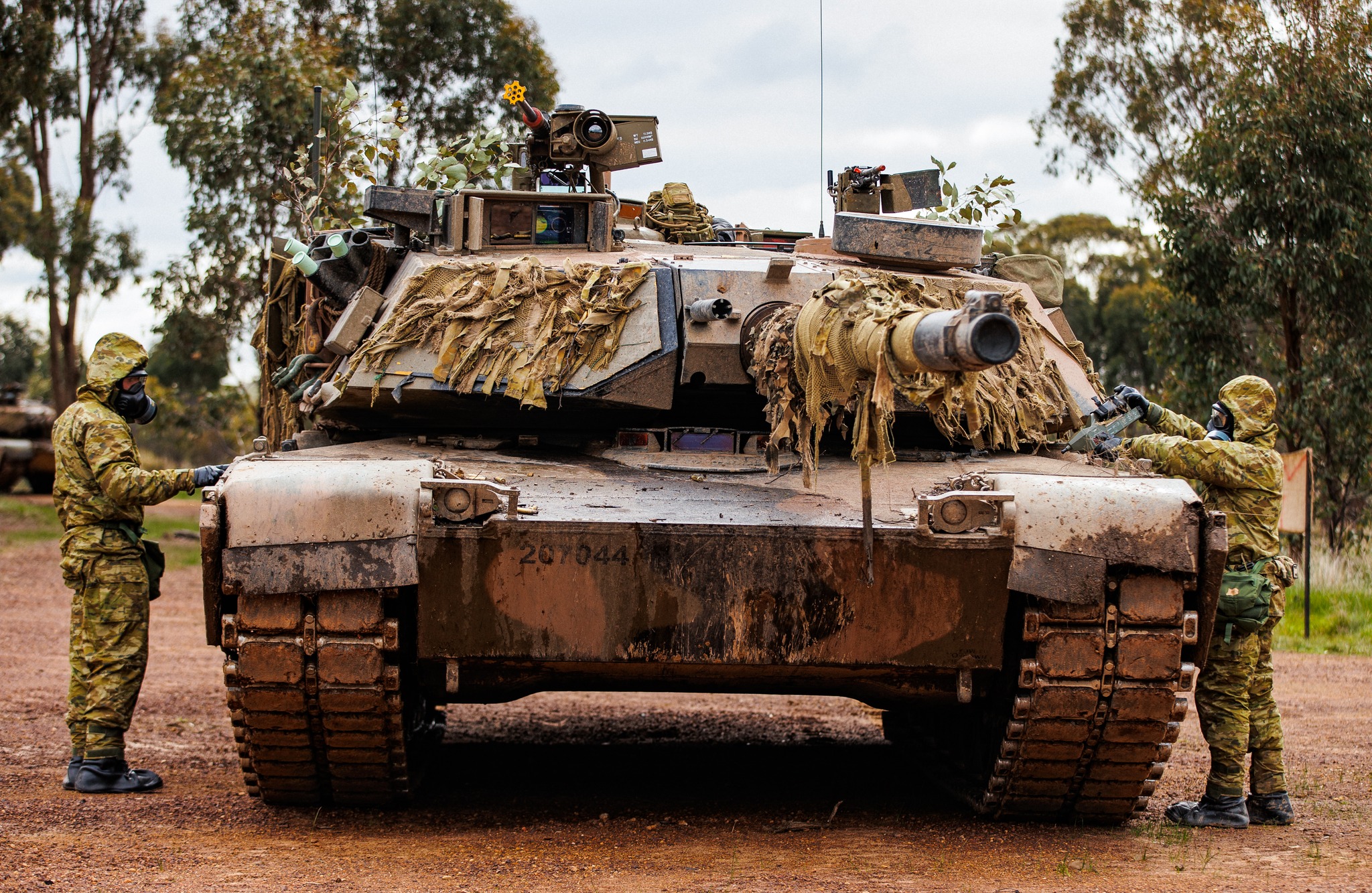
The push for modernization extends directly to the equipment soldiers will utilize. A critical development slated for 2026 is the unveiling of the M1E3 tank, poised to succeed the iconic Abrams. This new platform is expected to leverage commercial industry components, with Secretary Driscoll and Army Chief of Staff Gen. Randy George indicating plans to procure Caterpillar engines for the vehicle. This commercialization strategy aims to accelerate development, with the first prototype anticipated by late 2026—a remarkable five to six years ahead of original projections.
The progress of prototyping efforts for the M1E3, particularly from General Dynamics Land Systems, who are currently developing „pre”-prototypes, will be under intense scrutiny. Furthermore, the extent of commercial vendor involvement in the tank’s development will serve as a key indicator of the Army’s commitment to its new acquisition philosophy.
The Drone Revolution Takes Flight
In addition to ground vehicles, the Army is aggressively pursuing rapid adoption of advanced technologies like drones and counter-drone systems. A groundbreaking initiative announced in November involves the establishment of a dedicated marketplace for these capabilities. This platform is designed to allow military leaders and other agency heads to quickly procure essential drone and counter-drone equipment.
The official launch of this marketplace, the array of vendors participating, and the ease with which military commanders can acquire new assets will be critical data points. This initiative aligns with a broader Pentagon directive, outlined in a recent memo on drone dominance, which calls for every U.S. Army squad to be equipped with small, one-way attack drones by the end of fiscal year 2026. The service’s progress in outfitting units with these drones, the specific types being deployed, their performance metrics, and the distribution across various units will be carefully tracked as the Army embraces the age of autonomous warfare.
As 2026 unfolds, the U.S. Army’s sweeping reforms promise a more agile, technologically advanced, and responsive fighting force. The successful execution of these ambitious plans will be pivotal in shaping the future capabilities and operational readiness of the nation’s land forces.