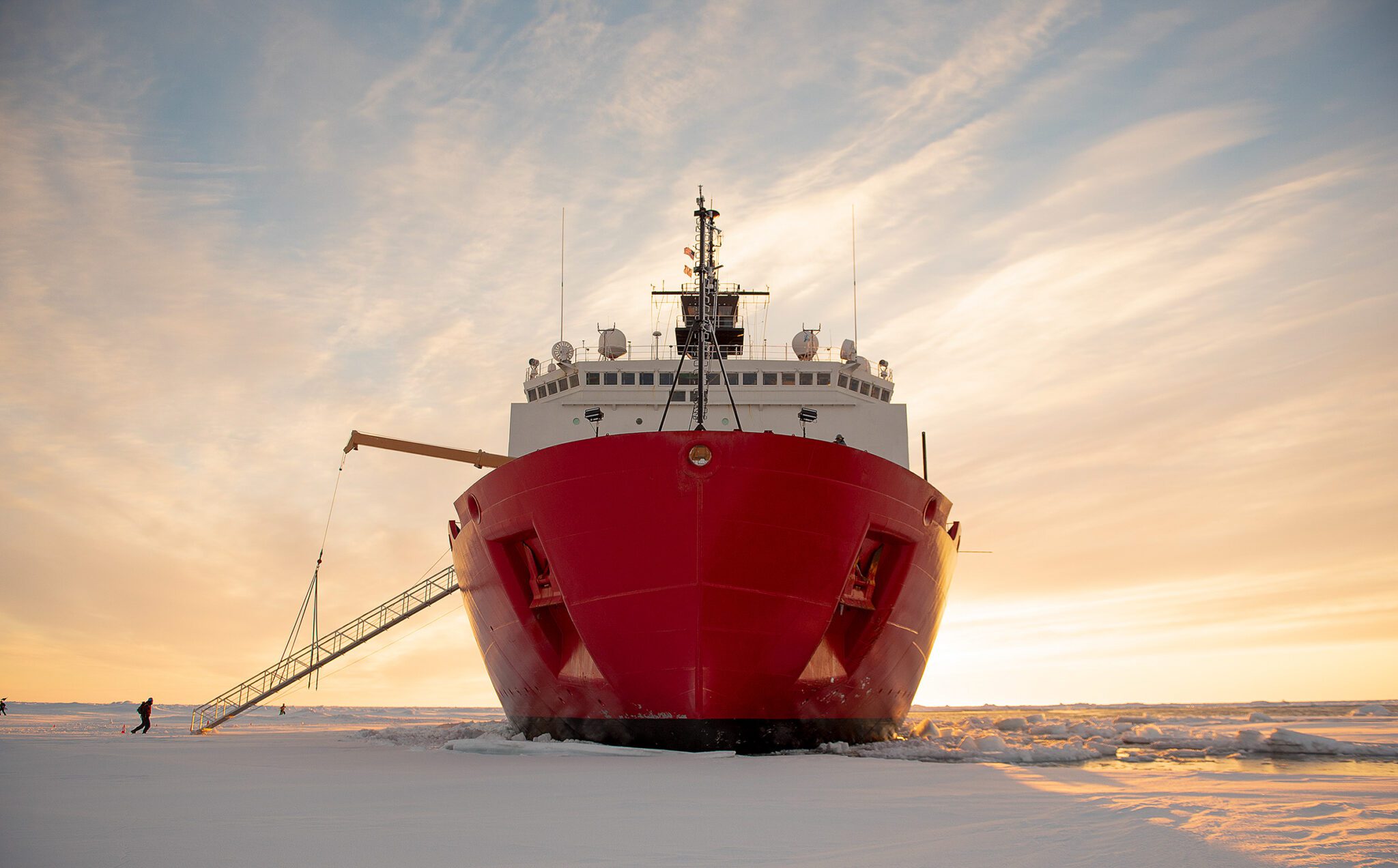
The year 2025 marked a significant turning point for U.S. strategic capabilities in the Arctic, with a substantial push to modernize and expand its icebreaker fleet. Building on bipartisan efforts, the previous administration solidified the „ICE Pact,” a trilateral agreement with Finland and Canada, injecting massive federal funding into the program. This initiative, designed to bolster the icebreaking capacities of all three nations, secured the acquisition of four new vessels from Finnish shipyards and spurred the entry of new players into the American maritime industrial base. However, as the focus shifts to 2026, industry experts caution that the path to a robust icebreaker fleet is fraught with complex challenges that extend far beyond financial investment, touching upon workforce, regulatory hurdles, and sustained political will.
The Long Game of Naval Construction
„Shipbuilding is a long game,” a sentiment frequently echoed by seasoned legislators, underscores the intricate and drawn-out nature of naval construction. While significant capital infusions are vital, they alone cannot resolve deep-seated systemic issues plaguing the U.S. shipbuilding industrial base, as evidenced by persistent delays and cost overruns in critical programs like the Columbia and Virginia-class submarines. The crucial question for 2026 is how new market participants and the demands of unique vessel classes, such as icebreakers, will contend with these entrenched problems that have historically challenged both Navy and Coast Guard shipbuilding efforts.
New Blood in American Shipyards: The Davie Challenge
A notable development on the domestic front is the emergence of Canada’s Davie, a company with a strong reputation for icebreaker construction. Earlier this year, Davie announced its intent to acquire Gulf Copper shipyard facilities in Texas, subject to regulatory approvals, coupled with a substantial $1 billion investment aimed at transforming the site into a state-of-the-art icebreaker construction hub. To spearhead its U.S. operations, the company also established Davie Defense.
Despite Davie’s expertise, the venture faces an uphill battle, primarily concerning workforce development. Icebreakers are highly specialized vessels requiring unique skill sets, and few U.S. shipyards possess extensive experience in their construction. A critical test for Davie in 2026 will be its ability to simultaneously cultivate a skilled workforce and overhaul its new facilities to meet the U.S. Coast Guard’s ambitious production timelines.
Finnish Finesse Meets U.S. Demands
Across the Atlantic, Finnish shipyards are poised to deliver four medium icebreakers to the United States. While these European facilities are not expected to encounter the same workforce shortages experienced in the U.S., they face a different, albeit equally demanding, set of challenges. The U.S. Navy and Coast Guard are notoriously exacting clients, imposing an extensive array of requirements and regulations on vessel construction. While many of these stipulations stem from a commitment to safety and preventing past tragedies, they add significant complexity to the building process. The shipbuilding industry will be closely observing whether Finnish shipbuilders, renowned for their expertise, can effectively navigate this stringent American regulatory environment and uphold their reputation for quality and efficiency under external dictates.
Bollinger’s Burden: Sustaining Political Will
Domestically, Bollinger Shipyards, a well-established Louisiana-based builder, is set to play a pivotal role, contributing to both the medium security cutters and the larger Polar Security Cutters. Unlike Davie, Bollinger boasts a long track record within the U.S. and extensive experience dealing with the intricacies of the federal government’s regulatory landscape.
However, the challenge for Bollinger, and indeed for the Coast Guard’s broader ambition to significantly expand its fleet, lies in securing consistent political and economic commitment. The successful execution of two such high-profile and costly shipbuilding programs demands unwavering support from both the legislative and executive branches. The political winds can shift quickly, and sustaining the necessary resolve over the multi-year construction cycles will be a paramount concern for 2026 and beyond.
The Persistent Shadow of Underfunding
The underlying narrative through all these developments remains the enduring fragility of the American shipbuilding sector. Industry experts frequently highlight that the persistent problems encountered in U.S. naval construction are not merely contemporary issues but rather the cumulative result of years of inadequate funding and insufficient attention. As the spotlight temporarily shone on icebreakers in 2025, the inherent challenges of shipbuilding – irrespective of the vessel type – are immutable. These systemic issues demand sustained focus and strategic investment to ensure America can build the maritime capabilities it requires for its future security.