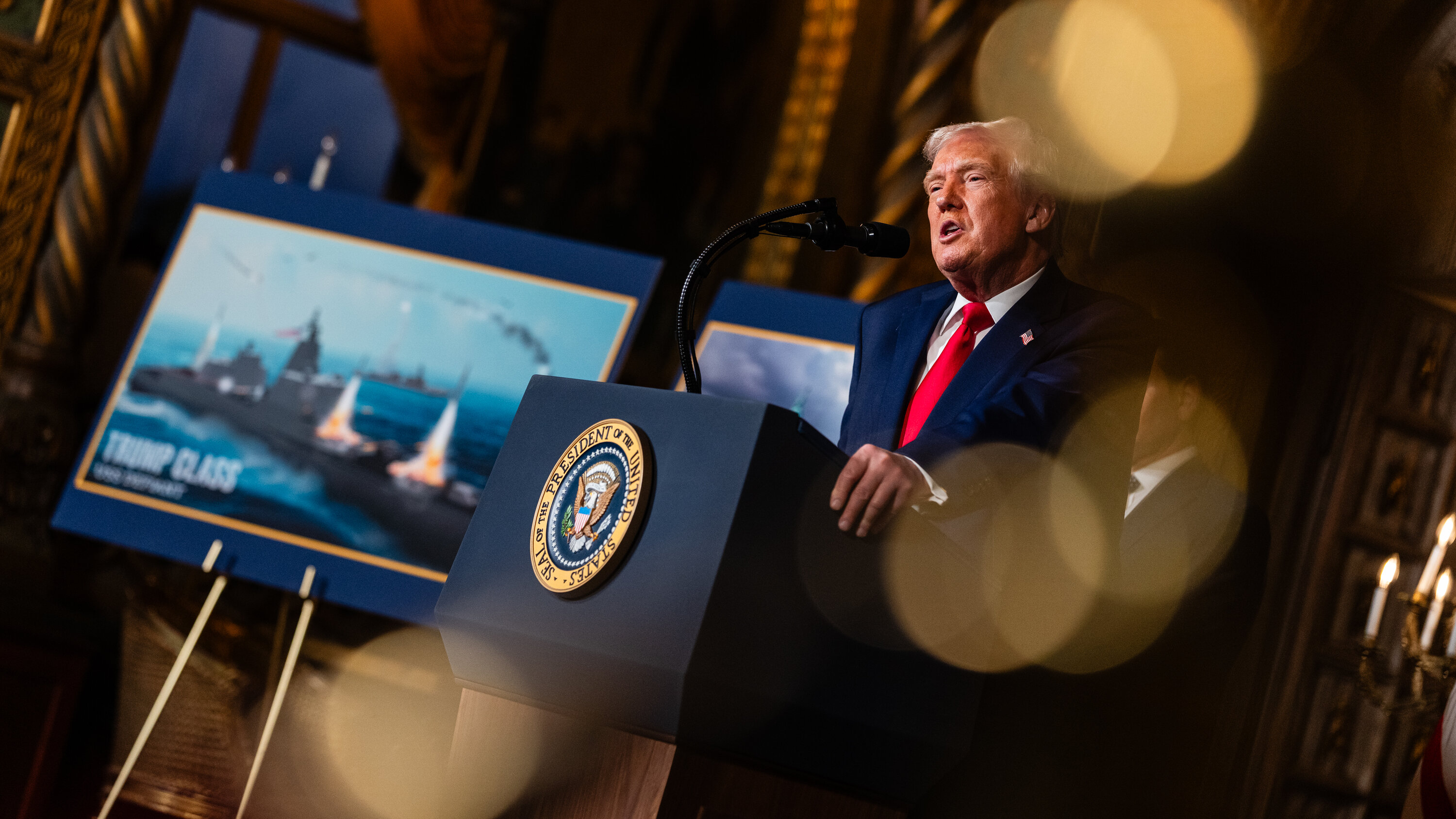
The ambitious vision for a new era of American naval power, spearheaded by what has been dubbed the „Trump-class” battleship, comes with an astronomical price tag. Recent projections from the Congressional Budget Office (CBO) reveal that the lead vessel in this proposed fleet could command an initial cost exceeding $21 billion if ordered today, potentially creeping towards $22 billion by 2030. These figures ignite a crucial debate about the future of naval procurement and the financial feasibility of next-generation warships.
The Golden Fleet’s Golden Price Tag According to analysis presented by a CBO national security division expert, the initial battleship’s cost could range from $14.3 billion to $20.6 billion based on current orders. This variability is tied to the ultimate displacement of the ship and the specific historical warship models used for assessment. Should the Navy defer the order until 2030, the price escalates further, with estimates climbing from $15.1 billion to $21.6 billion for the first vessel.
The CBO’s findings also shed light on the cost of subsequent ships. Follow-on battleships could cost between $9 billion and $13 billion each if ordered immediately, a figure that could rise to $10 billion to $15 billion per vessel if the first order is delayed for another six years. These projections underscore the immense financial commitment required for the White House’s „Golden Fleet” concept, first announced by President Donald Trump in December, aimed at solidifying U.S. naval dominance.
Unpacking the Bill: Factors Driving the Price The ultimate cost of these colossal warships is subject to a complex interplay of design choices and economic realities. A graphic unveiled by Navy officials showcased a ship design displacing over 35,000 tons, bristling with an advanced arsenal including nuclear cruise missiles, hypersonic missiles, vertical launch systems, conventional guns, laser weapons, and railguns. Each of these high-tech components contributes significantly to the final expenditure.
While modern shipbuilding techniques and a simplified design could offer avenues for cost reduction, even leading to a potentially cheaper build per unit of weight for armored vessels, other factors loom large. The CBO highlights potential cost escalations stemming from workforce challenges, supply chain disruptions, and the inherent difficulties in integrating cutting-edge sensors and a diverse suite of new weapons. Furthermore, enhanced survivability features, such as increased compartmentalization or internal structure, could further inflate the budget compared to current Navy surface combatants.
A Vision of Naval Power vs. Economic Reality The CBO’s detailed cost analysis arrives as many critical design elements for the battleship program remain undecided. These decisions will ultimately shape the final price tag and the capabilities of the fleet. The challenge for naval planners and policymakers will be to balance the ambitious technological vision for unparalleled naval power with the economic realities of such a monumental investment. As the Navy prepares to embark on this potentially multi-trillion-dollar endeavor, the debate over cost-effectiveness and strategic necessity is only just beginning.