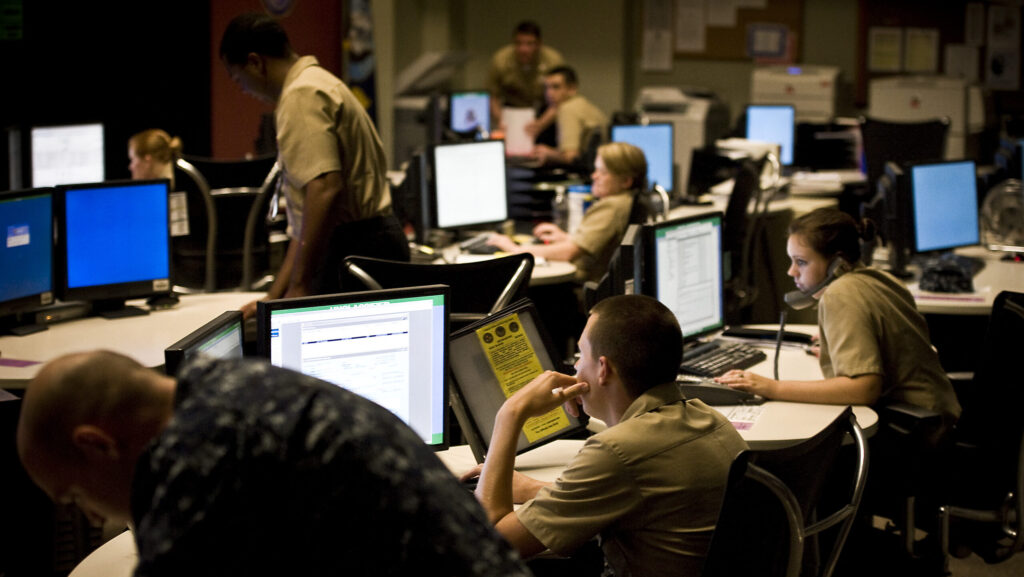
Fears over how adversary nations leverage artificial intelligence are a primary driver behind a sweeping overhaul of how the Department of Defense provides and trains its cyber warriors. This fundamental recalibration is essential to keep pace with the rapidly evolving threats in the digital domain.
AI’s Shadow: The New Frontier of Digital Warfare
Pentagon officials emphasize that the importance of technology in shaping the cyber domain has grown exponentially in recent years. Artificial intelligence, in particular, is fundamentally altering adversary behavior and the operational dynamics within this space. Ensuring that training can keep up with the speed of the cyber domain has become an urgent imperative, superseding traditional, often slower, models of training and force generation.
This vision is an integral part of the recently released Cyber Command 2.0 plan, which aims to better attract and train the department’s cyber specialists.
CYBERCOM 2.0: A Comprehensive Blueprint for the Future
Since its inception, the cyber mission force has been plagued by readiness concerns and suffered from members cycling in and out of cyber operations roles back to their respective services. This resulted in wasted funds allocated for training these high-end operators.
The current timing is deemed optimal for implementing the CYBERCOM 2.0 plan, representing one of the most significant changes in the command’s 15-year history. The past five to seven years have provided the department with crucial operational experience, enabling the force to build and mature to a basic trained level necessary for the operational tempo demanded by the cyber domain. This period has been rich in lessons learned, regarding both talent cultivation and process improvement, as adversary behavior has shifted, necessitating a similar adaptation from the defense.
Learning from Experience: From Readiness Gaps to Strategic Solutions
A critical aspect of the initiative’s success is a deepening understanding of the threats posed by adversaries, the growing importance of cyber in any future conflict, and the necessity of possessing a profound set of technical skills to succeed.
The CYBERCOM 2.0 plan addresses these pain points through a „comprehensive” approach to force generation. The goal is a fundamental reimagining of the entire talent management model, not merely solving a singular issue. This holistic vision is considered essential for building the required cyber talent and enjoys strong support across the department for its implementation.
Officials reject the notion that the plan is merely „status quo-plus,” arguing that it comprehensively examines, through 97 lines of effort, the entire talent management process to holistically and fundamentally change the development of cyber warriors.
A Two-Pronged Approach: Speed and Systemic Change
The process has benefited from a „unified campaign” from the outset, with significant involvement from both the command and the services. This collaboration is crucial, as buy-in is required from the services, which remain responsible for providing the right number of personnel for initial training. The implementation plan was collaboratively developed, and the services have been engaged from the beginning, participating in all working groups to ensure the necessary lethality and deep specialization of talent are built into the force.
The department is adopting a two-pronged approach to the implementation plan to ensure rapid results, while some of the more institutional changes will likely take five or more years to come to fruition. This begins with drafting the foundational policy guidance necessary for quickly adopting these changes, thereby setting the new operational rules for the cyber force. Simultaneously, a set of pilot programs has been identified to test innovative approaches to career paths, training, and incentives. These programs will facilitate rapid learning and adoption of best practices, allowing for broader scaling across the force. The overarching objective is to move at speed through a deliberate and well-structured process.