A New Frontier in Intelligence: The 1,000-Kilometer Mandate
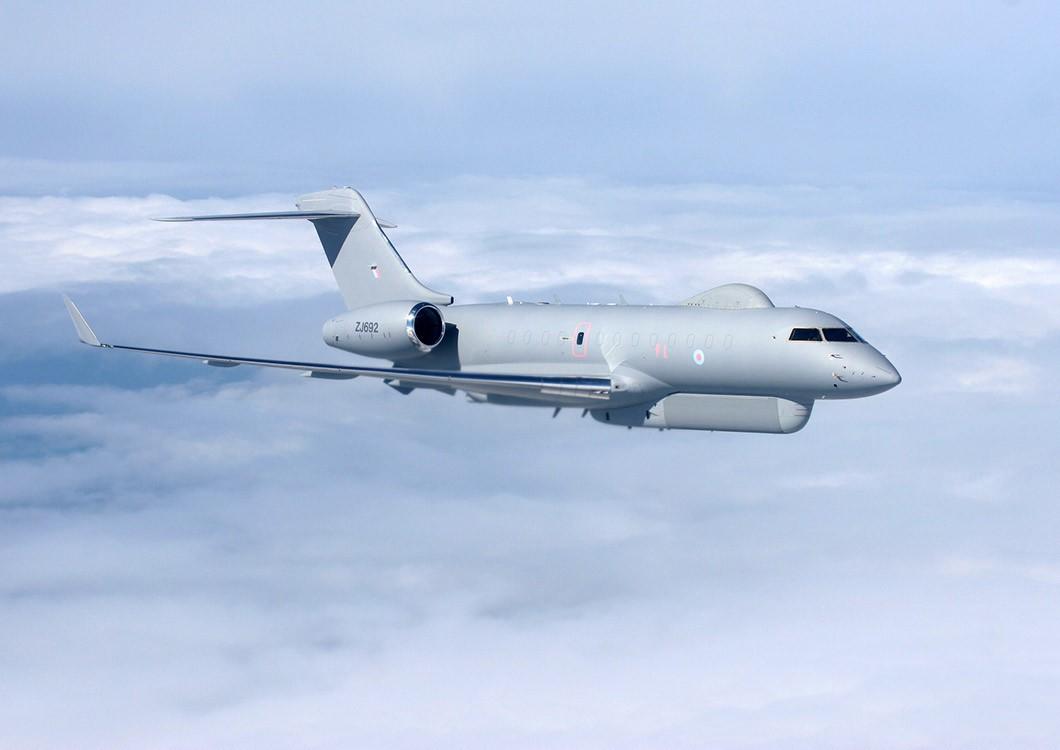
The United States Army is moving at flank speed to revolutionize its aerial surveillance capabilities, with plans to award contracts in the coming months for „ultra long-range” launched effects. These advanced systems are designed to outfit the future HADES (High Accuracy Detection and Exploitation System) fleet, providing the military with a deep-look reconnaissance capability that was once considered the stuff of science fiction.
Senior officials from the Strategy & Transformation Office (G-2) revealed that the initial phase will focus on short-term experimentation contracts, setting the stage for a major demonstration later this year. The ultimate goal is to field systems capable of traveling up to 1,000 kilometers (620 miles), ensuring that US forces can identify and exploit targets from a safe and strategic distance.
The „Teams-of-Teams” Doctrine: Disrupting the Defense Monopoly
In a move that signals a departure from traditional procurement, the Army is doubling down on a „teams-of-teams” approach. This strategy aims to foster a hyper-competitive environment where multiple vendors—ranging from established defense giants to agile tech startups—work in parallel. The objective is to ensure the Department of War is never „beholden” to a single contractor, keeping the door open for continuous innovation.
This philosophy has already taken root in major programs like the M1E3 tank and Next-Generation Command and Control. By involving smaller, non-traditional vendors, the Army is tapping into „breakthrough technologies” driven by firms whose survival depends on delivering high-impact results. This mix of „the bigs” who can scale and „the smalls” who can disrupt is viewed as the fastest path to military superiority.
Unconstrained Innovation: Aiming Further and Cheaper
The 1,000 km range requirement serves as a catalyst for industry creativity. Rather than setting rigid objective criteria that might limit potential, the Army is challenging vendors to deliver their best possible products without artificial constraints. Early feedback suggests that the technology is already proving to be „further than expected” while potentially lowering overall acquisition costs.
The roadmap to operational capability is clear and aggressive. Short-term experimental contracts will lead to ground-based testing, with the transition to air-launched effects expected within a year. As the global security landscape grows increasingly complex, military leadership remains adamant that getting this technology right is not just a priority, but a necessity for national security.