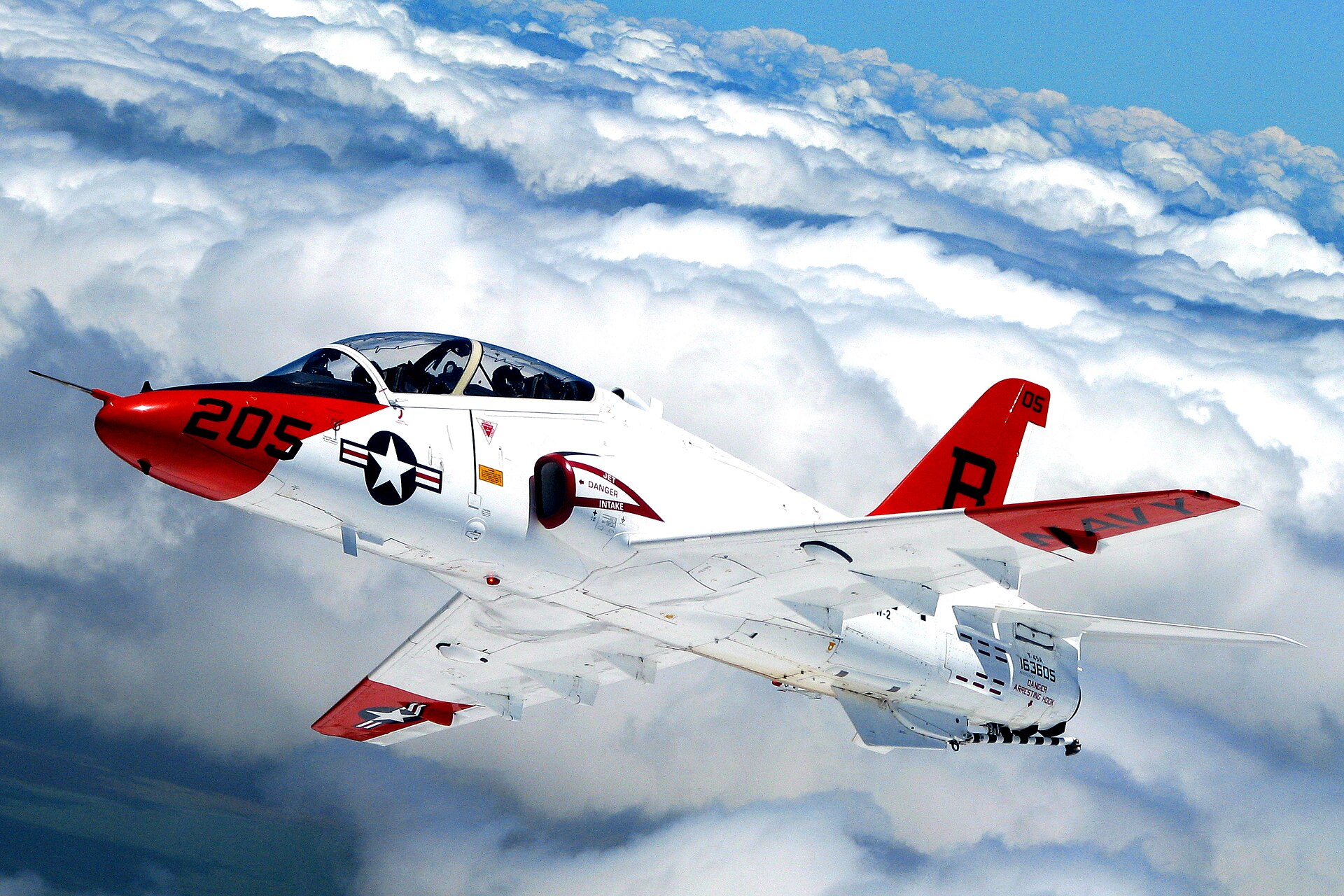
In a strategic maneuver that has recalibrated the defense landscape, Lockheed Martin has officially withdrawn from the U.S. Navy’s Undergraduate Jet Training System (UJTS) competition. The world’s leading defense contractor’s decision to bypass the solicitation for the next-generation trainer leaves a narrowed field of just three contenders vying for a multi-billion dollar contract.
Strategic Realignment Over Technical Constraints
Lockheed Martin was widely expected to bid the TF-50N, a platform developed alongside Korea Aerospace Industries (KAI). However, following a comprehensive internal audit of the Navy’s final requirements, the company determined that its offering would not be the „best solution” for the program. Key factors behind the withdrawal include stringent requirements regarding U.S.-based manufacturing content and specific performance benchmarks that complicated the viability of the TF-50N proposal.
Replacing the Goshawk: A Pivot to High-Tech Simulation
The UJTS program aims to replace the aging T-45 Goshawk, the Navy’s long-serving trainer. With an anticipated order of up to 216 aircraft and an engineering and manufacturing development cap set at $1.8 billion, the stakes are high. Notably, the Navy’s new requirements signal a tactical shift: the future trainer will not be required to perform physical carrier landings. Instead, the service is prioritizing „unique aircraft simulation capabilities,” allowing pilots to master the art of carrier operations through digital systems rather than physical arrestments on deck.
The Remaining Contenders and the Budgetary Tightrope
Lockheed’s exit leaves Textron Aviation Defense (partnered with Leonardo), SNC, and Boeing as the primary finalists. While some executives are touting their aircraft as „proven and mature” solutions ready for the flight line, others are signaling caution. Industry leaders have raised concerns over the Navy’s strict budgetary ceiling, suggesting that funding constraints in the initial years of development could pose a significant hurdle for the next generation of naval aviation training. For the remaining bidders, the challenge is now to deliver a high-performance jet within a highly disciplined financial framework.