



















A $270 Million Strategic Leap in Aerial Intelligence
US Air Forces Central (AFCENT) has entered into a massive agreement with Kraus Hamdani Aerospace to procure long-range, solar-powered scout drones. The contract, carrying a potential ceiling of $270 million, represents a major expansion for the California-based firm, dwarfing all its previous military awards. This investment underscores the Pentagon’s intensifying focus on integrating platforms capable of persistent battlefield presence without the staggering logistical and financial burdens associated with traditional aircraft.
Bird-Inspired AI and Solar Power: The 75-Hour Flight Milestone
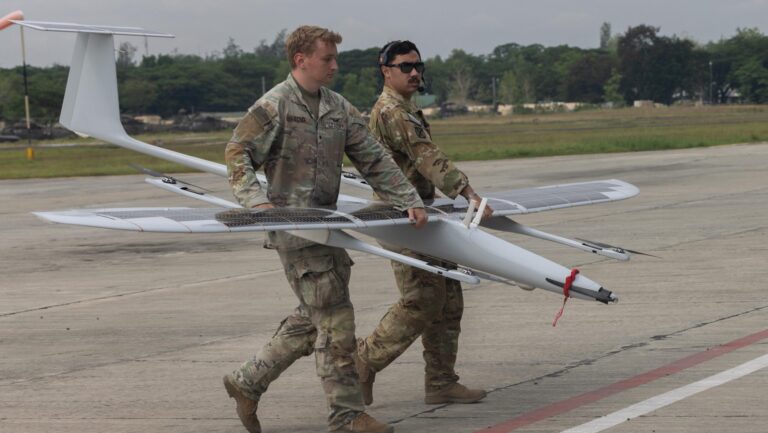
At the heart of this deal is the K1000ULE drone, a marvel of modern engineering that recently shattered endurance records with a continuous 75-hour flight. Light enough to be carried by a two-man team and launched from the back of an SUV, the aircraft utilizes a sophisticated combination of solar panels and high-capacity batteries. Its onboard AI manages flight patterns inspired by the soaring techniques of birds, allowing the drone to conserve energy and operate effectively in the world’s harshest environments—from the scorching deserts of Oman to the humid landscapes of the Philippines.
Combat-Proven Innovation: Learning from the Ukrainian Front
The technology powering these drones is not merely a laboratory success; it is being refined by real-world data from the frontlines in Ukraine. Kraus Hamdani engineers have been actively updating autopilot algorithms based on combat experiences against Russian forces. This rapid feedback loop ensures that the software remains resilient against electronic warfare, turning the K1000ULE into an agile surveillance asset that provides critical real-time intelligence while remaining significantly more difficult to intercept than larger, conventional platforms.
A Pivot in Attrition Warfare: Moving Beyond the Expensive „Reaper”
The timing of this announcement highlights a broader shift in US military doctrine. Following the recent loss of multiple high-cost MQ-9 Reaper drones and the inherent risks to manned aircraft in contested environments, the Pentagon is pivoting toward more affordable, persistent, and „attritable” systems. As the cost of losing a single large-scale platform reaches tens of millions of dollars, the transition to solar-powered drones capable of multi-day missions represents a vital tactical and financial evolution for the future of global air operations.





