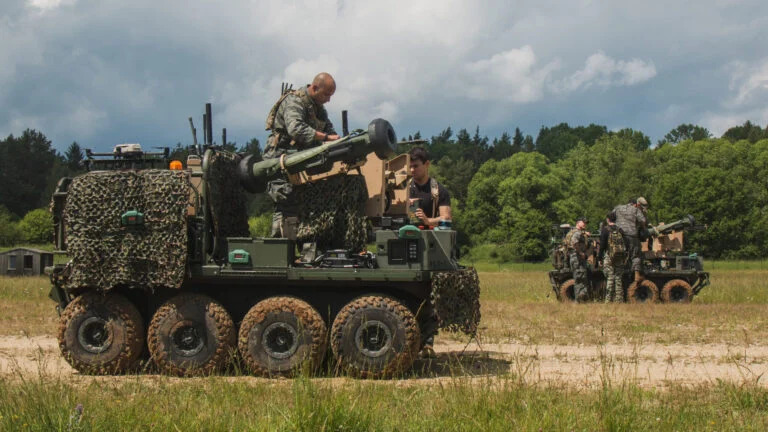
The U.S. Army is fundamentally reshaping its approach to modern warfare with the establishment of the Capability Program Executive Office for Mission Autonomy (CPE Mission Autonomy). Rather than focusing on procurement of hardware, this new central hub is designed to serve as the connective tissue for all unmanned operations, seamlessly linking drones and ground robotics into a unified tactical network.
Defining Intent: The Transition to System-of-Systems
The core philosophy of CPE Mission Autonomy is the integration of isolated platforms into „capability packages.” This approach allows commanders to task autonomous formations much like they would a manned unit. The goal is to evolve beyond remotely piloted tools toward systems capable of understanding human intent—planning, executing, and adjusting mission parameters dynamically as battlefield conditions shift.
The Vanguard of Automation: Engineering and Resupply
The initial rollout of these autonomous packages targets high-risk operational areas, with combat engineering at the top of the priority list. Traditionally considered one of the military’s most hazardous roles, tasks such as breaching obstacles and shaping terrain are now being transitioned to autonomous systems to safeguard personnel during ground assaults.
Secondary priorities include fires and sustainment. In the realm of fires, the Army is leveraging mature algorithms for automated target recognition to speed up the kill chain. In terms of logistics, the focus has shifted to „contested resupply.” Recognizing that exposed movements in modern conflicts are high-priority targets, the Army is developing autonomous ship-to-shore and ground robots to move supplies and conduct casualty evacuations (CASEVAC) in environments where traditional assets, like helicopters, face extreme risk.
Software Sovereignty: Breaking Proprietary Chains
A critical pillar of this new strategy is the enforcement of an open architecture. By demanding open APIs from industry partners, CPE Mission Autonomy aims to eliminate the constraints of proprietary software that have historically slowed down technological adoption. This strategic pivot ensures that the Army can onboard new payloads and platforms in a matter of days, maintaining a rapid pace of innovation that outmatches evolving threats on the global stage.