Modern warfare is no longer confined to distant front lines. Today, victory depends on a fragile combination of ethical algorithms, next-generation undersea sensors, and, more critically than ever, the ability to protect the „fortress” at home against hybrid attacks targeting power, water, and communications.
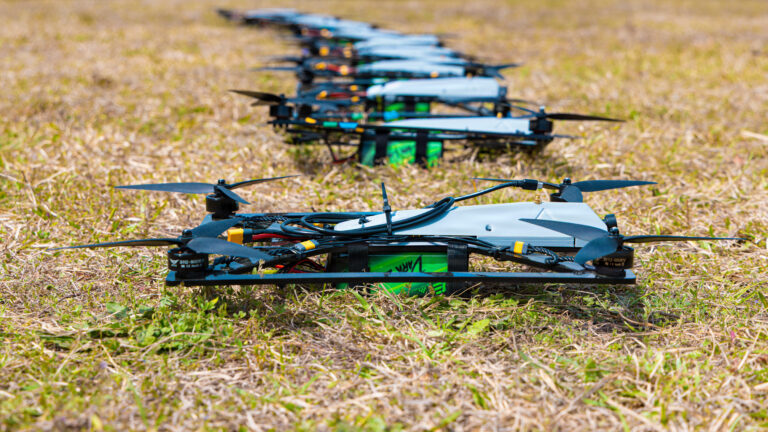
Sabotage at the Source: When War Begins at the Home Base A new defense philosophy is taking shape: the recognition that force projection—the journey from „fort to port”—is the weakest link. Recent crisis simulations have revealed alarming scenarios where elite units are paralyzed before even leaving their home stations. Cyberattacks on water systems causing outbreaks, drone swarms targeting electric grids, and the severing of fiber-optic lines represent the new reality of asymmetric conflict.
The primary challenge remains the military’s dependence on civilian infrastructure owned by private companies. In a crisis, reaction speed is dictated by collaboration with local utility providers. Lessons learned from theaters like Ukraine demonstrate that drones can be concealed and delivered discreetly behind enemy lines, transforming domestic logistics into an active battlefield.
Depths and Skies: „Lego” Technology and the Stockpile Crisis While home bases fortify, in maritime theaters like the Indo-Pacific, the hunt for silent submarines reaches new levels of complexity. Innovation is now modular; „Open Buoy” systems allow sensor updates in months, turning sonobuoy tubes into intelligent network nodes. However, heavy hardware lags behind: ASW frigate construction programs are facing years of delays due to design instability.
In the skies, F-35 jets are being equipped with JASSM-ER cruise missiles, but success depends on stockpiles. The massive expenditure of ammunition in current conflicts has led to lead times of up to four years, forcing nations to reevaluate the resilience of their supply chains.
Reality Check: Algorithms vs. Human Accountability In this hyper-technological landscape, military leaders are demanding a „reality check” for Artificial Intelligence. While the goal is to create a new breed of warrior—the „combat-ready PhD” or the „geek with a gun”—lethal decisions will never be left solely to computer code.
The essence of war remains subject to the Law of Armed Conflict, which demands distinction and proportionality—attributes no machine can possess. Machines cannot be held accountable, and no algorithm can predict the „black swan” events inherent in the chaos of the battlefield.
The Limits of Naval Power at Strategic Chokepoints All these technological advances collide with the physical limits of the fleet. In high-tension zones like the Strait of Hormuz, the capacity to escort commercial vessels is stretched to the breaking point. Instead of risky interventions in mined waters, strategy is shifting toward effective blockades that force diplomatic negotiations. The future of security no longer belongs solely to the one with the largest army, but to the one who can most intelligently navigate the space between digital innovation and the physical vulnerability of their own infrastructure.