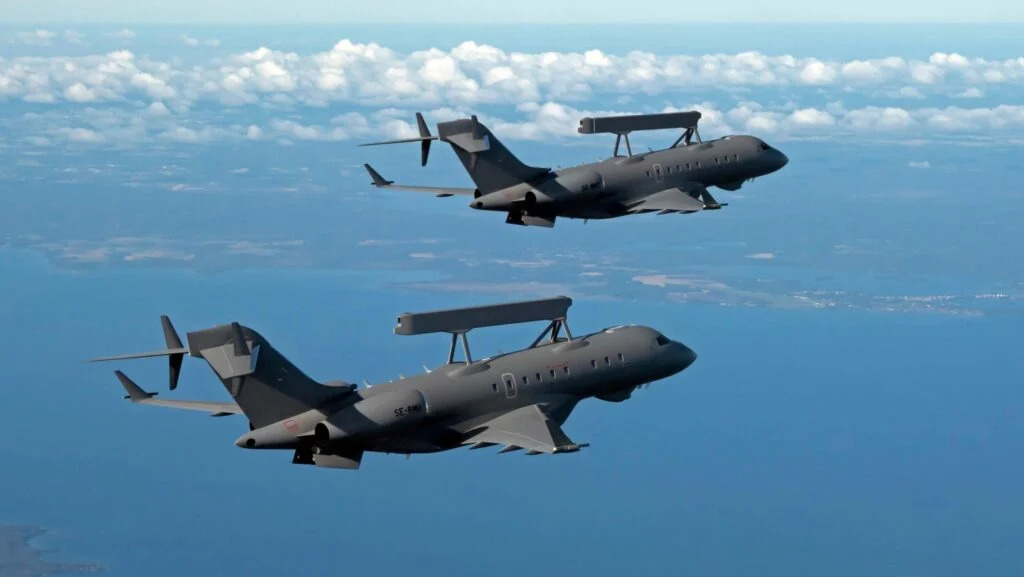
In a decisive move to bolster its northern sovereignty, Canada has officially entered negotiations with Sweden’s Saab for the procurement of the GlobalEye airborne early warning and control (AEW&C) aircraft. Announced by Prime Minister Mark Carney at the CANSEC defense trade show, the selection of Saab as the “preferred supplier” marks a pivotal moment for the nation’s future surveillance and defense capabilities.
A Sovereign Foundation: Swedish Tech Meets Canadian Engineering
The cornerstone of the Saab proposal is a unique synergy between international innovation and domestic industry. The GlobalEye system is built upon the Canadian-made Bombardier Global 6500 business jet, integrating Sweden’s advanced extended-range radar and multi-domain command-and-control systems.
This strategic choice aims to do more than just upgrade the fleet; it is designed to fertilize the domestic defense sector. By promising a full transfer of technology and knowledge, the partnership ensures that Canadian firms will be central to the construction, maintenance, and long-term evolution of these high-tech assets.
Neutralizing Modern Threats in High-Stakes Environments
As global tensions rise, the Royal Canadian Air Force requires advanced tools to monitor the vast and challenging Arctic landscape. The GlobalEye is engineered to detect elusive targets at extreme ranges, including stealth aircraft, drones, and the emerging threat of hypersonic missiles.
With plans to acquire approximately half a dozen aircraft, Canada is poised to become the third international operator of the system. This procurement has become a cornerstone of the current administration’s defense policy, prioritizing long-range tracking in environments defined by heavy electronic jamming.
Defense Geopolitics: The Grip of Stockholm vs. Washington
The selection of the GlobalEye carries significant weight in the geopolitical arena, as it bypassed American-led bids from Boeing and L3Harris. This shift comes amid a complex diplomatic climate between Prime Minister Carney and the U.S. administration, signaling a potential diversification of Canada’s strategic alliances.
The implications may extend beyond surveillance. Saab remains optimistic that the GlobalEye deal will serve as a Trojan horse for the Gripen fighter jet, potentially challenging the F-35’s dominance in the Canadian market. Backed by high-level Swedish diplomacy, including royal visits to Ottawa, the message is clear: the Canada-Sweden defense axis is becoming a formidable reality in the global security landscape.