A massive investment in the future of fighter aviation
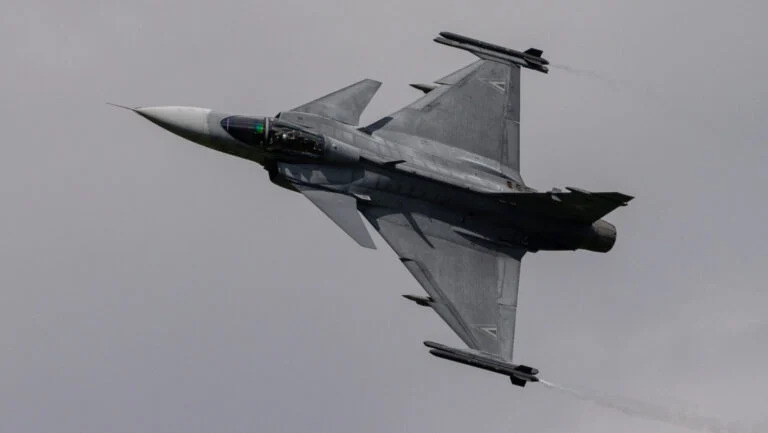
Sweden has officially confirmed a historic agreement under which Ukraine will order up to 20 Saab Gripen E/F fighter jets, while simultaneously receiving a substantial donation of 16 previous-generation Gripen C/D aircraft. This strategic move, valued at approximately $2.9 billion, will be funded through the European Union’s Ukraine Support Loan. The announcement, made in the presence of President Volodymyr Zelenskyy and Prime Minister Ulf Kristersson, marks a decisive stage in the transformation of the Ukrainian Air Force from a Soviet-era fleet into a modern one, compatible with NATO standards.
Beyond the delivery of the aircraft, the assistance package includes an impressive arsenal of advanced munitions. These include IRIS-T missiles, AMRAAMs, and the formidable long-range METEOR air-to-air missiles, considered among the world’s most effective in aerial combat. Stockholm’s stated objective is twofold: strengthening Ukraine’s defense capabilities in the short term and building a sustainable air force for the decades ahead.
An ideal candidate for asymmetric combat tactics
Military experts have consistently argued that the Gripen is the most suitable model for Kyiv’s operational needs. The aircraft is specifically designed to operate from dispersed bases and improvised runways, such as highway segments—a tactic heavily used by the Swedish Air Force and essential for the survival of Ukrainian aviation in the face of Russian missile strikes. This logistical flexibility minimizes the risk of the entire fleet being neutralized on the ground.
The transition to Swedish systems comes after a period of strategic waiting, conditioned by Sweden’s accession to NATO and the prior integration of F-16 aircraft into Ukraine’s arsenal. Although Kyiv has already received Mirage 2000 jets from France, the addition of the Gripen fleet offers the tactical diversity necessary to contest Russia’s air superiority in conflict zones.
Logistics and long-term fleet sustainability
The delivery of the first units is scheduled to begin early next year, with the process supported by a logistical effort already underway through the donation of over $200 million worth of spare parts. Sweden has ensured that the Gripen C/D fleet remains technologically relevant through recently signed upgrade contracts, guaranteeing that these aircraft can remain in active service until 2035.
This agreement represents not just a temporary solution, but the beginning of a major industrial partnership. Given the previously signed letter of intent for a possible procurement of up to 150 Gripen E/F aircraft, Ukraine is positioning itself as a major user of Saab technology, thereby strengthening the security of the European eastern flank through the adoption of agile and highly resilient combat platforms.